What to Wear for Headshots: A Professional Guide

Figuring out what to wear for headshots shouldn’t feel like completing a jigsaw blindfolded. While also standing on one leg. In heels. Yet most advice out there reads like a generic checklist – wear solid colours, avoid logos, done. That’s fine if you want to blend in. Not so helpful if you want your headshot to actually work for you.
What you really want is a headshot that does three things: makes you feel like you, looks flattering, and comes across as professional. That’s a trickier balance than most people realise – there’s no single perfect outfit that works for everyone, but there are clear principles that help you find the right outfit and wear clothes that photograph brilliantly.

After 18 years of photographing headshots and reviewing thousands of images side-by-side with headshot clients at ordering appointments, I’ve learned something most style guides miss: the best headshot outfits aren’t chosen based on what looks fashionable. They’re chosen based on where the image will be seen and what the viewer needs to feel.
For this guide, I’ve also collaborated with Chantelle Znideric, a personal stylist with nearly 20 years of experience helping professionals look their best. Between us, we’ve seen what works – and what doesn’t quite translate on camera – more times than we can count. (We’ve also consumed an unreasonable amount of tea while discussing necklines. It’s a passion.)
This guide is written for professional and business headshots – LinkedIn profiles, company websites, corporate headshots, speaker bios, and brand imagery – not acting or lifestyle photography.
It covers colours, fit, necklines, accessories, and the small details that can make or break a great photo. This goes beyond general tips – whether you need headshot outfits for women in corporate roles, professional profile pictures for LinkedIn, or images for your website, you’ll leave knowing exactly how to choose – confidently.
Table of Contents
- Why Headshot Outfits Are Different From Everyday Clothes
- The FACE Test for Headshot Outfits
- Best Colours to Wear for Headshots
- Fit, Necklines, and Structure: What the Camera Actually Sees
- Accessories, Glasses, and Small Details That Matter
- What to Be Mindful of in Headshots
- How to Look Slimmer and More Confident in a Headshot
- Testing Your Outfit Before a Professional Photo Shoot
- Want to Feel Confident in Front of the Camera, Not Just Dressed for It?
- How Headshot Outfits Fit Into Your Personal Brand
- Frequently Asked Questions About What to Wear for Headshots
- Final Takeaway: Dress for the Message, Not the Mirror
Why Headshot Outfits Are Different From Everyday Clothes
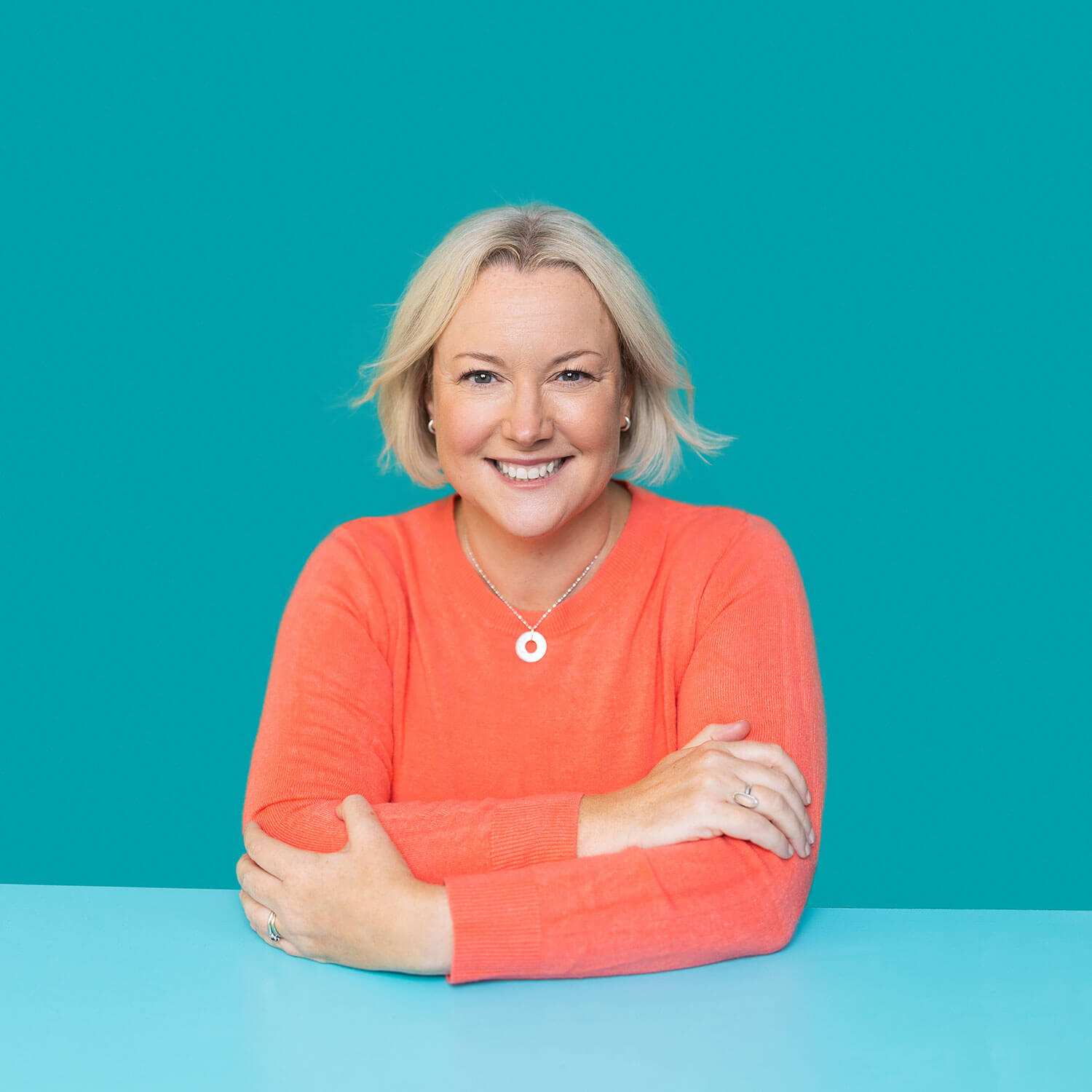
That gorgeous blouse you wore to your friend’s birthday? The one that got compliments all night? It might not translate on camera the way you’d expect.
Here’s why. A headshot is usually viewed small and fast – often on a phone screen while someone scrolls through LinkedIn or scans a company website. Your outfit has about two seconds to support your face rather than compete with it.
Clothing that looks fine in real life can collapse visually once it’s cropped to shoulders and head. The camera compresses details differently than your mirror shows them. Studio lighting behaves nothing like your bathroom bulbs. And that “flattering in person” neckline? It might land differently once the image is cropped.
The focus needs to stay on your face. That’s the focal point – the thing that builds trust and connection at first glance. Everything you wear should quietly support that, not shout over it.In simple terms: The best outfit for a headshot is one that keeps attention on your face, creates clear contrast at small sizes, and supports the message you want to communicate. If your clothing draws attention before your expression does, it’s working against you.
Start Here: What Are These Headshots Actually For?
One of the first questions I ask clients: where will these photos actually appear?
This matters more than any colour rule or neckline advice. People need headshots for different reasons – and what works brilliantly for a LinkedIn profile photo might fall flat on a speaker bio page. The outfit that pops on your website hero image could look oddly casual in a corporate team photo. You may need different looks for different platforms. Remember: every prospective client sees your headshot before they see you.
LinkedIn and Professional Profile Photos
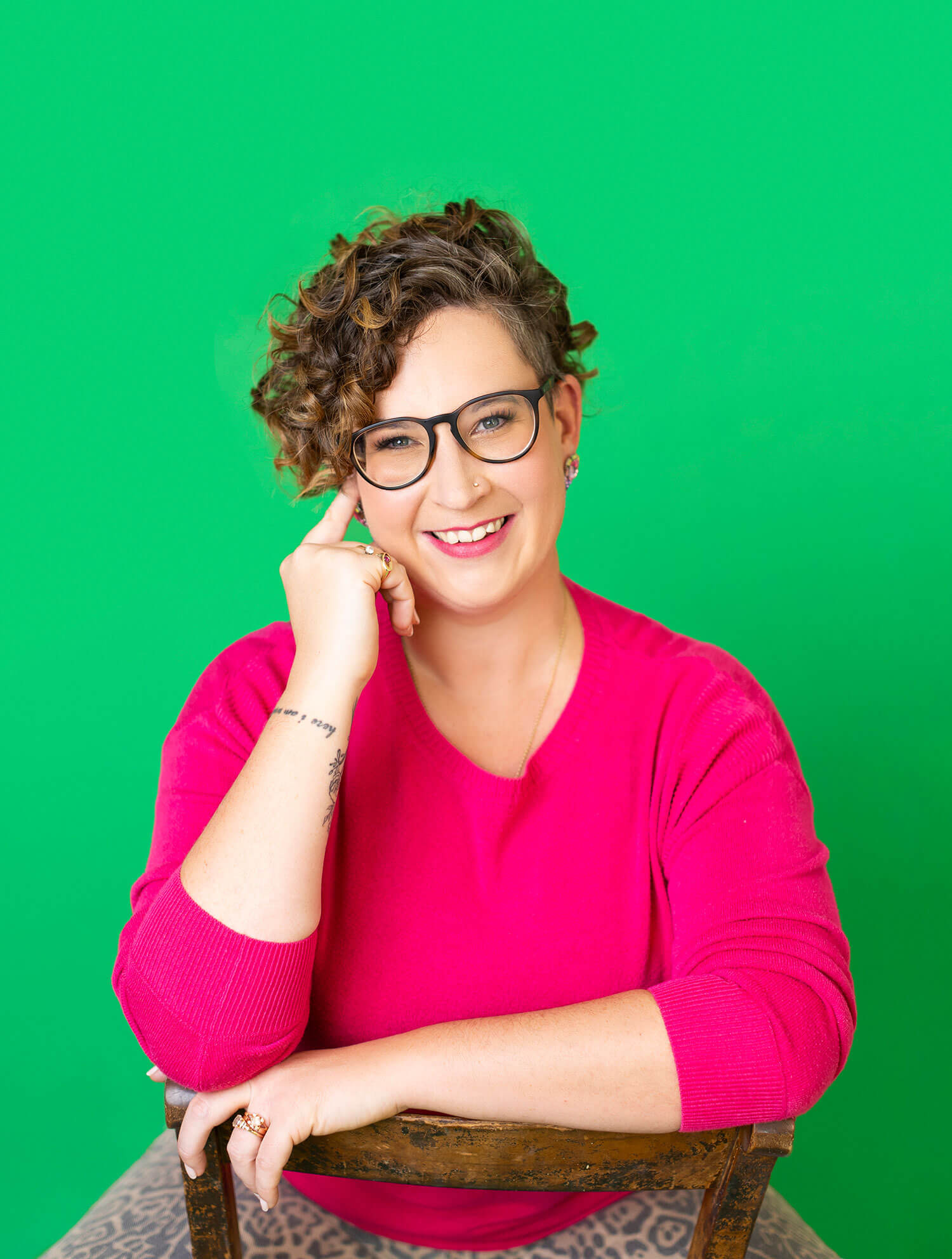
Your LinkedIn headshot is doing digital handshakes around the world while you sleep. (It’s more productive than you are at 3am, let’s be honest.) It’s your first impression – your introduction to potential clients, employers, collaborators – people who’ve never met you and are deciding in a split second whether you seem trustworthy and competent.
At thumbnail size, clarity wins. You need warmth, approachability, and enough visual contrast to stand out when someone’s scrolling past dozens of faces. A brighter colour can help you pop against the sea of grey and navy. (LinkedIn really does love a grey suit. Time to rebel.)
I once introduced two friends at a networking event. They went to connect on LinkedIn and discovered they were already connected – but neither recognised the other. Awkward silence ensued. It’s surprisingly common, and it’s usually because profile photos don’t stand out enough. Your headshot needs to pop so that when people meet you in person, they instantly think, “Oh, I know you!”
What works: Solid block colours in your brand palette. Clean necklines. Enough contrast against your background that your face doesn’t disappear.
Company Website and Online Presence
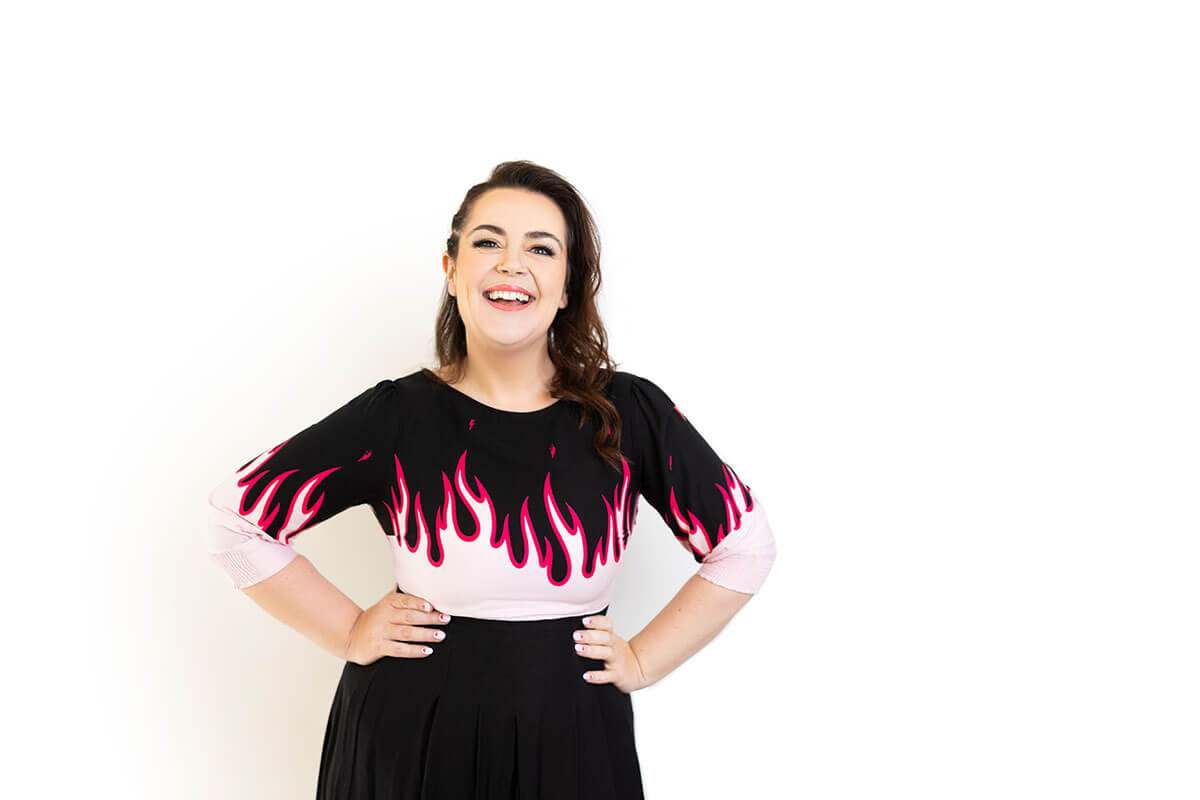
Website headshots allow slightly more personality than LinkedIn. You’ve got more pixels to play with and viewers are usually more engaged – they’ve clicked through intentionally.
This is where you can bring in brand colours more boldly, show a bit more of your environment or style, and let your outfit reflect your business personality. If you’re unsure how headshots fit into a wider image strategy, this sits within a broader approach to Personal Branding Photography: The Complete Guide.
What works: Brand colours that match your website design. Outfits that reflect how you’d dress to meet your dream client for the first time.
Speaker Bios, Press, and Media Features
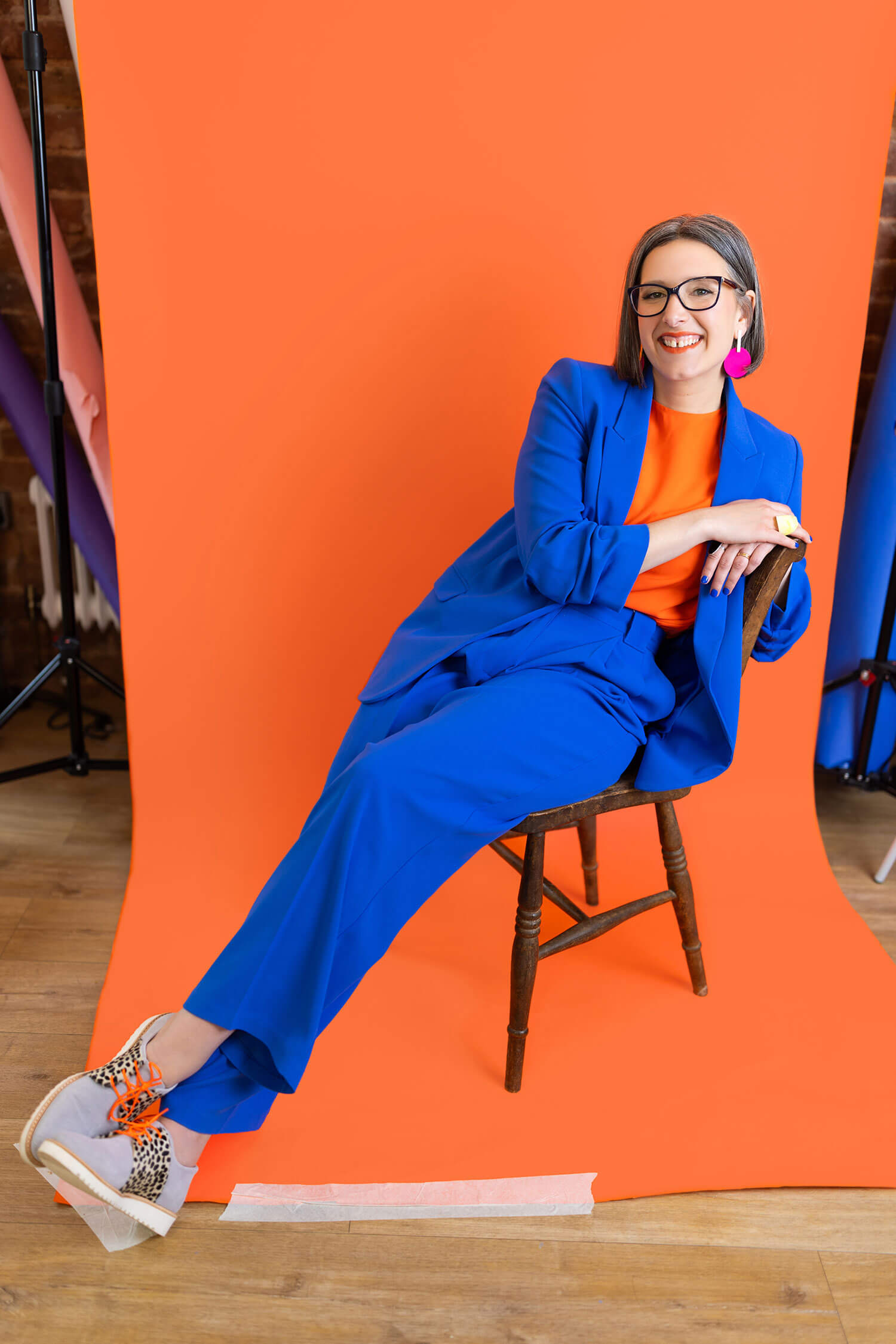
If you’re pitching for speaking gigs, appearing in press, or building authority in your field, these images need to convey credibility and expertise. They’ll often appear alongside your bio or in promotional materials.
What works: Polished, professional looks with structure. Think blazers, business suits, tailored pieces, and colours that photograph well under various lighting conditions.
The FACE Test for Headshot Outfits
This framework helps you decide what works on camera before you get dressed.
Before choosing what to wear for a headshot photo, run your outfit through this framework:
Frame – How Much of You Is Visible Once Cropped
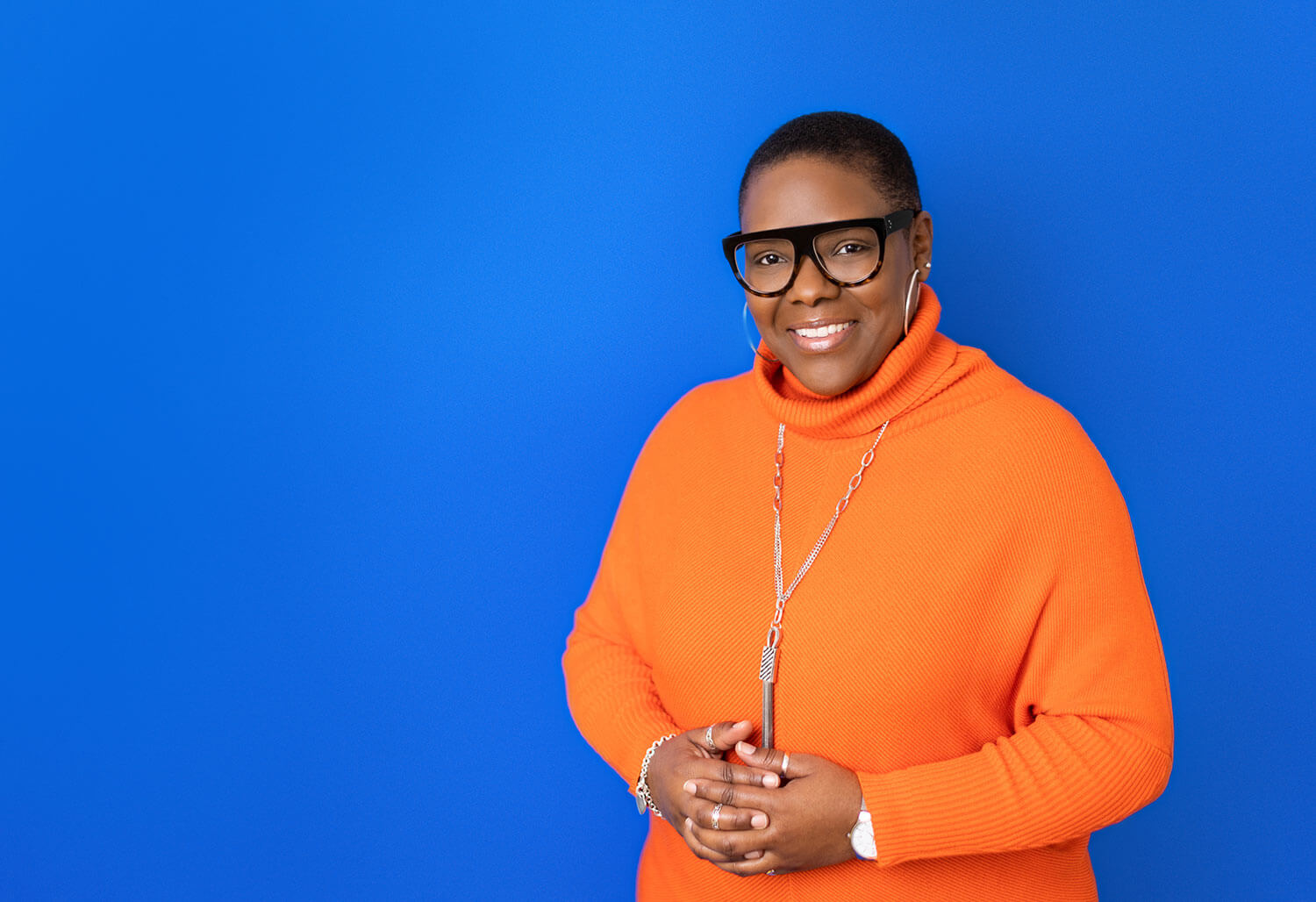
A headshot typically shows your head and shoulders, sometimes down to mid-chest. It’s not a full body photo – that means your neckline and any accessories near your face are doing most of the visual work. Everything below your ribcage? Probably won’t even appear in the final image. (Yes, you can absolutely wear pyjama bottoms. I won’t tell.)
Choose your top as if it’s the only thing that exists.
Audience – Who Needs to Trust You at First Glance
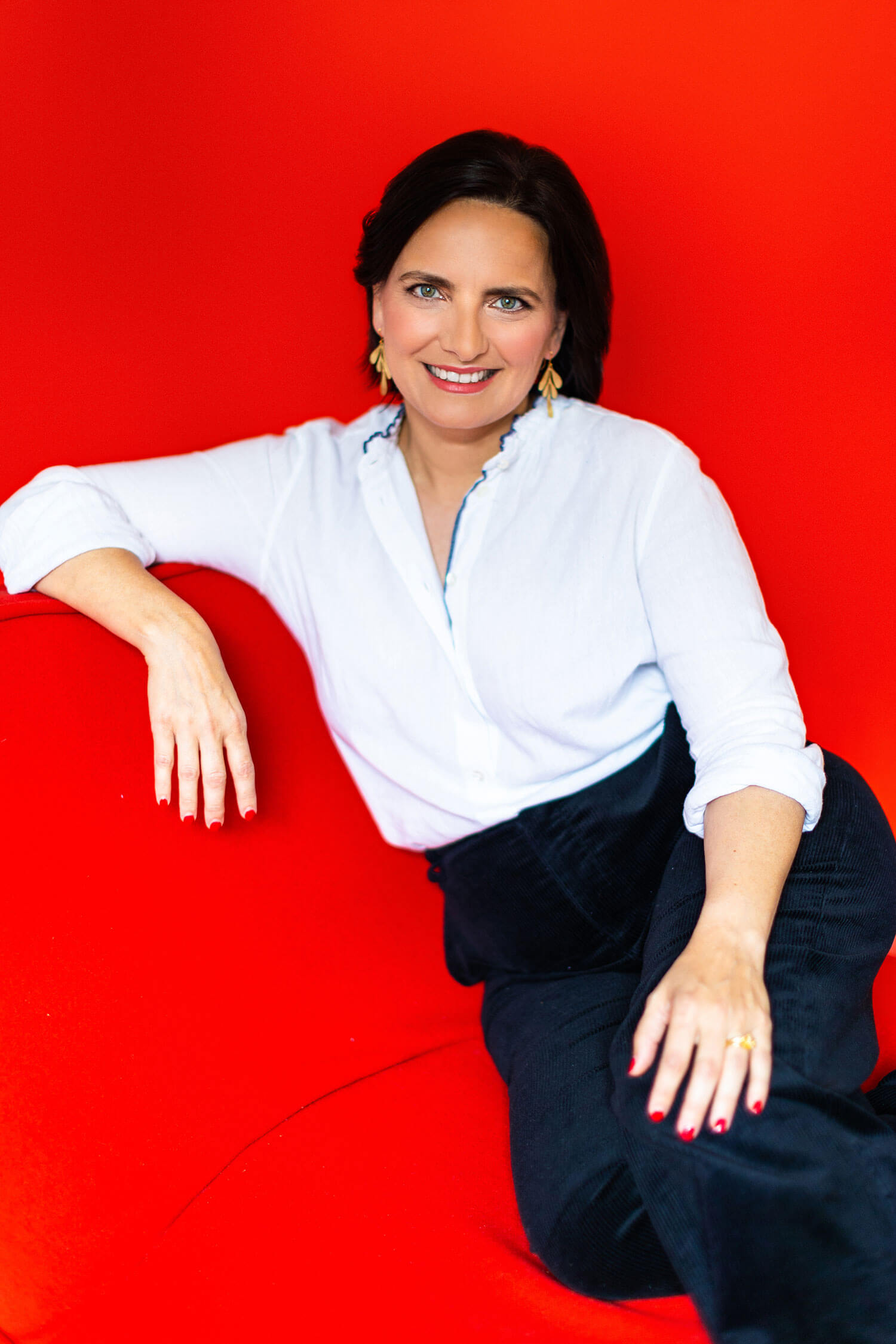
Think about your ideal client or the person you want to impress. What would make them feel confident working with you? A creative entrepreneur might need to look approachable and fun. A solicitor needs to look competent and trustworthy. A leadership coach might want warmth with authority. Your outfit should meet the professional standards your audience expects.
Your outfit sends a message before you’ve said a word.
Colour – Skin Tone, Brand Palette, and Contrast
Does this colour complement your skin tone or wash you out? Does it work with your brand colour palette? Will it create enough contrast against your background – or will you blend in and disappear?
Execution – Studio Lighting, Natural Light, and Fabric Behaviour
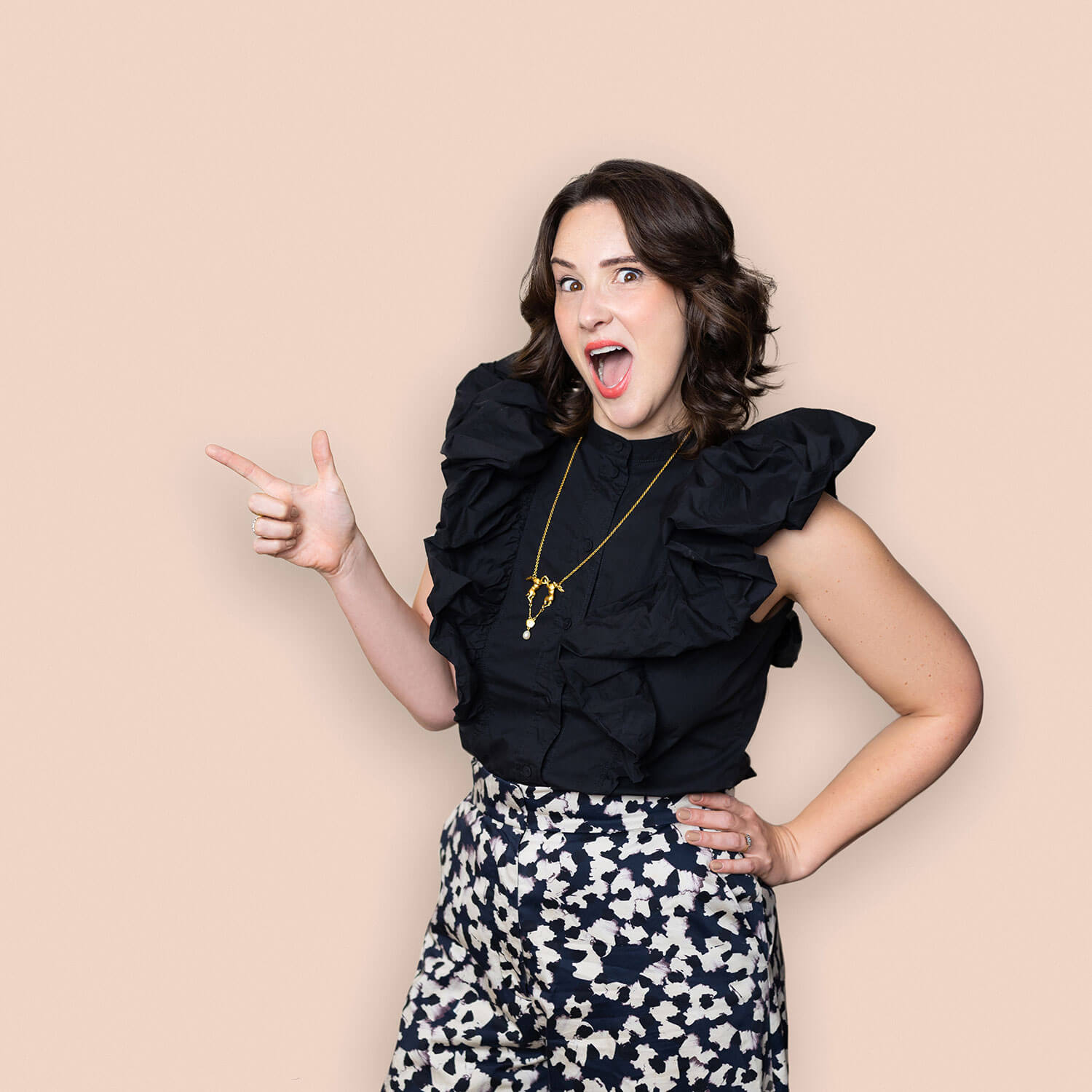
Some fabrics photograph beautifully. Others crease, shine weirdly, or lose all their texture under studio lights. Matte fabrics generally work better than shiny ones. Structure holds up better than anything too flowy or shapeless.
If an outfit passes all four parts of the FACE Test, it will almost always work in a headshot.
Best Colours to Wear for Headshots
Colour is where most people either overthink or underthink. Different types of colours serve different purposes – let’s break it down properly.
Why Solid Colours Beat Busy Patterns
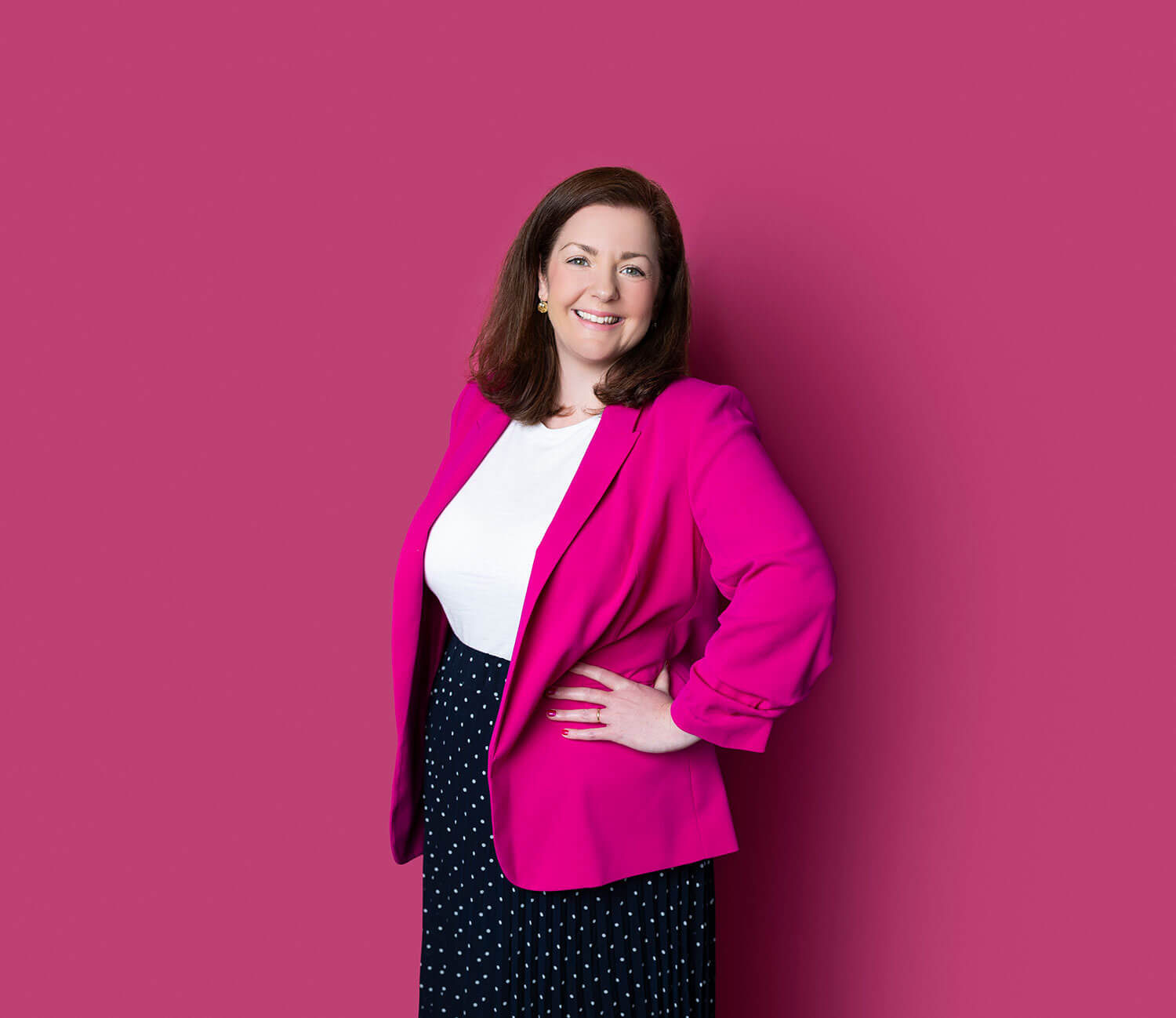
In headshots, small patterns and fine prints compress and lose clarity – especially at thumbnail size. Tight patterns and busy prints blend into visual noise, which distracts from your expression.
I see this regularly. Someone arrives wearing a gorgeous paisley blouse that looks stunning in person. But once we crop to headshot size, the pattern competes for attention. The eye gets drawn to the fabric rather than the face – which isn’t what we want.
Solid block colours stay clean, readable, and let the viewer’s eye land where it should – on your face. Chantelle confirms this from a styling perspective: “Block colours work really well – that’s what’s going to draw the eye to that certain profile.”
Best choice: Solid colours in your brand colour tones, your favourite colours or light neutrals. The first thing to remember: if a pattern feels busy in person, it’s likely to be amplified on camera.
Jewel Tones, Earth Tones, and Light Neutrals
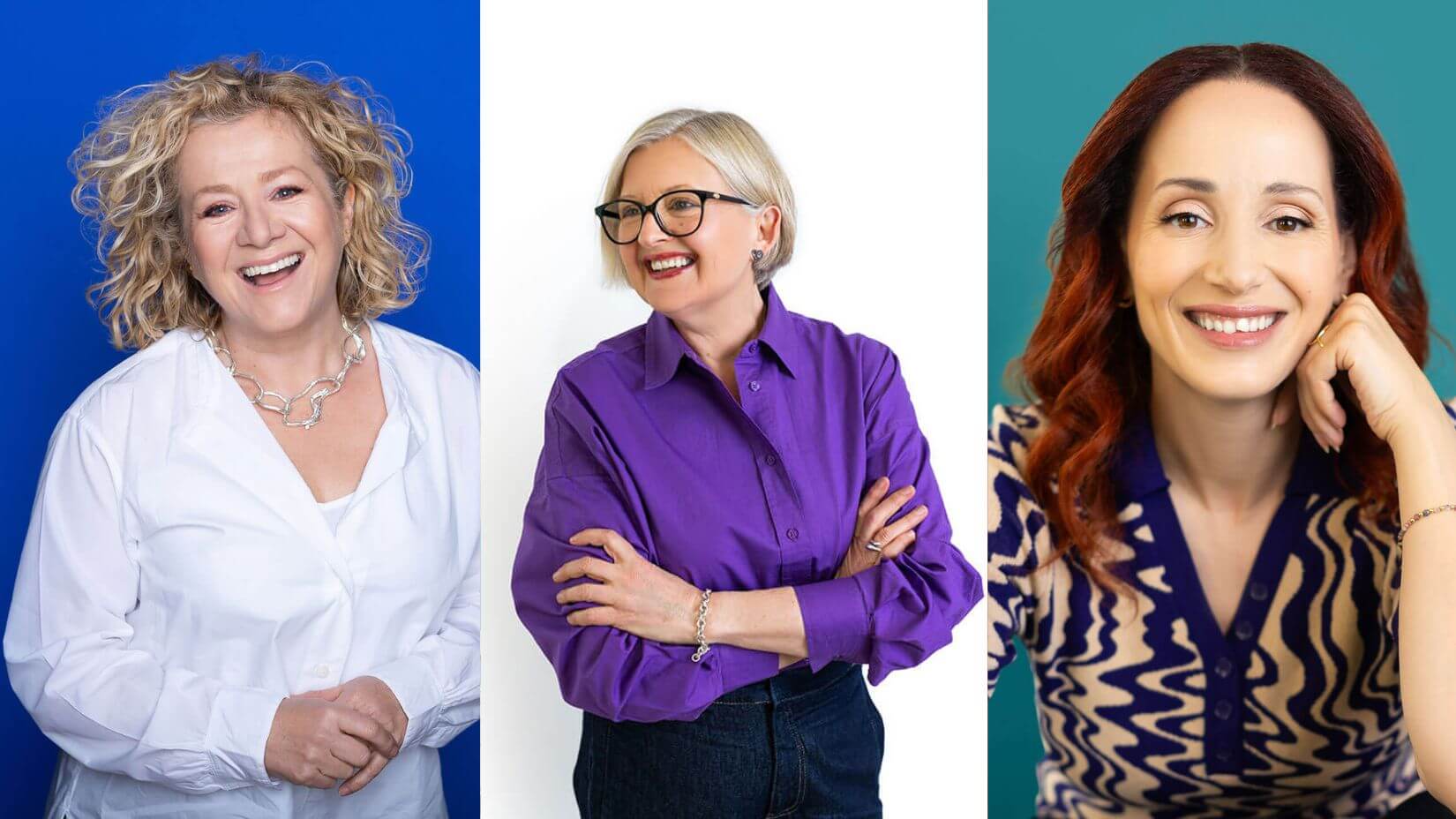
If you dont have a set of brand colours already then these colour families photograph reliably well:
Jewel tones – emerald, sapphire, ruby, amethyst. These bright colours are rich and striking without being overwhelming. (Also excellent if you want to feel like royalty. Which you should.)
Earth tones – terracotta, olive, camel, warm browns. Grounded and approachable.
Light neutrals – soft grey, cream, white. A classic look that’s always a good choice for corporate settings.
The key is matching these to your skin tone. Warmer skin tones often glow in earth tones and warm jewel colours. Cooler skin tones tend to suit blues, purples, and crisp neutrals. What works beautifully on one person may wash out another – different people need different palettes. Generally, darker colours add authority while light colours feel more approachable.
If you want help with knowing what colours suit you, you might find an online service like Color Guru helpful. They do a colour analysis based on you sending them digital photos and send you a swatch set back of colours that will look amazing on you. Use coupon code ROSIE to get 10% off any package!
Why Black, White, and Pale Colours Need Extra Thought
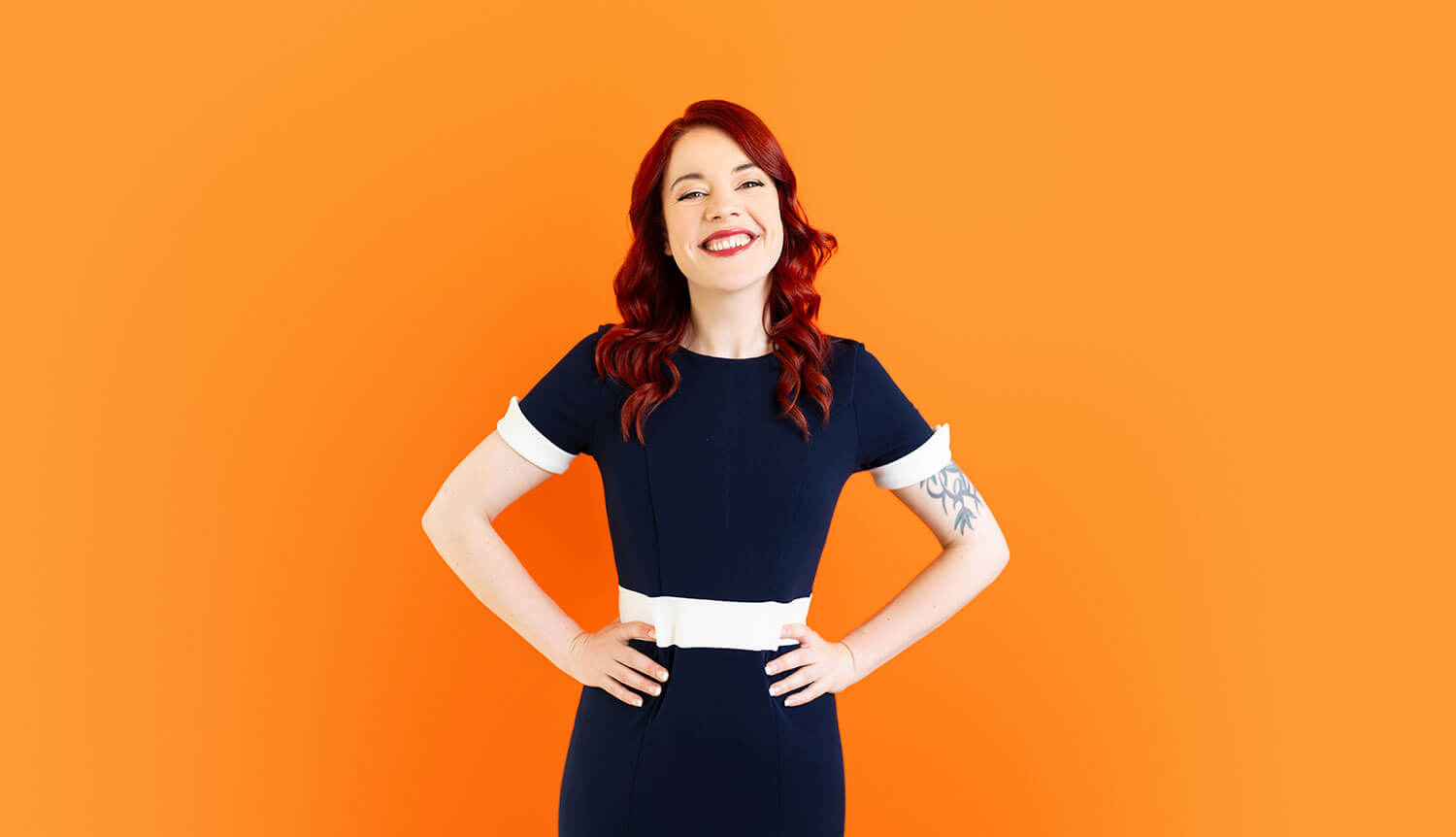
Black absorbs light and loses detail. On camera, it can read as a flat shape rather than a refined garment – the texture and structure you love in person simply doesn’t come through. It tends to merge into itself rather than showing off the cut and quality of what you’re wearing. (Your gorgeous designer blazer? The camera sees “black rectangle.” Not quite the same effect.)
White and very pale colours can blow out under studio lighting, creating harsh contrast against your skin or blending into light backgrounds. Light shades need careful handling to avoid looking washed out.
Does that mean never wear black or white? Not exactly. Black can work against a very light background with careful lighting. Any dark colour needs enough contrast to avoid disappearing. Cream works beautifully as a neutral when there’s a pop of colour in the background. But if you’re choosing a “safe” option, mid-tone colours and brand colours hold texture better and create cleaner separation.
How Background Colour and Studio Lighting Change Outfit Choice
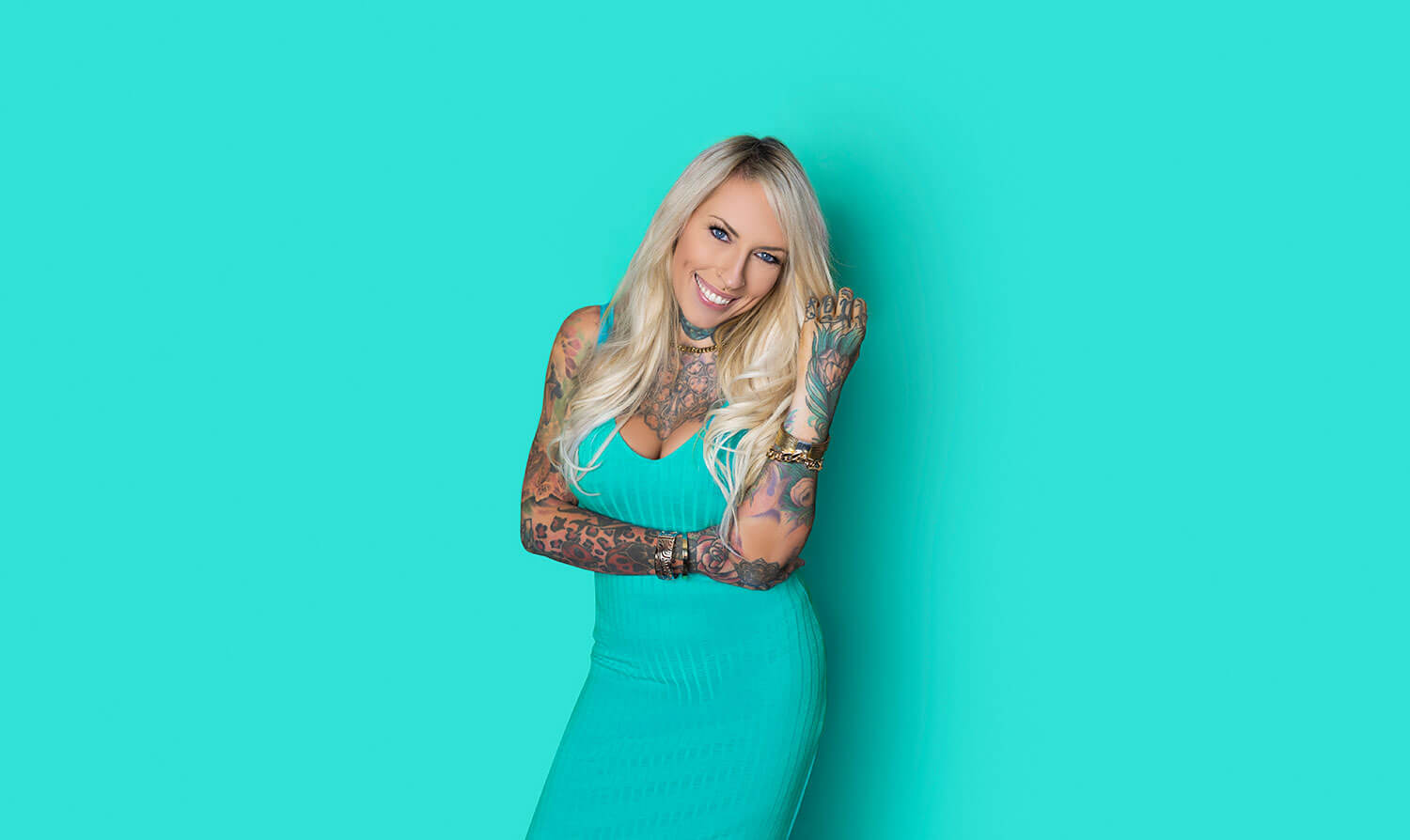
Your outfit doesn’t exist in isolation – it’s part of a system with your background and lighting.
I photographed a client, Lea Turner, wearing a blue dress against an aqua background. I edited the dress to be more aqua-toned, creating this beautiful harmonious look – soothing to the eye, but with enough tonal separation that she didn’t disappear.
The key? Your outfit and background should be slightly different tones. Either a lighter or darker version of the same colour family (harmonious), or complementary colour combinations that create contrast (eye-catching).
If your company is organising team headshots, it’s worth asking what colour background they’re using. A white shirt against a white background can lose definition, and dark blue or black clothing against a dark background may blend in more than you’d like. No one wants to look like a floating head!
Related post: Personal Branding Photography: The Complete Guide
Fit, Necklines, and Structure: What the Camera Actually Sees
This is where things get counter-intuitive.
The Fitted vs Baggy Myth
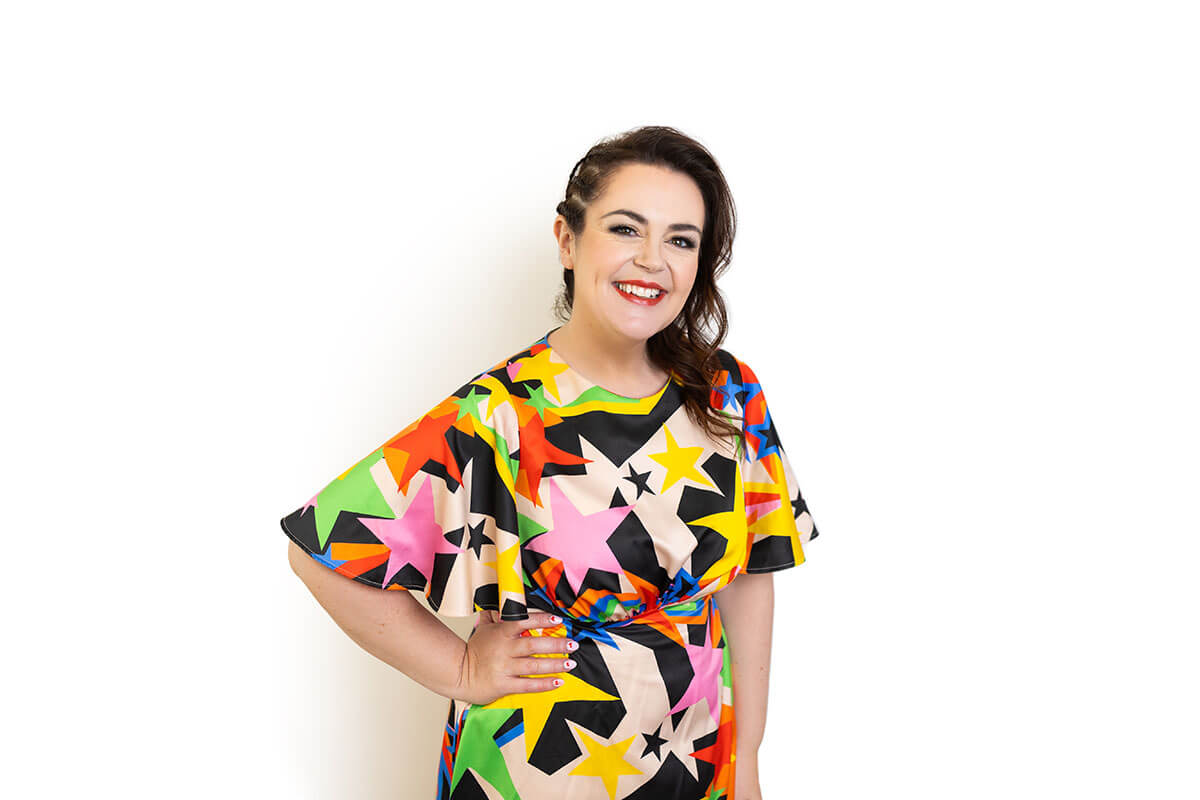
It’s completely natural to reach for looser clothing when you’re feeling self-conscious – most of us have done it. (Myself included. Many, many times.) The thinking is: “If I wear something oversized, it’ll be more forgiving.”
Here’s what I’ve learned from thousands of shoots: on camera, this often has the opposite effect.
Excess fabric can actually add visual bulk at the shoulders and neckline – the exact areas a headshot focuses on. It’s not about showing off your figure; it’s about giving the camera clean lines to work with.
I learned this myself recently. I assumed a fitted dress wouldn’t work because I’d like to lose some weight and I have a large chest. But when I wore a fitted Twisted Wunder dress for some headshots, it was actually much more flattering than a big jumper. The structure gave me shape. The fit looked intentional, not accidental.
Well-fitted clothing creates cleaner lines and photographs more confidently, even if it feels bolder when you put it on. This applies to every body type – structure flatters more than fabric that hides.
Necklines, Sleeves, and Proportions That Photograph Best
Best necklines for headshots:
- V-necks (modest depth) – elongate the neck and create a flattering frame for your face
- Round necks – clean and simple, work for most face shapes
- Collared shirts – add structure and professionalism
- Boat necks – elegant and broadening for narrower shoulders
Necklines that need a bit more thought:
- Very high necklines that might cut at an unflattering point once cropped
- Very low cuts that could shift focus away from your face
- Busy ruffles or details that might compete for attention
Sleeves: Long sleeves often photograph best because they create clean lines. Three-quarter sleeves work well too. Sleeveless can work but sometimes creates visual imbalance if the crop catches your bare shoulders awkwardly.
Collared Shirts, Modest V-Necks, and Long Sleeves
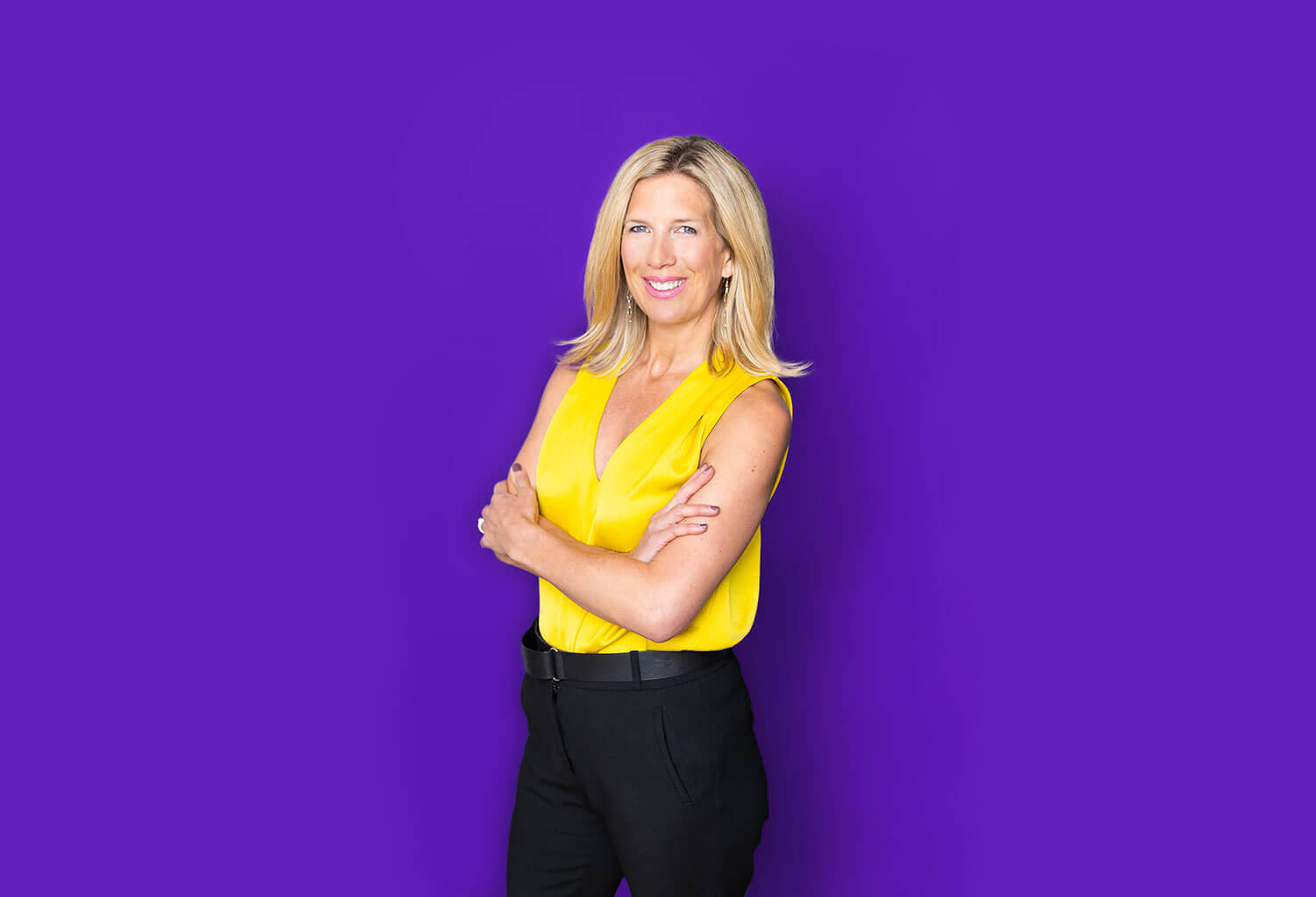
For professional headshots women often ask about what neckline to choose. Chantelle recommends a silk or satin blouse in a solid colour – “It’s timeless, feminine, polished, and professional without looking formal.” She’s right: this look photographs beautifully and suits most contexts.
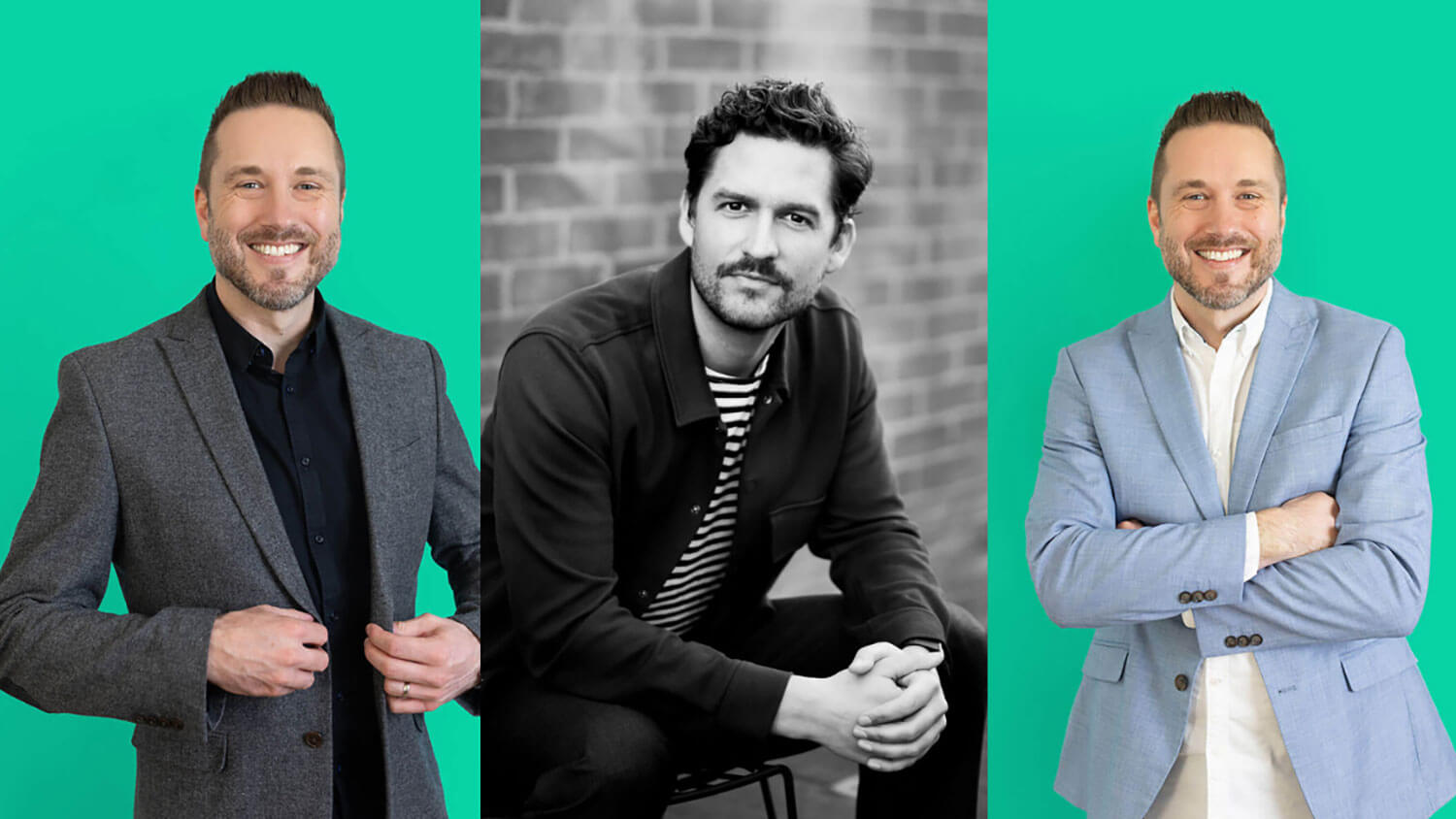
For men, solid shirts with a collar (with or without a jacket) almost always work. A classic dress shirt is reliable. Chantelle also notes that “a collar of some kind will always give off a more professional look” – even a collared knit can elevate a casual outfit. The key is matching your outfit to your context – a chunky knit jumper might be perfect for a lifestyle coach’s brand, but less so for a corporate leadership announcement.
Chantelle shared a great example of why context matters. A client had just been promoted to MD and was preparing headshots for a leadership announcement. Her instinct was a beautiful turquoise jumper she loved – but the images would appear on a black and red banner background.
As Chantelle explained: “A jumper can read as relaxed and approachable, which is lovely for some contexts. But for a leadership announcement, she needed something that said authority and polish.” Together they chose a structured blouse that still felt like her, but matched the moment. The result? She felt confident and looked the part.
Want expert guidance before your shoot? If you’d rather not navigate outfit choices alone, Chantelle offers virtual wardrobe styling sessions specifically for photoshoots. She’ll help you pull together options from your existing wardrobe (or point you toward what’s missing) so you arrive on the day knowing exactly what works – whoever your photographer is. Get in touch with Chantelle here
Think about your best self walking into a meeting with your dream client. That’s what you should wear.Think about your best self walking into a meeting with your dream client. That’s what you should wear.
Accessories, Glasses, and Small Details That Matter
Simple Jewellery vs Visual Distraction
Less is often more with headshot jewellery. A statement necklace that looks gorgeous at a dinner party can overwhelm a small thumbnail image where your face should be the focus.
What works for most people: Simple studs or small hoops. A simple necklace or delicate chain. One ring rather than a stack. Anything that enhances without competing.
What to be mindful of: Large pendants that catch light oddly. Dangling earrings that create movement blur. Anything that makes noise when you move – you’ll spend the whole shoot going “what’s that jingling?” and the answer will be you.
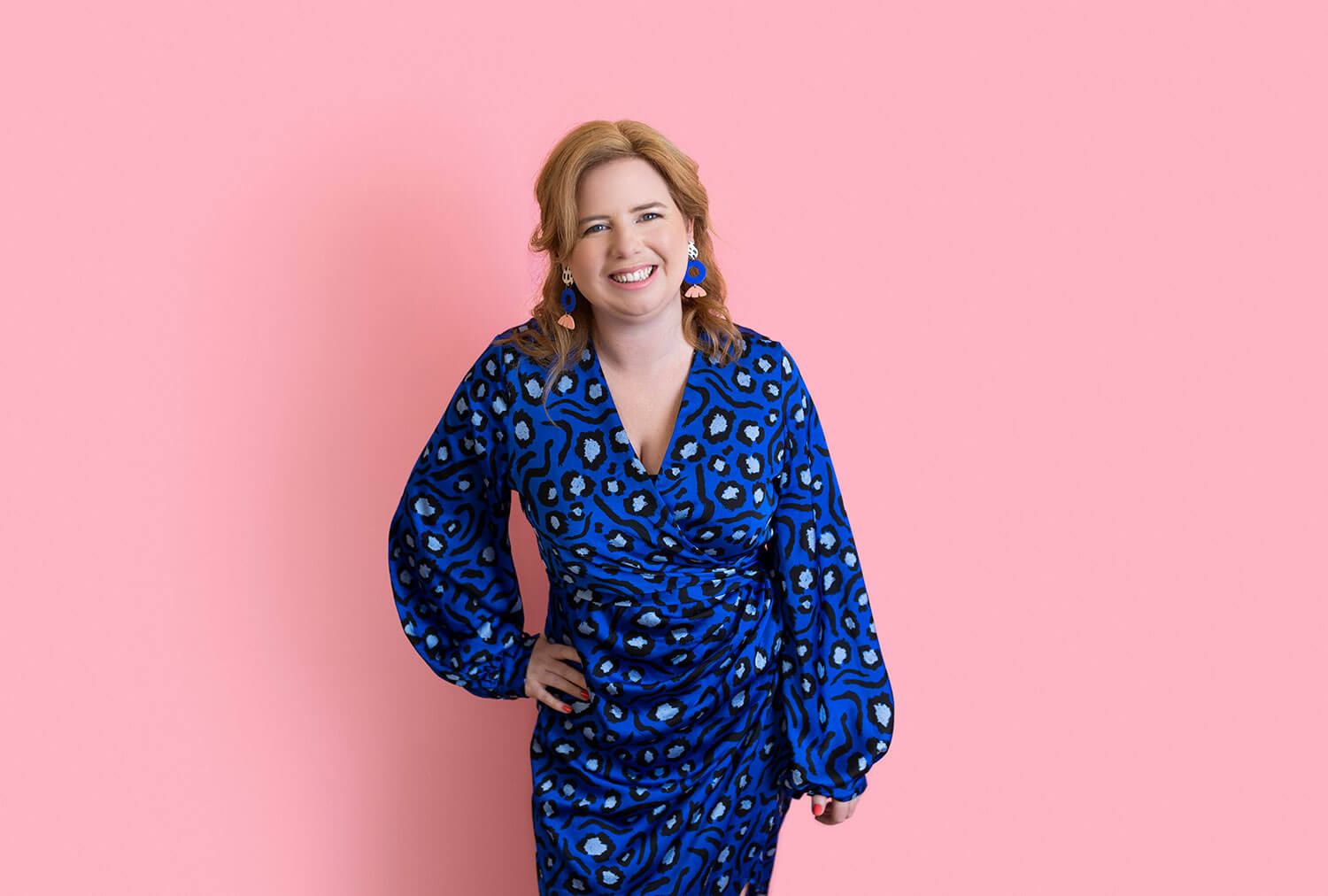
However – if you have a creative or fun personal brand then go wild!
Choose designs that match your brand colours so they fit in cohesively with your outfit and your other visual marketing. And just as I recommend for clothing, try to pick pieces with bold shapes and patterns and avoid overly detailed or delicate details that will get lost on camera.
Glasses, Recognisability, and Consistency
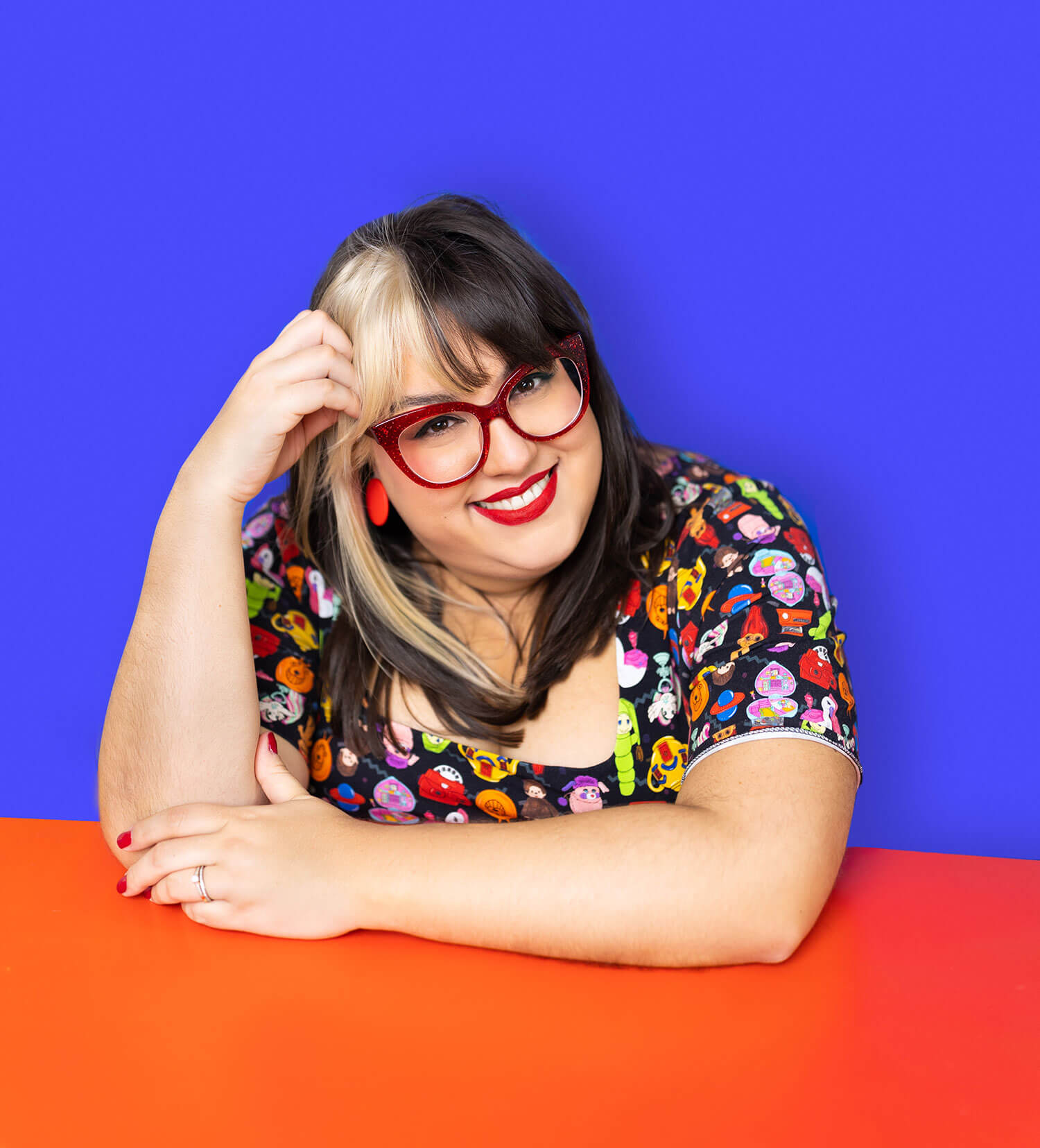
If you normally wear glasses, wear them in your headshot. People need to recognise you when they meet you in person.
But glasses come with considerations – and this is where Chantelle’s styling expertise is invaluable:
Your frames are part of the picture. As Chantelle explains: “Glasses are such a visible part of your face in a headshot – they’re worth getting right.” If your frames feel a bit dated or don’t quite suit your face shape, it might be worth updating them before your shoot. It’s a small change that can make a real difference.
Face shape matters for frame choice. Chantelle’s rule of thumb: contrast your face shape with your frames. Angular face? Go for rounder styles. Rounder face? More angular frames work better. And consider stepping outside the default black or navy – a neutral that suits your colouring can look more modern while still being timeless.
Reflections are manageable. Turn your head slightly away from the light source. Move your chin up or down. Most editing software can remove minor reflections, but if the glare covers your actual eye, the result might not look like you.
The ultimate solution: Non-reflective coating on your next pair of glasses. It makes a huge difference in photos.Pro tip: Take some shots with glasses and some without, so you have options.
Logos, Prints, and Keeping the Focus on You
Visible logos can inadvertently draw attention away from your face – and toward someone else’s brand. Unless you’re getting paid for it (in which case, carry on), it’s usually best to keep logos out of frame.
The same goes for slogans, text, or graphics on clothing. They can distract from your expression and may date the image faster than you’d expect. That hilarious slogan tee from 2019? Perhaps save it for weekends.
What to Be Mindful of in Headshots
Here are some common things that don’t always translate well on camera:
Busy patterns – They can become visual noise at thumbnail size. Solid colours are usually a safer bet.
Black (in most cases) – Can lose detail and definition. There are exceptions with the right lighting and background, but it’s worth considering alternatives.
Very pale colours – Can blow out under lighting or disappear against light backgrounds.
Very casual pieces – A favourite hoodie or slouchy jumper might not match the professional message you’re aiming for. (Unless that relaxed vibe genuinely is your brand – then go for it!)
Anything uncomfortable – If you’re tugging, adjusting, or feeling self-conscious, it tends to show in your expression.
Shiny fabrics – Can catch light unpredictably and create distracting hotspots.
Clothes that don’t quite fit – Too tight can pinch and pull. Too loose can add bulk. Well-fitted is the sweet spot.
How to Look Slimmer and More Confident in a Headshot
I’m going to say something that might surprise you.
Your potential clients don’t care how slim you look.
I know. After 18 years of photographing business owners, I can tell you: clients see you through a completely different lens. They want to feel you look professional, approachable, competent – basically that you align with everything else your brand says about you. That’s why they pick you.
If you look uncomfortable or appear in a corporate blazer when your brand is all about being casual and relaxed, that mismatch will put them off. Your actual weight? Not what they’re evaluating.
In fact, sometimes our weight can make us look more relatable and approachable. Focusing too much on looking thinner can distract from what actually matters in a headshot.
What actually makes you look confident in photos:
- Posture – Stand tall, shoulders back, chin slightly forward and down
- Fitted clothing – Gives you shape and intention
- Colours that work with your skin tone – Make you look healthy and vibrant
- Genuine expression – Confidence reads visually, and feeling comfortable in what you’re wearing helps that shine through.
What helps with angles:
- Turn your body 45 degrees from the camera, then turn your head back toward it
- Elongate your neck slightly
- Relax your shoulders (they creep up when you’re nervous – mine practically touch my ears if I’m not careful)
The goal isn’t to look like someone else. It’s to look like the best, most confident version of you.
Testing Your Outfit Before a Professional Photo Shoot
Why Test Shots Reveal What Mirrors Don’t
Your mirror doesn’t tell the whole story. It shows you a version of yourself that doesn’t quite match how a camera captures you. (Also, bathroom lighting is notoriously deceitful. It’s been lying to all of us for years.) Testing outfits before a professional headshot session can save you from surprises on the day – it’s a great way to build confidence before you arrive.
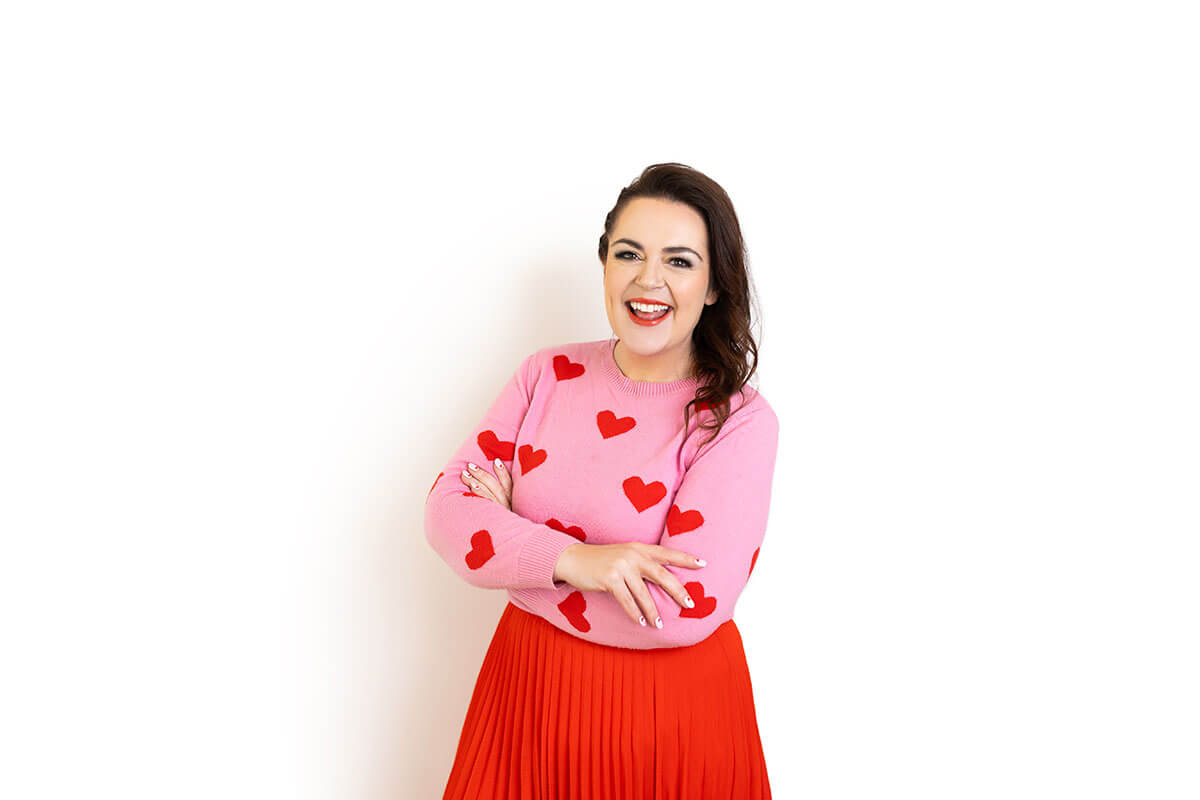
I learned this looking back at photos from the same week – one in a pink and red heart dress, one in a blue and lilac dress. The difference was stark. The pink dress really sings. It feels magnetic, like the photo version of me that feels most true. The blue one? Nice, but not wow.
I wouldn’t have known that without the photos. You can’t tell from a mirror.
Studio Lighting vs Natural Light at Home
If you’re testing outfits at home, stand near a window with natural light falling on your face. Set your phone camera to selfie mode, prop it up (tripod or stack of books), and step back to get a proper headshot crop.
This won’t perfectly replicate studio conditions, but it’s much more accurate than your bathroom mirror. (And of course, a professional shoot often includes a makeup artist to help you look your best – another reason the final results differ from home tests.)
When DIY Testing Works and When It Doesn’t
For a quick sense of which colours and necklines work on camera, DIY testing is brilliant. But nothing replaces working with a professional photographer who can guide you through what actually works.
For professional photos – how fabric behaves under professional lighting, how backgrounds interact with your outfit, how you look when you’re relaxed and properly posed – you need a real test run. It’s a good idea to do this before any photo session. That’s why I show clients how photos are looking as we shoot. If something isn’t working, we stop and swap into different outfits rather than spending hours on content they won’t even like.
And when they can see that they look good? Their confidence lifts, which makes the remaining photos even better. (Pro tip: bring your outfit options in a garment bag to keep them crease-free.)
Related post: Business Photoshoot Tips for Professional Headshots
Want to Feel Confident in Front of the Camera, Not Just Dressed for It?
Knowing what to wear is only part of the equation. The other part? Actually feeling confident when that camera is pointing at you.
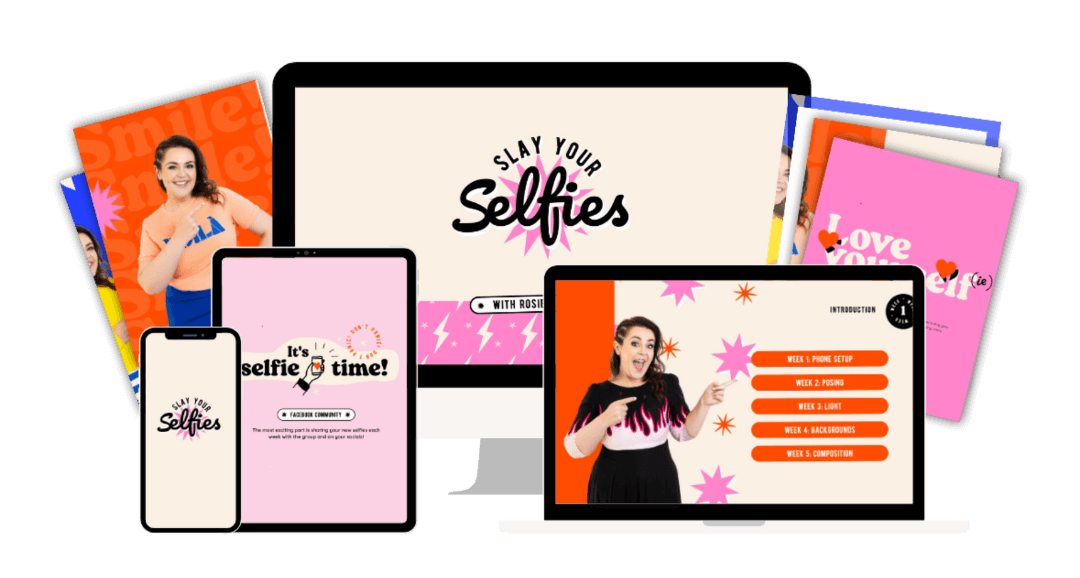
If you want to learn how to take professional-looking brand photos yourself – with just your phone and natural light – my course Slay Your Selfies teaches you exactly that. Posing, lighting, composition, and how to actually like how you look in photos.
One of my students got her profile picture featured in Forbes as an example of a great headshot. Taken on her phone. After the course. (I’m still dining out on that one, to be fair.)
Learn more about Slay Your Selfies
How Headshot Outfits Fit Into Your Personal Brand
Your headshot doesn’t exist in isolation. It’s one piece of your wider personal brand – and ideally, everything should feel cohesive. What you wear plays a significant role in how people perceive you before they’ve read a single word.
That means your headshot outfit choices should connect to the colours, energy, and personality across your website, social media, marketing materials, and how you show up in person. Your personal style should shine through consistently, reinforcing your brand identity at every touchpoint.
If your brand is warm, colourful, and playful – dress that way for your headshot. If it’s calm, professional, and minimal – reflect that too.
The goal is recognition and consistency. When someone sees your headshot, browses your website, then meets you at a networking event, they should think: “Yes, this is exactly who I expected.”
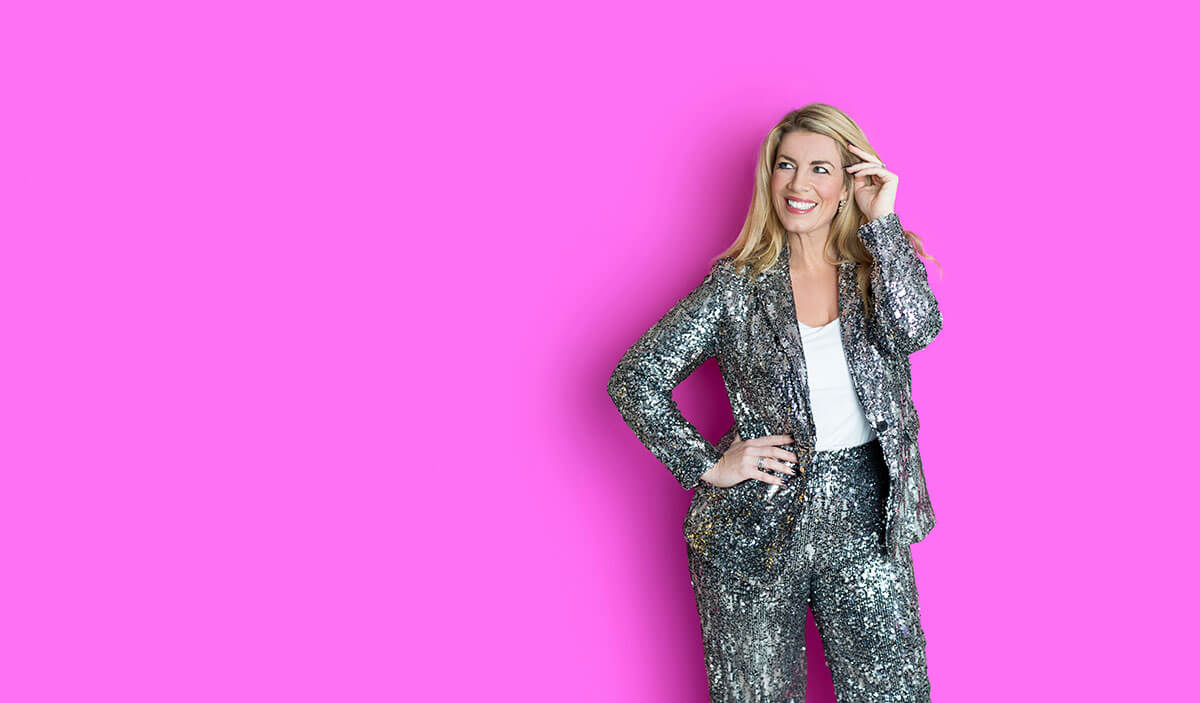
For a real example of how this works in practice, see my blog post on Laura Brunton’s Headshots Case Study and get a front row seat to see how epic a silver sequinned suit can look for business headshots! Love it!
Frequently Asked Questions About What to Wear for Headshots
If you have your own business, start by looking at your brand colours. Weaving these into your headshots will help your marketing materials look cohesive across all channels.
If you don’t have a brand colour palette then jewel tones (emerald, sapphire, ruby) and earth tones (terracotta, olive, camel) photograph reliably well for most skin tones.
Solid colours work better than patterns. Choose something that complements your skin and creates contrast against your background.
Wear what you’d wear to meet your dream client for the first time. Something polished and well-fitted that reflects your professional role. For most people, that means a solid-coloured top with clean neckline – blazer optional depending on your industry.
Both can work, but they need more thought than mid-tones. Black absorbs light and can lose detail. White can blow out or disappear against light backgrounds. If you love wearing black or white, just make sure there’s strong contrast with your background – or consider jewel tones and mid-tones as alternatives that tend to photograph more reliably.
Large patterns (bold stripes, polka dots) can work. Small or busy patterns (paisley, fine checks) compress at thumbnail size and become distracting. When in doubt, solid block colours are safer.
Modest V-necks and round necks are reliably flattering. They elongate the neck and frame the face cleanly. Collared shirts add structure. Very high necklines can sometimes cut at an awkward point once cropped, and very low cuts may shift focus from your face – so mid-range necklines tend to work best.
If you normally wear glasses, yes – people need to recognise you. Make sure your frames are current and flattering. Non-reflective coating helps enormously. Take some shots with and without so you have options – it’s a personal choice, but consistency with how people see you day-to-day matters.
A well-fitted blouse or top in a solid colour works for most contexts. As Chantelle advises, silk or satin in jewel tones is elegant without being formal. A blazer adds authority when needed. The key is structure, fit, and colours that complement your skin tone.
Fitted clothing (not baggy), good posture, and turning your body 45 degrees from camera all help. But honestly? Your clients care more about whether you look professional and approachable than whether you look slim. They’re not hiring your cheekbones. Confidence photographs better than self-consciousness, every time.
Busy patterns, visible logos, very pale colours, and shiny fabrics can all be tricky on camera. Comfort matters too – when you feel at ease in what you’re wearing, it comes through in your expression. Most importantly, choose something that matches the message you want your headshot to send. (Note: acting headshots follow different conventions – this guide focuses on business and professional contexts.)
Final Takeaway: Dress for the Message, Not the Mirror
Most headshot advice misses the point because it treats clothing as a style problem when it’s actually a communication problem. (Also, the internet is very confident about “rules” that don’t actually exist. Never let a stranger on the internet tell you that you can’t wear patterns. You absolutely can. Just… maybe not tiny checks.)
The best headshot outfits aren’t chosen based on what looks nice on a hanger or what got compliments at a party. They’re chosen based on where the image will appear, who needs to trust you when they see it, and what you want that viewer to feel.
Run your outfit through the FACE Test:
- Frame – Will this look good cropped to head and shoulders?
- Audience – Does this reflect what my ideal client needs to see?
- Colour – Does this complement my skin and create contrast with my background?
- Execution – Will this photograph cleanly under proper lighting?
Get those right, and you’ll have a headshot that genuinely works for you.
One final tip: If you’re working with a professional headshot photographer, don’t be afraid to ask what background they’ll be using. Good photographers will happily advise on outfit choices once they’ve planned the setup.
Ready to feel confident in front of the camera?
If you want to learn how to take professional-looking brand photos yourself – with just your phone and natural light – Slay Your Selfies teaches you exactly that. Posing, lighting, composition, and how to actually like how you look in photos.
Looking for a full professional shoot instead? Get in touch about brand photography sessions.
With thanks to Chantelle Znideric, personal stylist, for contributing her expertise to this guide. Chantelle has nearly 20 years of experience helping professionals dress with confidence.