How to Pose for Photos: Tips to Look Good in Pictures

Learning how to pose for photos shouldn’t feel worse than the annual visit to the dentist – but let’s be honest, the moment someone points a camera at you, something weird happens. Your arms suddenly feel like they belong to someone else. Your smile goes from “friendly human” to “hostage situation.” And don’t even get me started on what your hands decide to do.
The good news is that being good at posing isn’t about becoming someone else or mastering complicated model moves. It’s about understanding a few simple tricks that make a big difference—the kind of insider knowledge that portrait photographers use every day.
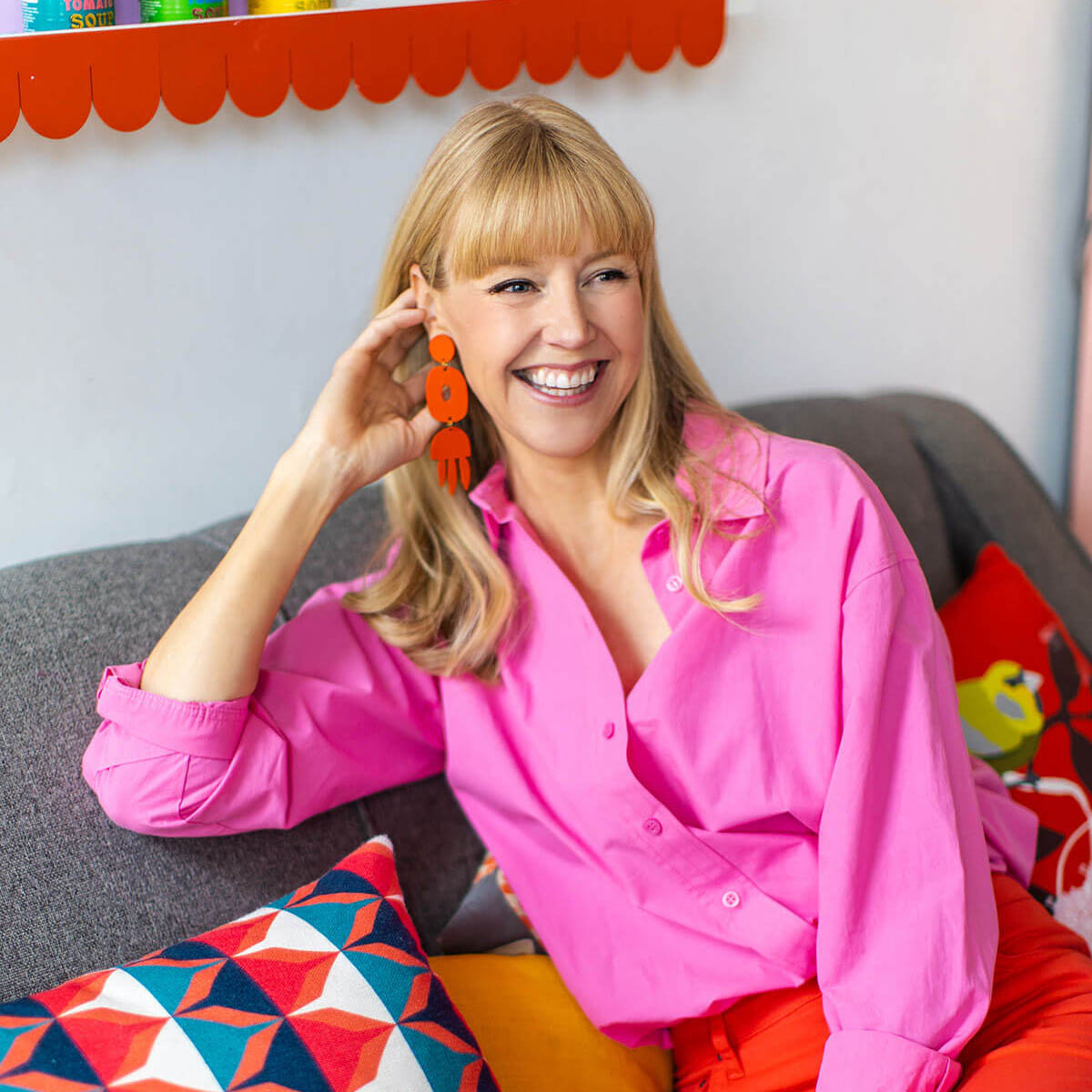
After 18 years as a professional photographer working with everyone from nervous first-timers to celebrities (yep, they feel awkward too!), I’ve discovered that looking natural and confident comes down to small adjustments anyone can learn. Whether you’re preparing for professional headshots, want better photos for your business, or simply want to stop dreading group photos at family gatherings, this guide has you covered.
This post may contain affiliate links. This means I may earn a small commission at no extra cost to you.
Jump to standing poses • Sitting poses • Selfies • Instagram poses
In this guide you’ll learn:
- Simple posing tricks that make an instant difference
- How to look natural, confident and relaxed in front of the camera
- The most flattering standing, sitting and leaning poses
- How to pose for brand photos, selfies and Instagram
- Common mistakes that ruin photos and how to fix them
Quick Posing Tips You Can Use Right Now
Before we dive deep, here are some simple tips you can use immediately—the kind of quick wins that make you look better in every photo starting today:
1. Put your weight on your back leg. This creates a slight angle and instantly makes you look slimmer and more relaxed. It’s my go-to move for every single photo I take.
2. Drop your shoulders. Take a deep breath, exhale, and let your shoulders fall. Raised shoulders scream “I’m terrified” even when you’re smiling.
3. Lean your torso slightly towards the camera. Just a little bit—not enough to be noticeable, but enough to make your eyes appear larger and more engaging. It makes you look interested in the viewer.
4. Create space between your arms and body. Whether it’s hands on hips or just a slight bend in the elbow, a little gap prevents the dreaded “sausage arm” effect.
5. Relax your hands. Pretend you’re holding something delicate (not gripping on for dear life). More on this later—it’s a bigger issue than you’d think.
6. Think of your favourite person. Just before the photo, imagine someone you absolutely adore is behind the camera. Your expression will instantly become warmer and more genuine.
7. Push your chin slightly forward and down. This simple trick elongates your neck and helps avoid a double chin. It feels bizarre but looks brilliant.
8. Turn your body 45 degrees from the camera. A slight angle is infinitely more flattering than facing the camera dead-on. It creates interesting angles and a slimmer silhouette.
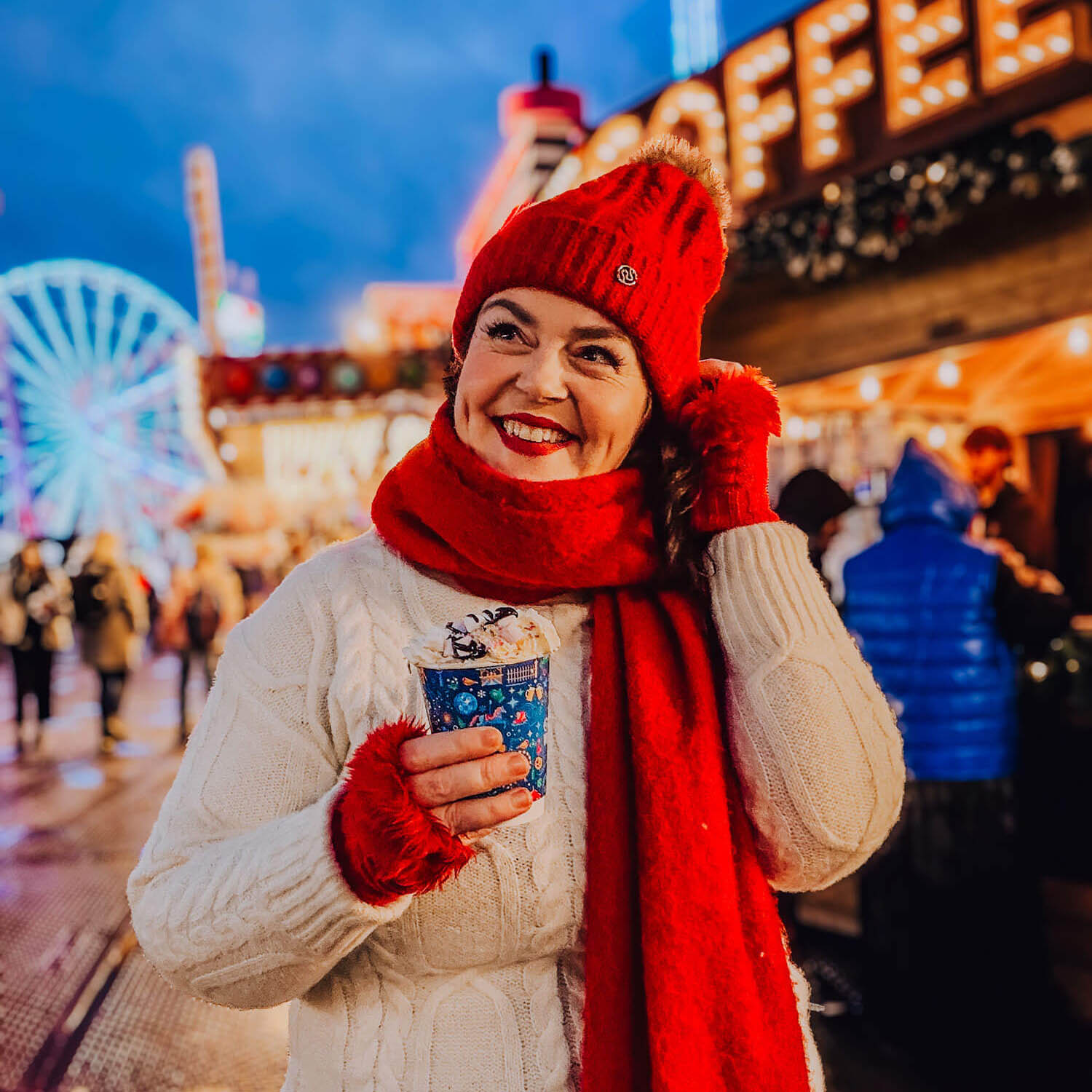
9. Give yourself something to do. Lean on a wall, hold a coffee cup, adjust your sleeve. Props and actions create candid poses that feel natural.
10. Take a variety of shots. Don’t expect to nail it in one. Professional models take hundreds of photos—you’re allowed to take more than three.
11. Tilt your head slightly. Straight-on head placement can look stiff. A gentle tilt adds warmth and personality to your expression.
Why Posing Feels Uncomfortable (And Why It’s Not Your Fault)
If you’ve ever felt like a complete numpty the moment a camera appears, congratulations—you’re completely normal. I’ve photographed hundreds of women for their brand photos, and the number one thing I hear is “I’m just not photogenic.” Usually followed by a story about something someone said to them years ago.
Everybody has their personal hangups. Something said at school about your nose, your teeth, your smile—these comments lodge themselves in our brains and pop up uninvited every time we see a lens. The funny thing is, I’ve photographed really confident women—successful businesswomen who are confident on stage—but put them in front of a camera and you see vulnerability. Suddenly you’re overthinking every single move.
I know this feeling intimately. Years ago, I was being filmed for a TV programme, and they were filming me cooking dinner. I suddenly felt incredibly self-conscious chopping an onion. An onion! I remember thinking, “Is everyone going to judge me for the way I chop an onion?” Absolutely bonkers.
Here’s the truth: nobody naturally knows how to pose. Nobody. I’ve photographed celebrities who’ve said, “I’m not doing that pose—it’s going to look terrible.” And then they’re thrilled with the result. Even professional models need direction. The difference is they’ve had more practice.
The biggest myth? That you’re either born photogenic or you’re not. Different cameras, different photographers, different lenses, and different angles all capture you in different ways. A photo you hate might just mean it wasn’t the right angle, not that you’re inherently unphotogenic.
Core Principles That Make Every Pose Look Better
Before we get into specific poses, let’s cover the fundamental principles that make the difference between “delete immediately” and “actually, I look quite nice there.”
Releasing Tension
Tension is the enemy of a great photo. I often see it hiding in shoulders (raised up towards the ears) and hands (gripping onto things like you’re on a roller coaster). Before any photo, take a deep breath, roll your shoulders back and down, and consciously relax your hands. If your hands are gripping onto your leg or the chair for dear life, it’s a real giveaway that you’re not comfortable—and that discomfort will jump out at anyone looking at the photo.
Good Posture (But Not Too Good)
Good posture matters, but there’s a balance. You don’t want to slouch, but you also don’t want to sit so upright that you look like you’re at a Victorian deportment class. The goal is “confident and relaxed,” not “broomstick inserted.” Imagine a string pulling you gently upward from the crown of your head, but your shoulders and arms stay soft.
Weight Shifting and the Back Leg Rule
This is my favourite way to instantly improve any standing pose. Put most of your weight on your back foot, with your front leg slightly bent. This creates a natural S-curve in your body, makes your legs look longer, and gives you a more relaxed look.
When you stand with weight equally on both feet, facing the camera straight-on, you look wider and more rigid. The back leg trick solves both problems in one simple adjustment.
The Power of a Slight Angle
Very few people look their best facing the camera dead-on. A slight angle—turning your body about 45 degrees—creates interesting angles, defines your waist, and gives the photo more dimension. Keep the camera at eye level or slightly above for the most flattering perspective. This is one of those simple adjustments that portrait photographers make instinctively, and now you can too.
What to Do With Your Hands and Limbs
Ah, hands. The eternal posing dilemma. Where do they go? What do they do? Why do they suddenly feel like giant alien appendages?
The key is to give your hands a job. Rest them on your hip, in your pockets (thumbs out looks best), on a table, holding a prop, or gently touching your face or hair. Bent elbows look more natural than straight arms. And whatever you do, keep them relaxed—no claw hands, no white-knuckle gripping.
For all limbs, remember: a slight bend creates a more relaxed look and helps you avoid the stiff, usual standing poses most people default to. Locked, straight limbs look stiff. A slight bend in knees, elbows, and wrists creates a much more natural, elegant line.
Expression and a Sense of Playfulness
A genuine facial expression beats a technically perfect pose every time. And the secret to genuine expressions? Actually feeling something genuine. Shocker!
Think about your favourite person in the world. Imagine they’re standing behind the camera and you’re trying to communicate how much you like them. This works brilliantly—I use it with clients all the time. Sometimes it’s their partner, sometimes it’s Idris Elba (no judgement). The point is, that warmth and connection shows in your eyes.
A sense of playfulness helps too. Photography should be fun, not like you’re going to the dentist! If you can find the humour in feeling awkward, that authentic laugh or smile will be worth more than any technically perfect pose.
How to Look Natural in Photos
This is the million-dollar question, isn’t it? How do you look natural when you feel anything but?
My fave tip? Use music. Put on your favourite upbeat ‘I’m going out tonight’ playlist. The energy of good music genuinely translates into better photos and takes your mind off being photographed.
Engage with the photographer. If someone else is taking your photo, chat with them. Banter. The more you’re focused on the interaction rather than the camera, the more natural you’ll look. If you’re taking self-portraits, give yourself encouraging feedback out loud.
Use prompts. One of my favourite tricks is asking someone to imagine their favourite person in the world is behind the camera. Sometimes it’s their husband, sometimes it’s Idris Elba (no judgement). The genuine laughter that follows? That’s when I get the best shots.
Move between poses. Static posing looks static. The in-between moments often produce the most natural candid poses.
See yourself as you go. If you’re doing self-portraits, being able to see yourself is incredibly helpful. This is one of the reasons self-portraits can actually be easier—you’re in control.
Beginner-Friendly Standing Poses: How to Pose for Photos with Confidence
Standing poses can feel the most exposed, but once you know a few go-to poses, they become much easier:
The Classic Hip Pop: Weight on back leg, front knee slightly bent, hand on hip. Creates curves and gives your hands something to do. It’s one of the classic poses for a reason—it works on almost everyone.
The Casual Lean: Lean one shoulder against a wall or doorframe, cross your ankles loosely. An easy way to look confident without feeling exposed.
The Walk: Walk slowly towards the camera. Movement creates natural, candid-looking shots. Harder to overthink when you’re in motion.
The Pocket Pose: Hands in pockets with thumbs out. Weight on back foot, slight angle. Simple but effective for a confident appearance.
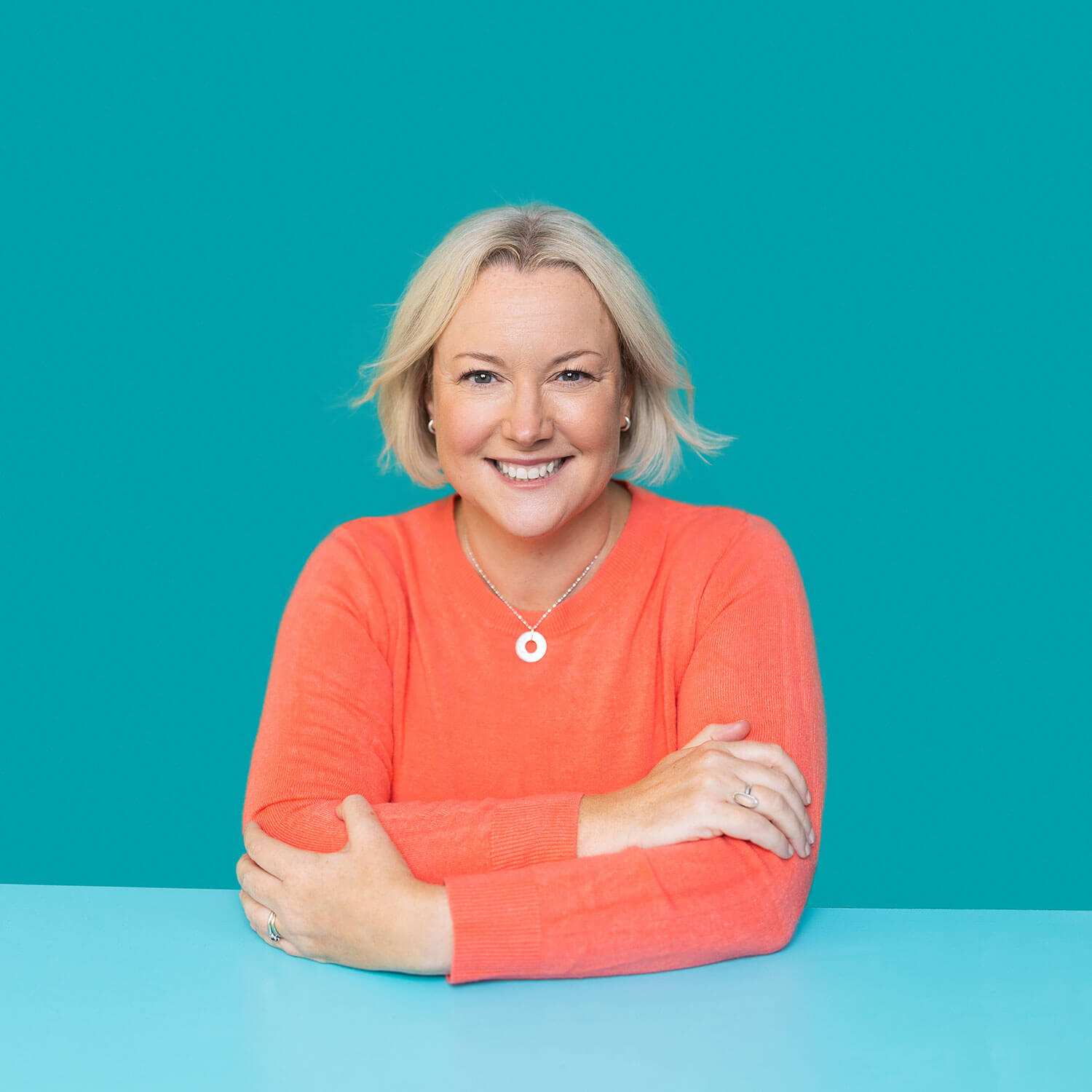
The Arm Cross: Cross your arms loosely—not defensive-tight, but relaxed. Works well for professional headshots.
Looking Away: Angle your body away and look back over your shoulder. Creates interesting angles and often feels less confronting.
Hands Gently in Hair: One or both hands softly touching or adjusting your hair. Creates movement and a relaxed, candid feel—hugely popular for Instagram.
The Jacket Tug: If you’re wearing a jacket or cardigan, hold the lapels or gently tug the sides. A classic brand shoot move that gives your hands purpose and looks effortlessly polished.
Easy Sitting and Leaning Poses
Here’s a secret: sitting and leaning poses are easier than standing. When I first start photographing someone, I always ease them in with a sitting pose or leaning against something. It takes off the pressure and anchors you.
The Perch: Sit on the edge of a chair rather than settling all the way back. Keeps your posture good and prevents the “slumped” look.
The Lean-In: Lean forward slightly with elbows on knees or a table. Creates engagement and makes your eyes look larger.
The Cross: Cross your legs at the knee or ankle. If you have long hair, drape it over one shoulder for added dimension.
The Side-Saddle: Angle your knees to one side rather than facing straight forward. Much more flattering than usual sitting poses.
The Floor Sit: Sitting on the floor creates different levels and an interesting background dynamic.
The Arm Rest: Leaning on the arm of a chair gives you something to do and creates natural, relaxed lines.
How to Pose for Brand and Business Photos
For professional headshots and brand photography, you want to project confidence, approachability, and trustworthiness. Whether you’re updating your LinkedIn or investing in full portrait photography for your website, the goal is confident and friendly—not stiff and corporate, but not too casual either. Think “competent human you’d want to grab coffee with.”
For a corporate portrait: A slight angle works better than facing dead-on. Good posture, relaxed shoulders, arms loosely crossed or one hand in pocket. A closed-mouth smile often works well for serious industries, while a teeth-showing smile suits creative roles.
For brand photography: Show more personality. Include props related to your work, shoot in your workspace, and don’t be afraid of movement. The best brand photos look like someone caught you doing something you love.
The biggest mistake with business photos? Looking too stiff and serious. Confidence is attractive—tension is not. Lean slightly towards the camera to make your eyes more prominent. Remember, people are drawn into photos by your eyes.
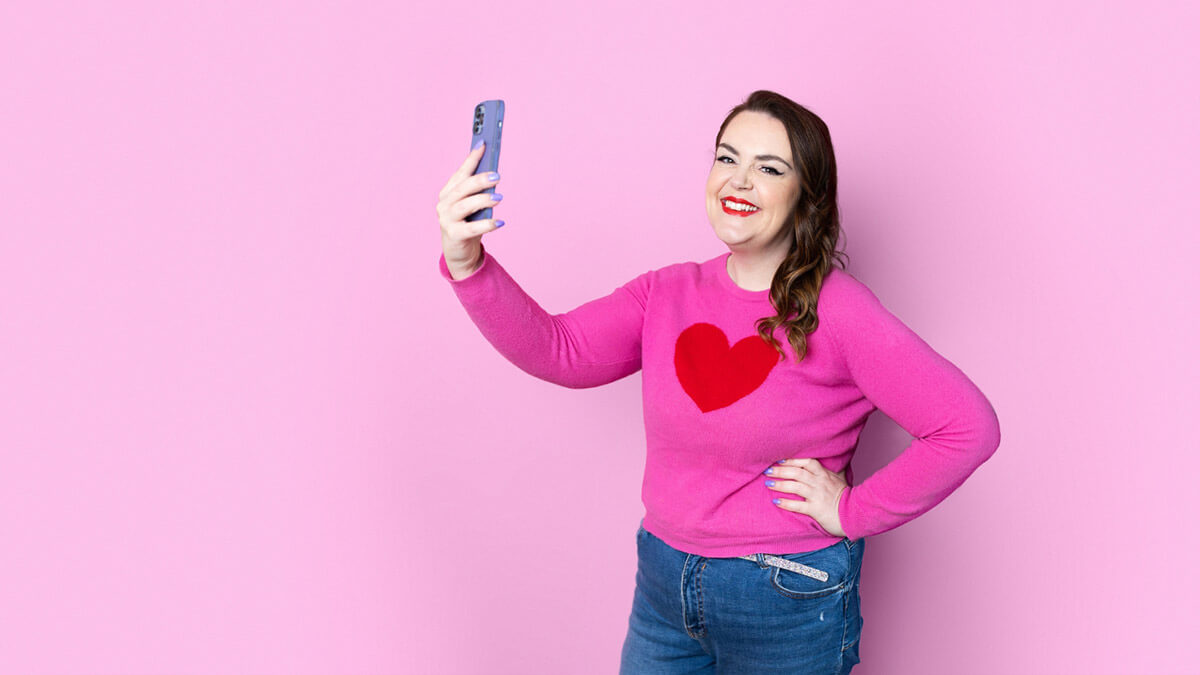
How to Pose for Photos Alone (Self-Portraits and Selfies)
Taking photos of yourself might feel strange, but it’s one of the best ways to become more confident in front of a camera. You’re in complete control—no pressure, no audience.
Use a phone tripod. It frees up both hands, gives you proper distance, and opens up your posing options dramatically.
Use burst mode. Rather than trying to nail one shot, move through a variety of shots. The best photo is often somewhere in the middle of a movement.
Practice in front of a mirror first. Get to know your angles without the pressure of capturing anything.
Find your light. Natural light facing a window is your best friend. Avoid overhead lighting and harsh direct sunlight.
To avoid a double chin: Push your forehead slightly towards the camera and bring your chin down a tiny bit. Shooting from slightly above eye level also helps.
Take more photos than you need. Professional photographers take hundreds to get a handful of keepers. Give yourself the same grace.
This is exactly what I teach in my course, Slay Your Selfies—how to take control of your own images and create photos you actually love.
Simple Instagram-Friendly Poses
Instagram tends to favour a more relaxed, candid aesthetic. These cute poses work brilliantly for social media:
The Look Away: Pretend you’re looking at something fascinating off-camera. It feels less confronting and looks more editorial.
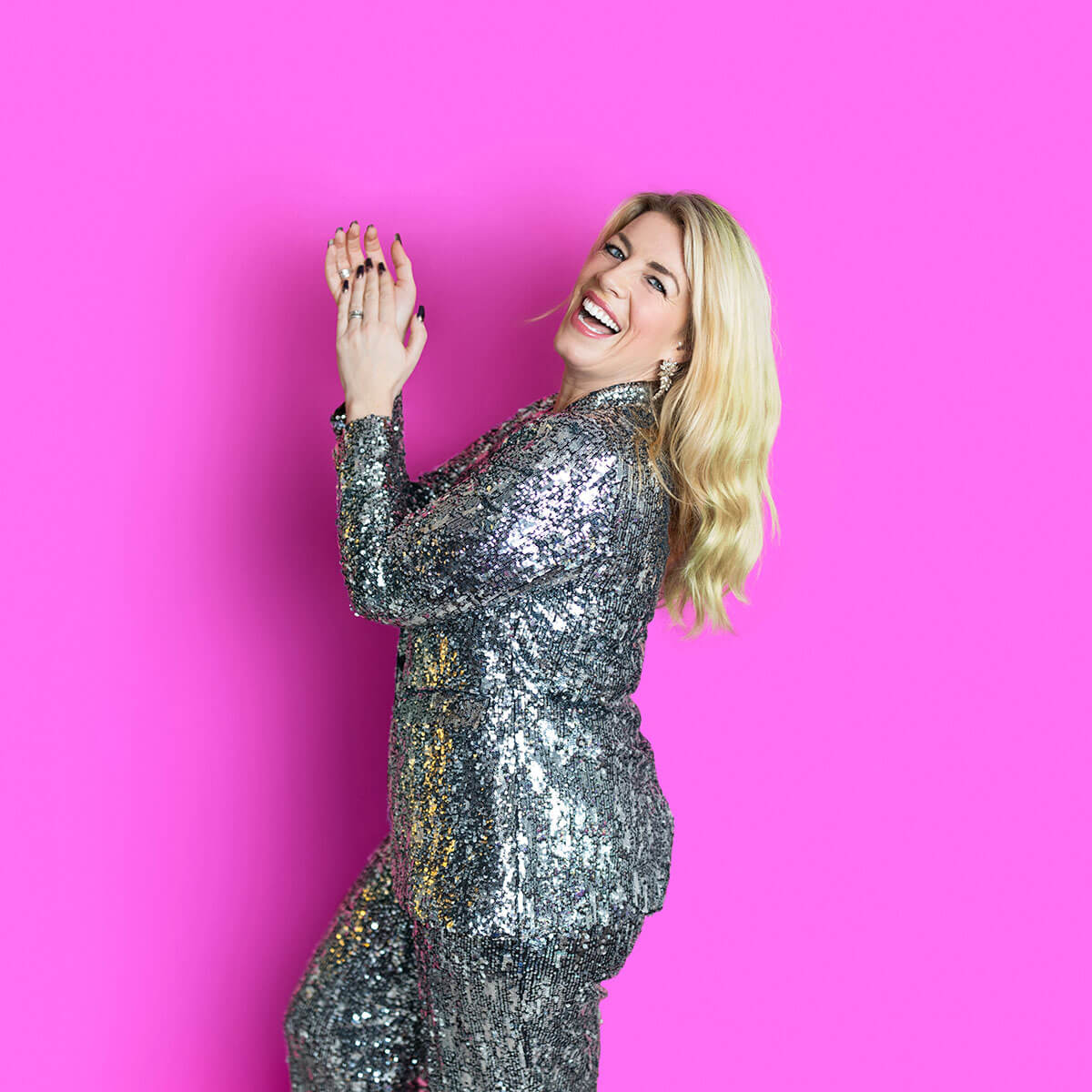
The Laugh: Mid-laugh photos are goldmines. Think of something funny and capture that genuine expression.
The Hair Flip: Toss your hair and capture it mid-movement. Adds energy and looks wonderfully candid.
The Walking Shot: Walking towards or past the camera, not looking at the lens. Perfect candid poses.
The Cosy Sit: Curled up with a book, blanket, or pet. Lifestyle content gold.
The Detail Shot: Sometimes the best “pose” is no pose—just a close-up photo of your hands doing something, your outfit, or an interesting detail.
For group photos, stand slightly in front and angle your body. This prevents the awkward shoulder-to-shoulder lineup.
Common Posing Mistakes (and How to Fix Them)
Even with the best intentions, these common pose mistakes crop up repeatedly:
The Death Grip: Hands gripping onto your leg, a chair, or railing for dear life. Consciously relax your hands. One small tweak here makes a big difference.
Raised Shoulders: Tension lives in your shoulders. Before every shot, consciously drop them away from your ears.
The Straight-On Stare: Facing the camera directly, weight equally on both feet. It’s the most common pose and least flattering. Add angles. Do literally anything other than standing like you’re queuing at the post office.
The Wrong Clothes: What looks good in the mirror doesn’t always translate. Take test shots and check how your outfit looks on camera.
Overthinking: The more you think, the more robotic you look. Move between poses and let the in-between moments happen.
Forgetting to Breathe: People literally hold their breath during photos. Exhale, and shoot during that moment of relaxation.
The Confidence Shift: How to Feel More Photogenic
Here’s something I genuinely believe: you deserve great photos of yourself, even if you don’t feel confident yet.
You are so much more loved than you think. You create great stuff. People want to see who you are. I heard something once that stuck with me: it’s a real disservice to people who would love you if you’re not visible. The way you’re going to achieve great things is by letting people know you exist.
We always think “when I’ve lost some weight” or “when my skin clears up.” But I look back at photos from ten years ago and think, “I was actually a lot slimmer than I thought.” And I was certainly ten years younger. With hindsight, we’re always kinder to ourselves.
There’s a lovely quote about how the sunset is beautiful, but when you photograph it, the picture looks nothing like the real beauty. People can be like that too. A photo might not capture how beautiful you really are—but that doesn’t mean you’re not beautiful.
My favourite way to approach photos when I’m not feeling my best? “I’m just going to take some pictures. If I hate them, I’ll delete them.” Take the pressure off. See it like a hobby.
The more you practice, the more photogenic you become. Not because you change, but because you learn what works for you.
Your Step-by-Step Posing Workflow
Here’s a simple system to follow every time you have photos taken:
1. Mindset first. Before any photo shoot, put on upbeat music. Say kind things to yourself. Get into a relaxed, positive frame of mind before touching a camera.
2. Check your light. Position yourself so natural light falls on your face. Good lighting does half the work.
3. Start with an easy pose. Begin sitting or leaning against something. Get comfortable before standing poses.
4. Make simple adjustments. Weight on back leg. Drop shoulders. Slight angle. Relaxed hands.
5. Think about your expression. Imagine your favourite person. Let real emotion show. Remember, it’s not your job to direct yourself perfectly—when working with a photographer, that’s the photographer’s job. Your job is simply to relax and respond.
6. Take a variety of shots. Move through different poses. Give yourself options.
7. Review and adjust. Check what you’ve captured and reshoot anything you don’t like while you’re still there.
FAQs: How to Pose for Photos
Here are the most common questions people ask about how to pose for photos, with simple answers you can use straight away.
What is the best pose for a photo?
A slight angle with weight on your back leg, relaxed shoulders, and a genuine expression works well for almost everyone. It’s a great pose to default to when you’re unsure.
How do I look more photogenic in photos?
Photogenic isn’t something you’re born with—it’s a skill you develop in front of the camera. Practice your angles, keep your chin slightly forward, and focus on genuine expressions. Being relaxed makes the biggest difference.
How do I pose for photos as a complete beginner?
Start with seated or leaning poses—they’re much easier than standing freely. Keep a slight bend in your limbs and shift your weight to one side. Small adjustments make a big difference.
What is the easiest pose if I feel awkward?
Lean against a wall or sit on the edge of a chair. Having something to support you removes the “what do I do with my body” panic. It’s an easy pose that looks completely natural.
How do I avoid a double chin?
Push your forehead slightly towards the camera and bring your chin down a tiny bit. Stand at a slight angle. Avoid shooting from below—eye level or slightly above is much more flattering.
What do I do with my hands when posing?
Give them a job! Rest them on your hip, in your pockets (thumbs out), holding a prop, or gently touching your hair. Keep them relaxed—no gripping or claw hands.
How do I pose for photos alone?
Use burst mode to capture multiple frames. A tripod is essential for proper self-portraits. Practice in front of a mirror first to find your angles, and use your phone’s timer or remote.
What are the most flattering standing poses for women?
The classic hip pop, the casual lean against a wall, and the walking shot all work brilliantly. Avoid standing straight-on with weight equally distributed.
How do I pose when sitting down?
Sit on the edge rather than sinking back. Lean forward slightly. Cross your legs at the knee or ankle, and angle your knees to one side for a more interesting line.
How do I pose for professional headshots?
For professional headshots, aim for confident and friendly. Slight angle, good posture, relaxed shoulders. Lean slightly towards the camera to make your eyes more prominent and create a sense of engagement with the viewer.
What are cute poses for Instagram?
Looking away, mid-laugh shots, walking past the camera, and cosy sitting positions all work beautifully. Movement and genuine expressions photograph better than stiff poses.
How do I pose for group photos?
Angle your body slightly rather than standing shoulder-to-shoulder. Position yourself slightly in front if possible. Put your arm around someone for natural connection.
How do I pose for full-body photos?
Weight on back leg, one knee slightly bent, arms with slight bends. Create space between your arms and body. Think S-curve rather than standing like a soldier.
How do I practise posing?
Mirror practice first, then self-portraits where you can see and adjust in real-time. Take a variety of shots and treat it as play rather than performance. The more you practice, the more natural it becomes.
Final Thoughts
Learning how to pose for photos isn’t about becoming someone you’re not or mastering complicated model moves. It’s about understanding a few simple principles—weight distribution, angles, tension release, genuine expression—and practising until they feel natural.
Remember: nobody is born knowing how to pose. Not celebrities, not professional models, not the effortlessly photogenic friend you’re comparing yourself to. They’ve just had more practice. And now, armed with these tips, you can catch up quickly.
Be kind to yourself through the process. Take more photos than you need. Delete the ones you don’t like without drama. And remember that your worth isn’t based on how you look in pictures—but that doesn’t mean you can’t learn to love how you show up in them.
If you take nothing else from this guide, remember this: good photos aren’t about perfection. They’re about ease, practice, and small adjustments that anyone can learn. The more you do it, the better you get—and the more confident you’ll feel.
If you want to go deeper and learn how to take gorgeous self-portraits using just your phone, my course Slay Your Selfies walks you through everything step by step—from lighting and angles to building genuine confidence in front of the camera. It’s helped so many women finally get photos they love, on their own terms. Check it out here if you’re ready to take control of your own images.
Now go practise. You’ve got this! 💪