10 Business Photoshoot Tips for Stunning Professional Headshots

Planning a new business photoshoot can feel overwhelming, especially if you’re investing in professional images for the first time! Whether you’re a small business owner planning corporate headshots or a long-time entrepreneur needing a complete profile photo refresh, that pre-shoot nervousness is completely normal.
I’ll never forget the night before the first time I did my own branding session – even as a brand photographer, I stood in front of my wardrobe for what felt like hours, trying on outfit after outfit, convinced nothing looked quite right. What if I looked awkward in my own photos? What if I didn’t like them (double chin alert!) and what if I couldn’t do what I expect all my own clients to do? Eek! 😵

If you’re running your own business, you’ve probably realised that professional images aren’t just a nice optional extra anymore.
Before you even think about photos, it helps to understand what a personal brand actually is – because that’s what your photoshoot should be capturing.
And if you want to understand how professional images fit into a wider strategy, this personal branding photography guide breaks down what actually matters and how to use your photos across your business.
They’re essential for connecting with new clients and standing out in a crowded market. From LinkedIn profiles to social media, your professional portrait creates that crucial first impression with potential clients.
But for most people, the thought of stepping in front of a camera can feel genuinely terrifying… (even when you photograph other people for a living!)
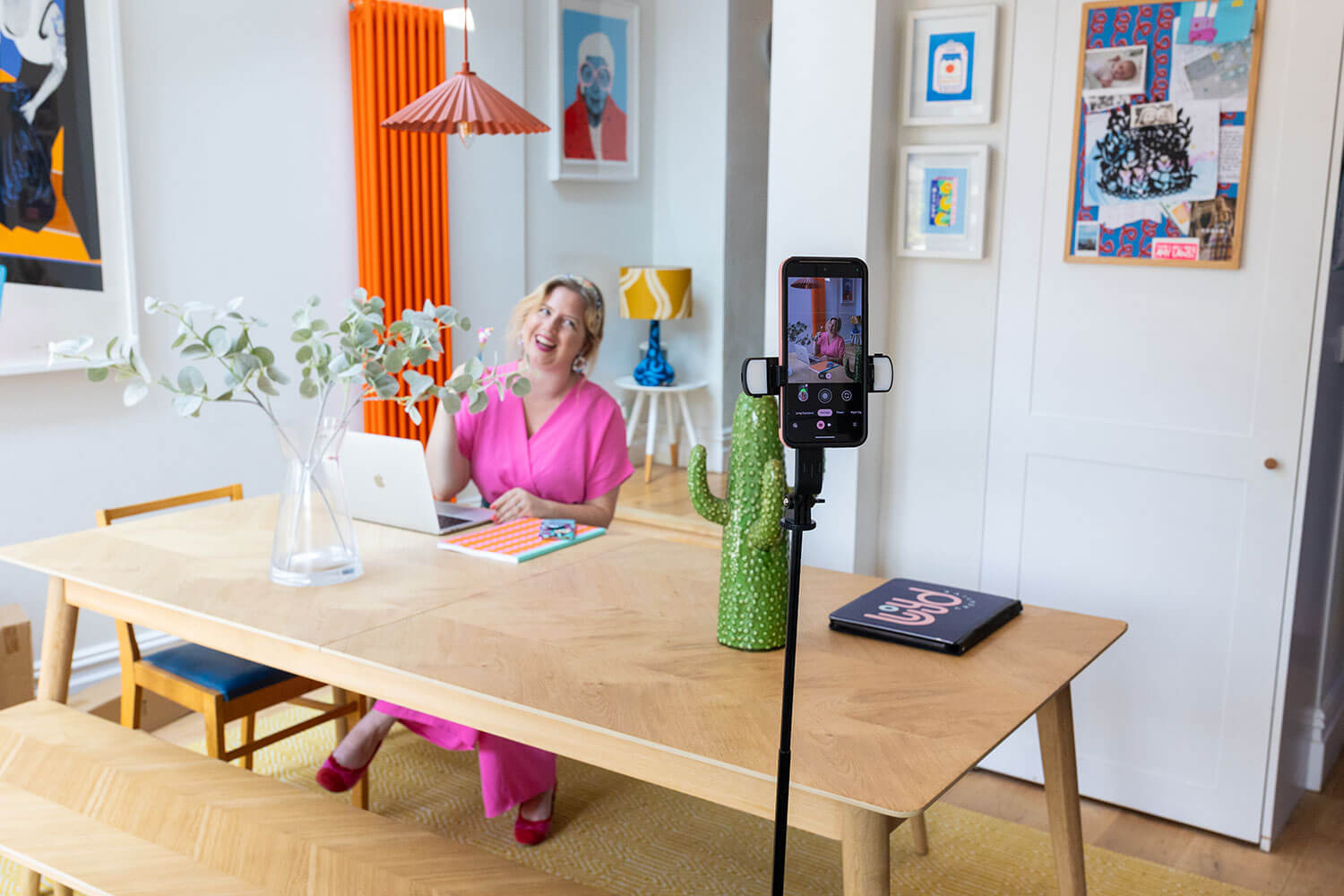
Here’s what I’ve learned from being on both sides of the camera: with proper preparation, your photoshoot can actually be enjoyable rather than something you dread for weeks. I follow this exact process for my own photoshoots (which I capture as self-portraits), and I guide my clients through the same process too.
This post covers everything you need to know to get the most from your next business photoshoot.
From defining your brand vision to optimising your image sizes after your shoot so that your new photos slot perfectly into your website, this guide will help you make the most of your investment.
I’ll also share how you can supplement your professional images with phone-captured content using techniques from my DIY brand photography course, Slay Your Selfies so you can get all your photography needs covered!

Table of contents
- Define Your Brand Vision Before Your Business Photoshoot
- Prepare Your Business Photoshoot Brief
- Choose Your Location and Setting for Your Shoot
- Essential Business Photoshoot Preparation
- Optimise Your Outfits and Styling
- Hair, Makeup and Posing for Your Photoshoot
- Capture Authentic Headshots in Your Business Photoshoot
- Product and Lifestyle Photography for Your Shoot
- Post-Shoot Editing and Optimisation for Your Business Images
- Maintaining Fresh Content Between Professional Shoots
- Final Thoughts on Planning Your Next Business Photoshoot!
Define Your Brand Vision Before Your Business Photoshoot
One of the biggest mistakes I see when I look at people’s existing online presence is that their website might have one vibe, Instagram another and LinkedIn something else entirely – and let’s not even talk about the awkward selfies at the train station. It’s like wearing slippers with an expensive suit to an important business meeting. A pretty confusing combination! 😝
To have a slick professional online presence that will get people to see you as a contender, you need to define your visual identity before any camera comes out.
Whether you’re booking a business photoshoot with a professional photographer or planning to create your own selfies for instagram, this foundation is essential. I follow this same process for my own self-portrait sessions and when guiding my clients.
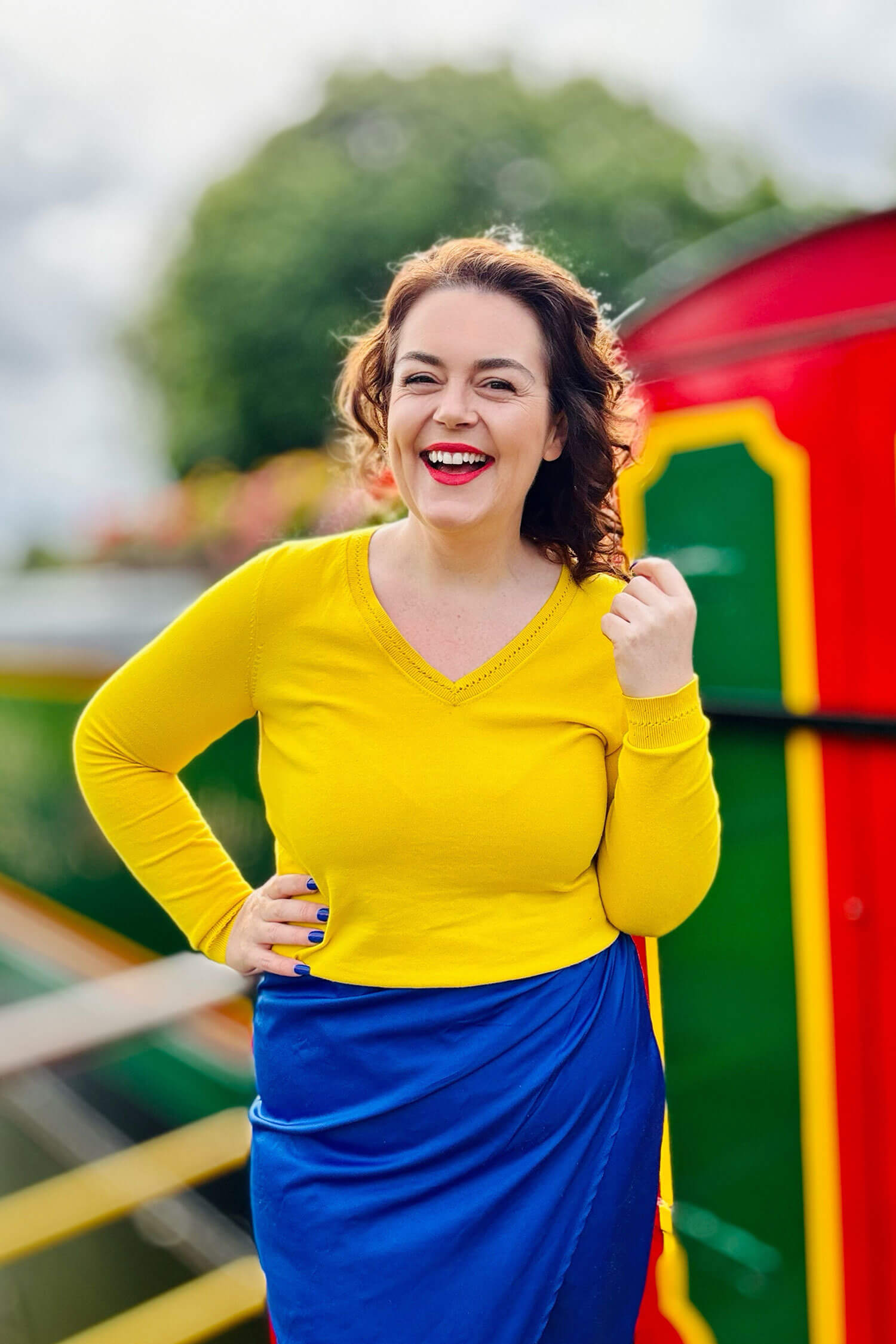
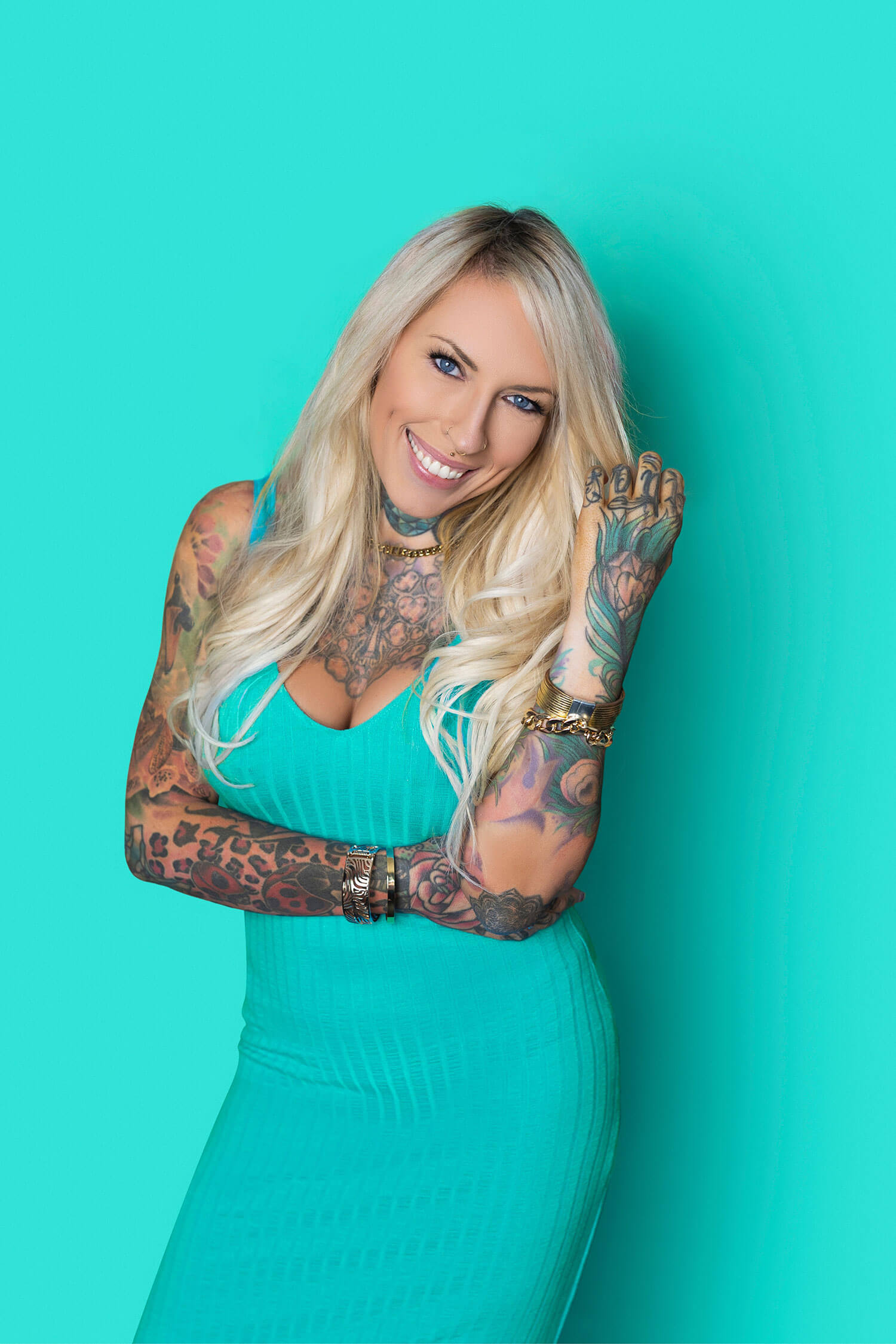
Self portrait of me, Rosie Parsons ✌️
Create a Visual Roadmap
Start by gathering inspiration that genuinely resonates with you. Pinterest is perfect for this. Create a board dedicated to your brand’s look and feel, and go collect business photoshoot ideas and exploring different looks that appeal to you. Don’t just pin other entrepreneurs’ photos. Look at what clothes they tend to wear, what poses look good to you, what colours often pop up.
The goal isn’t copying anyone per se. It’s understanding what makes a great photo and what is already working for other people in your industry.
It’s also important to think about what colours to include. If you already have a brand palette then pick tones from there to make sure it looks cohesive across all your marketing. If you don’t have a brand kit think about what colours make you feel confident? And what sort of locations reflect your personality? Once you’ve decided on those, your visual roadmap or moodboard can guide every decision you’ll make for your business photoshoot!
Connect Your Look to Your Brand
Your final images need to work across your entire online presence. Think about how they’ll appear on your website, social media, email signatures, and marketing materials.
Share your brand’s colour palette and logo with your photographer early on. For example, if your brand uses warm earthy tones, wearing a neon pink outfit would create visual confusion. Everything should feel cohesive.
This attention to detail makes your brand memorable and professional. It transforms your photos from generic business headshots women might get at any high-street studio into powerful brand assets that truly represent you.
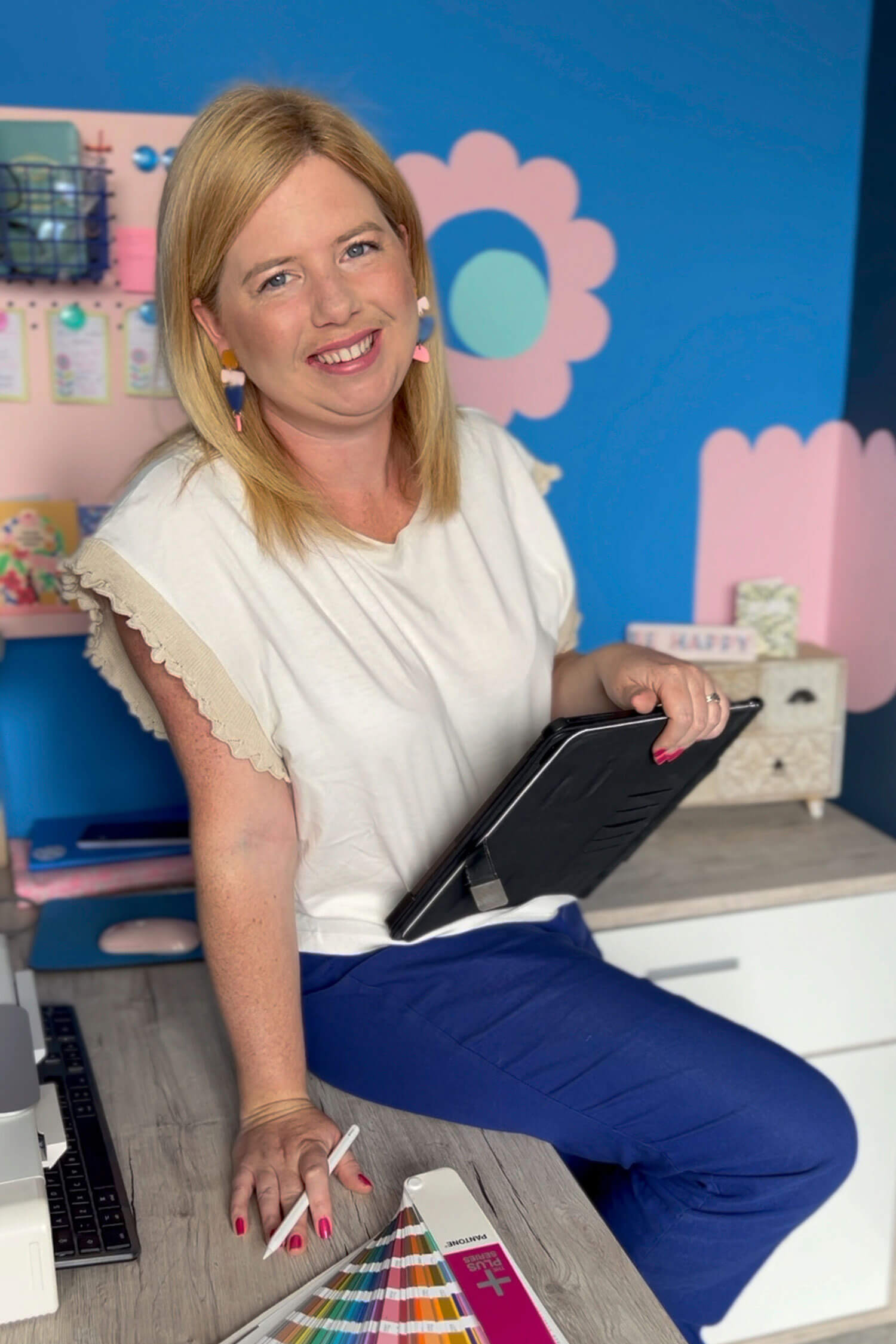
Self portrait of Kayleigh Lloyd from Lloyd Creative (Slay Your Selfies student!) shot on her phone
Prepare Your Business Photoshoot Brief
There’s a moment of panic when you realise you need to explain what you actually want to someone else. Although I take my own photos, I’ve still been there, staring blankly at an email, wondering how to articulate the vision in my head to my brand designer (I use Kayleigh from Lloyd Creative for my branding, she’s brilliant!).
A proper brief is your secret weapon for getting exactly what you need from your business photoshoot and achieving the best results.
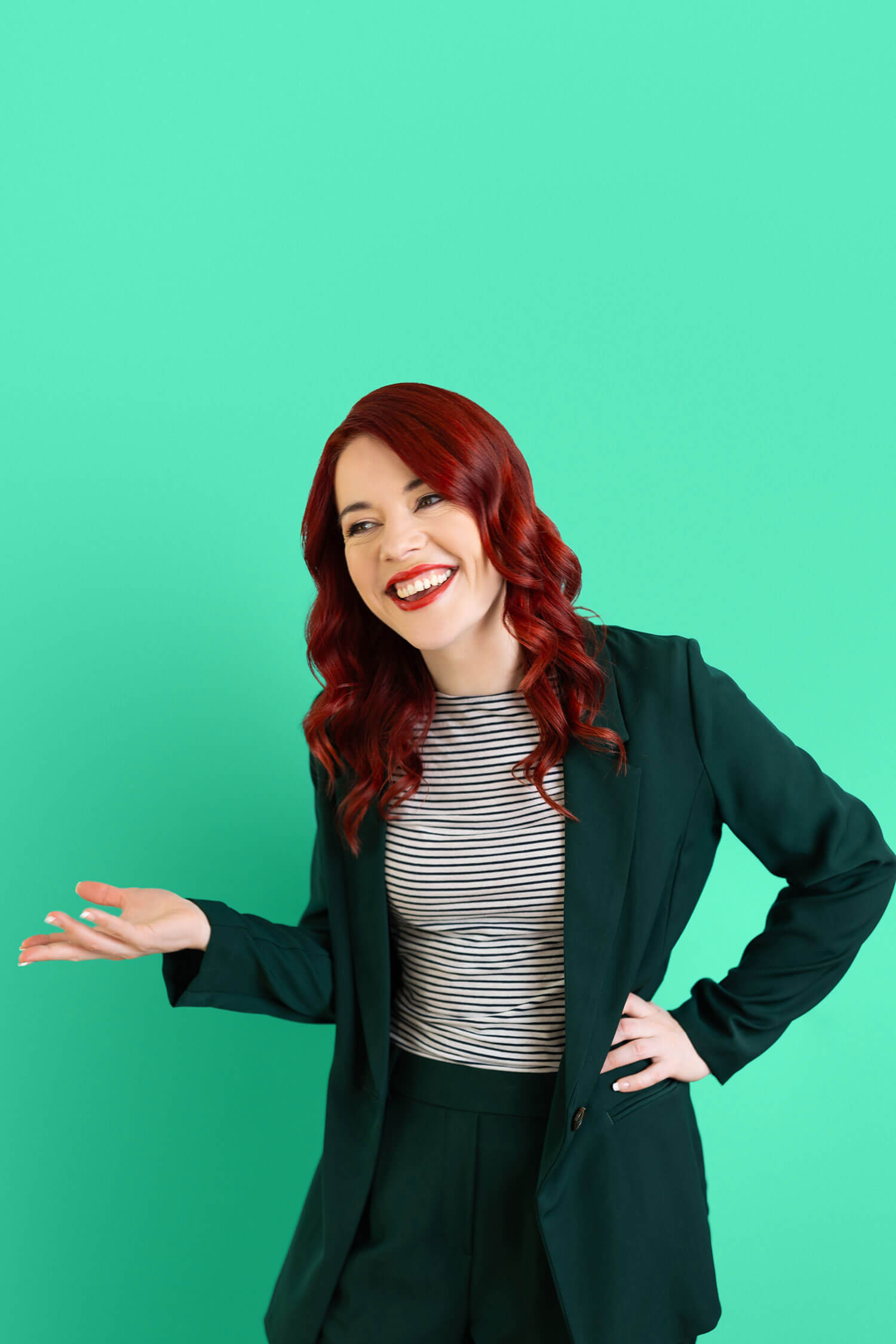
Studio shot of Heather Murray from AI For Non Techies shot by myself rosieparsons.com
Write Down Everything
Be clear about how you’ll use your images. Website headers? Social media posts? LinkedIn profiles? Executive portraits for your about page? Team photos for your staff section? This affects everything from composition like how much free space to leave for potential text in the picture, to whether you need landscape or portrait orientation.
Now for the interesting part: storytelling. Instead of just thinking about pretty pictures, consider the narrative you want to create. What journey do you want to take your ideal clients on? Whether you’re planning headshot sessions for yourself or coordinating a large group shoot for your entire team, the story behind your images matters.
A good photographer will help you craft this story, but they need your input. Share details about your day-to-day work and the transformation you help people achieve. When I’m planning my own shoots, I go through this exact same process – even though I’m photographing myself, I still need to be clear about what I need and why.
Think about what your clients need to see to feel confident working with you. Should your shots showcase expertise, approachability, creativity? The more specific your brief, the more efficiently your shoot runs and the fewer regrets you’ll have afterwards.
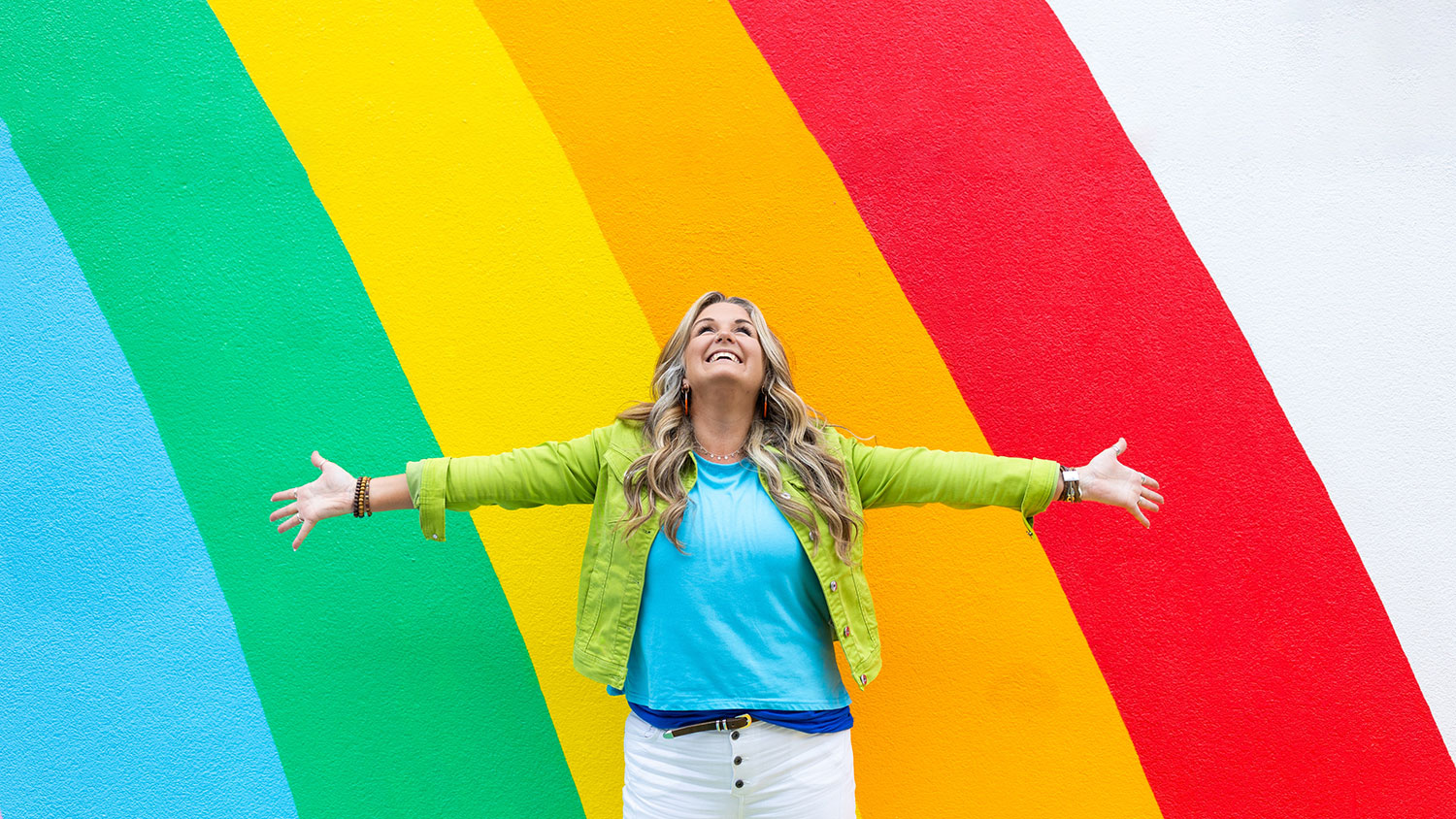
Self portrait of PJ Livett from rePHRASE (Slay Your Selfies student) against a rainbow mural in Bristol, UK shot on iphone
Choose Your Location and Setting for Your Shoot
I spend a lot of time researching my ideal photoshoot locations. It makes a huge difference to the final shots as the environment should reflect your brand values and ideally colours too. Of course with a studio photoshoot you’ll be led more by what your photographer already has in terms of props.
Pick Settings That Reflect Your Brand for the Shoot
For a fresh, bright aesthetic, look for spaces with lots of natural light. A professional studio can create whatever lighting your brand needs – from bright and airy to moody and dramatic. The advantage of studio photography is complete control over the environment, regardless of weather or time of day. This control is essential for creating the polished high-quality images and business portraits woman entrepreneurs need for key photos – like your website header for example that needs to be crisp and uncluttered.
If your brand vision includes specific locations like your office, a favourite café or outdoor settings, discuss these with your photographer. Some shoots work beautifully with a combination of controlled studio shots and environmental portraits – on-location images that show your authentic work environment. Whether you’re shooting in New York City or a small town, headshot photographers can help you identify locations that tell your brand story.
Your environment must feel authentic to how you actually work. There’s no point posing in a corporate boardroom if you’re a creative who works from a cosy home office. Similarly, if you regularly attend live events or host workshops, capturing images in those settings can create powerful first impressions with potential clients who’ll see themselves in those spaces.
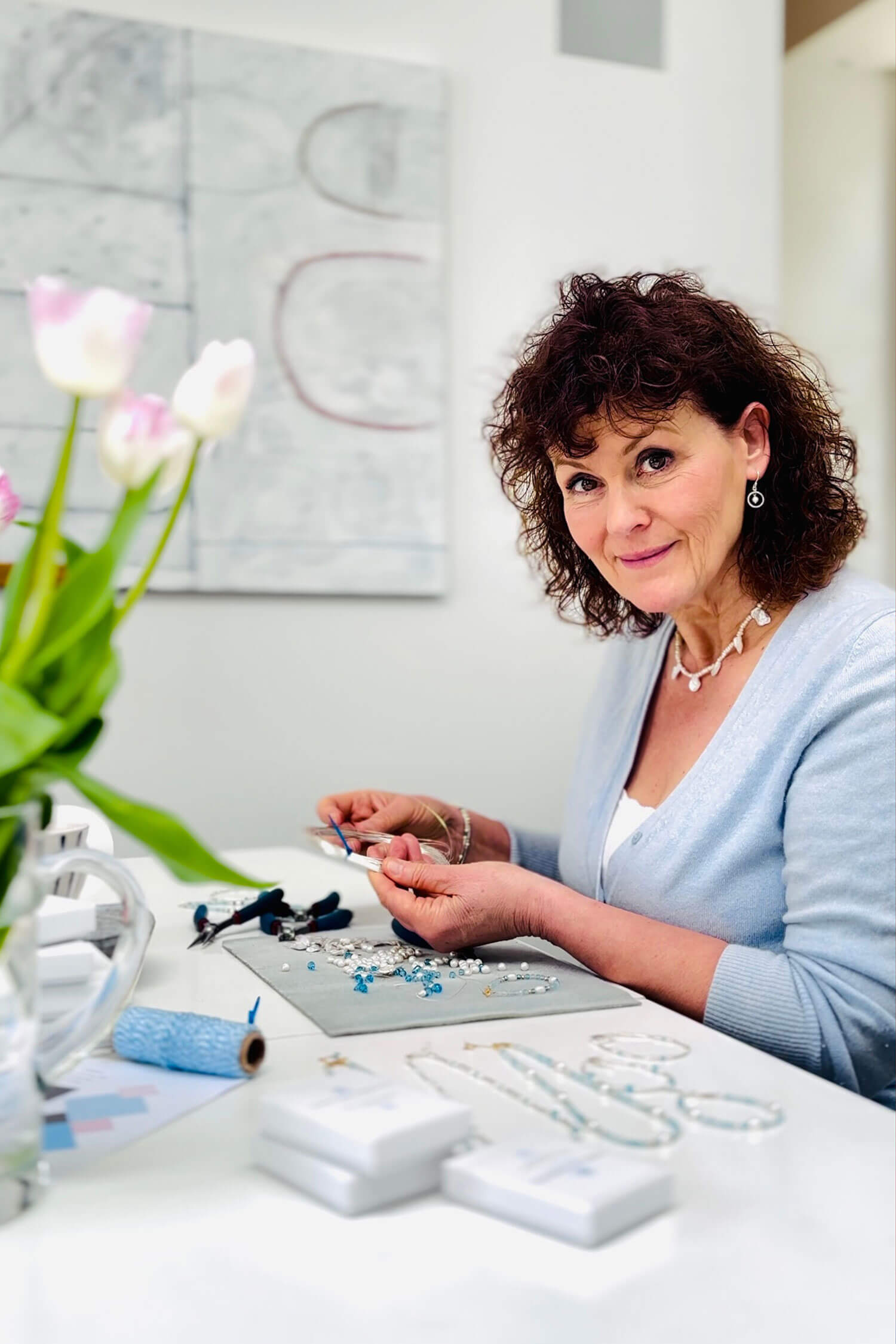
Self portrait of jewellery designer Sarah deLarrinaga (Slay Your Selfies student) shot on iphone
Think Beyond the Shoot Day
Even with the best photoshoot possible, social media is an absolute beast for needing new content! Your professional business photoshoot will give you stunning, polished images, but you’ll need fresh content between shoots too. For the in-between times, learn how to take good pictures of yourself so you’re never stuck waiting for your next professional shoot.
Think about those candid, behind-the-scenes moments – you at a networking event, setting up for a client meeting, or working on a project – these happen outside a scheduled session. While AI headshots might seem like a quick solution for supplementary content, they often lack authenticity and can create disconnect with your audience who’ve seen your professional images.
That’s why I developed my clever method for capturing these additional branding shots (aka selfie portraits) yourself just using your phone, which I teach in Slay Your Selfies.
It follows the same planning process you’d use for a professional shoot, just adapted for quick content you can create on your phone. Having both professional images and the ability to supplement them means you’re never scrambling for content when you need it and provides the best value for your investment – you get maximum mileage from your professional shoot while maintaining consistency with your DIY content. The shot below is a selfie for example!
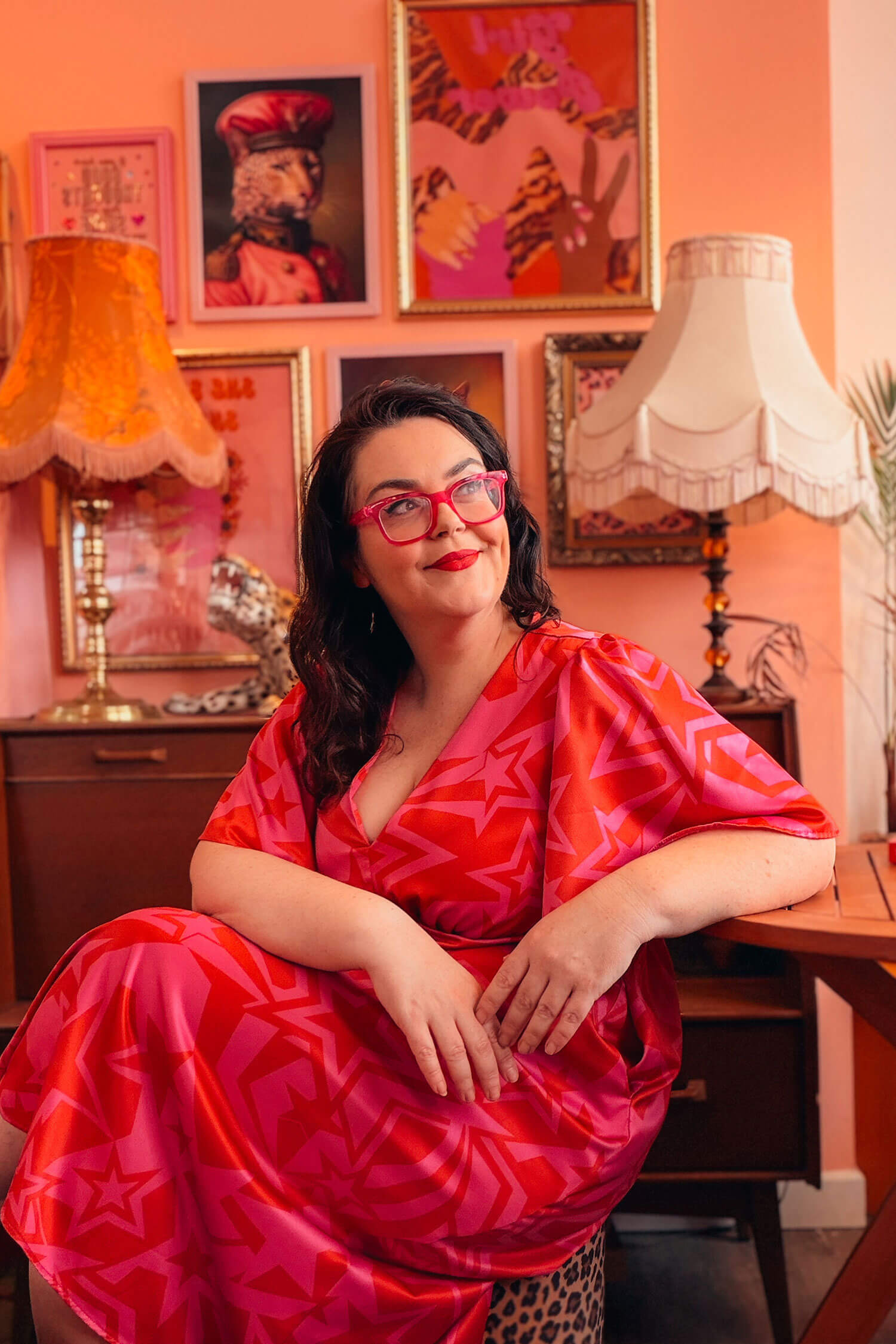
Self portrait of me – Rosie Parsons, shot on iphone
Essential Business Photoshoot Preparation
I used to think detailed shot lists were excessive until I tried photographing one of my clients with a list of ideas we’d come up with based on their specific business. It helped keep us on track, gave me direction and it made sure we captured everything needed and didn’t forget anything (imagine how frustrating it would be to realise you really need a specific photo – but a week after your shoot!).
Now I create these shot lists for my own photoshoots too – even when I’m capturing self-portraits, I plan out exactly what I need in advance so I can tick them off as I go.

Selfie portrait of Life Coach Elizabeth de Bakker
Create Your Shot List for the Day
Your shot list is your day-of bible. It maps out every single image you want to capture, including locations, outfits, props, and the desired mood for each setup. If you’re shooting with a team, consider how to capture team dynamics – those authentic interactions that show how you collaborate.
For myself I even think about the poses and angles although this is something your photographer will help you with if you’ve booked a professional shoot.
When you’re working with a corporate photographer, collaborate with them on this list before shoot day.
When I work with clients, I guide them through this process because I know which shots work technically and compositionally. But when I’m shooting my own content – whether it’s a planned self-portrait session or quick phone content – I still create this list. It keeps me focused and ensures I don’t forget anything important.
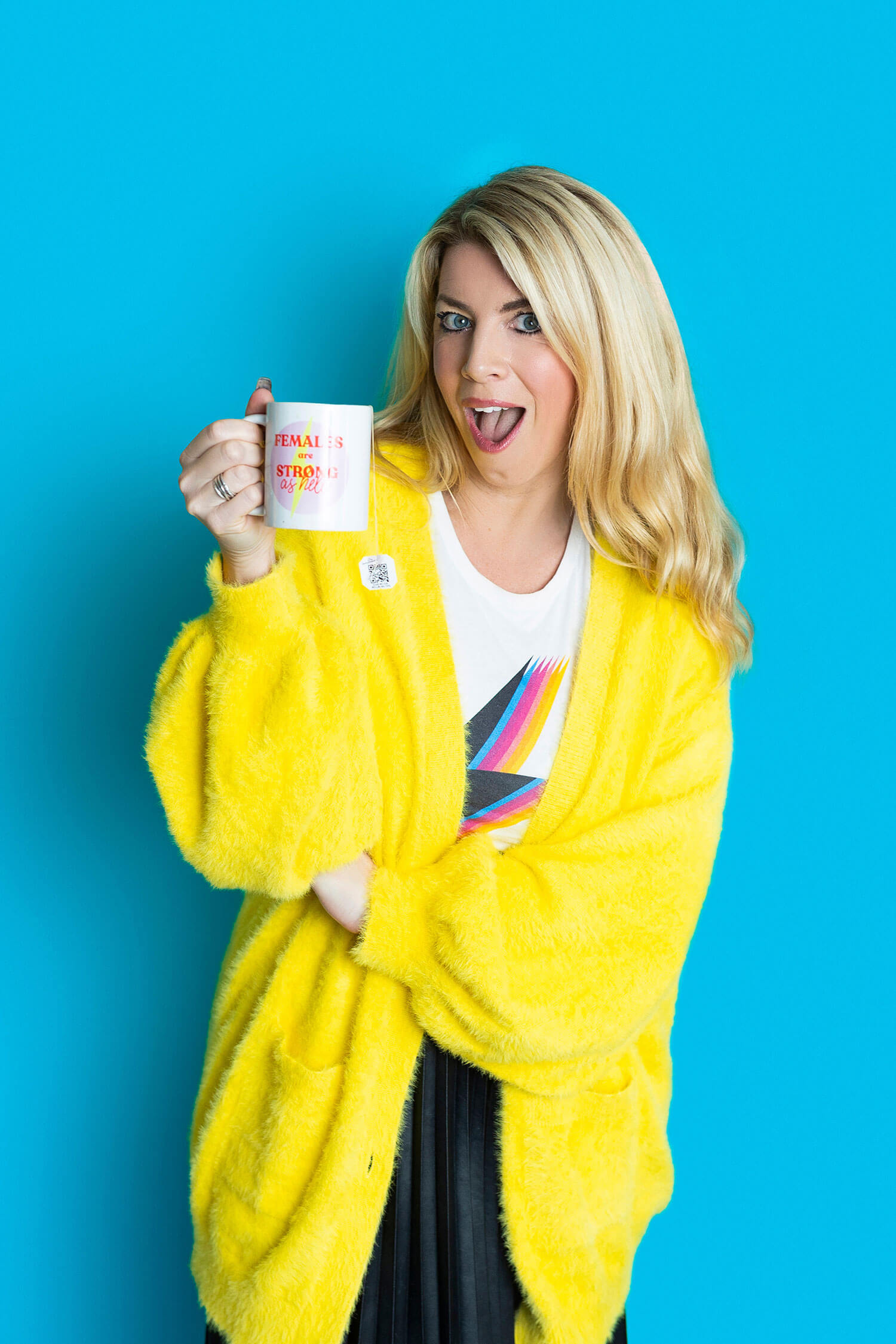
Studio Photoshoot with Business Coach Laura Brunton by me, Rosie Parsons
Choose Your Outfits and Props
Props help emphasise your brand values without distracting the viewer. Choose items that make sense for what you do.
Are you a writer? Include beautiful notebooks in your brand colours. A wellness coach? Add plants and supplements or exercise equipment in the scene. You don’t need to buy everything new – raid your home and move items around from other rooms, or even borrow from friends if you’re super organised! I couldn’t do this though, I end up losing everything! 🙈 😬
Another top tip is to make sure your clothes are ironed and your nails are manicured. These small details matter in your final images because they show you have attention to detail – which potential clients value!
Ask your photographer to capture flat lays of your props too (ask in advance so they have time to make a plan) – these detail shots add variety to your website and social media images. So much better than generic stock photography!

Optimise Your Outfits and Styling
I had a lightbulb moment about outfits while packing for a weekend away. Seeing my favourite pieces laid out together, I noticed I definitely have some go to colours (pink and red with a dash of rainbow anyone?!). This is your starting point for planning what to wear for your business photoshoot.
Your clothing should feel like a natural extension of your personality and personal brand, not a costume or like you’re trying to be someone else.
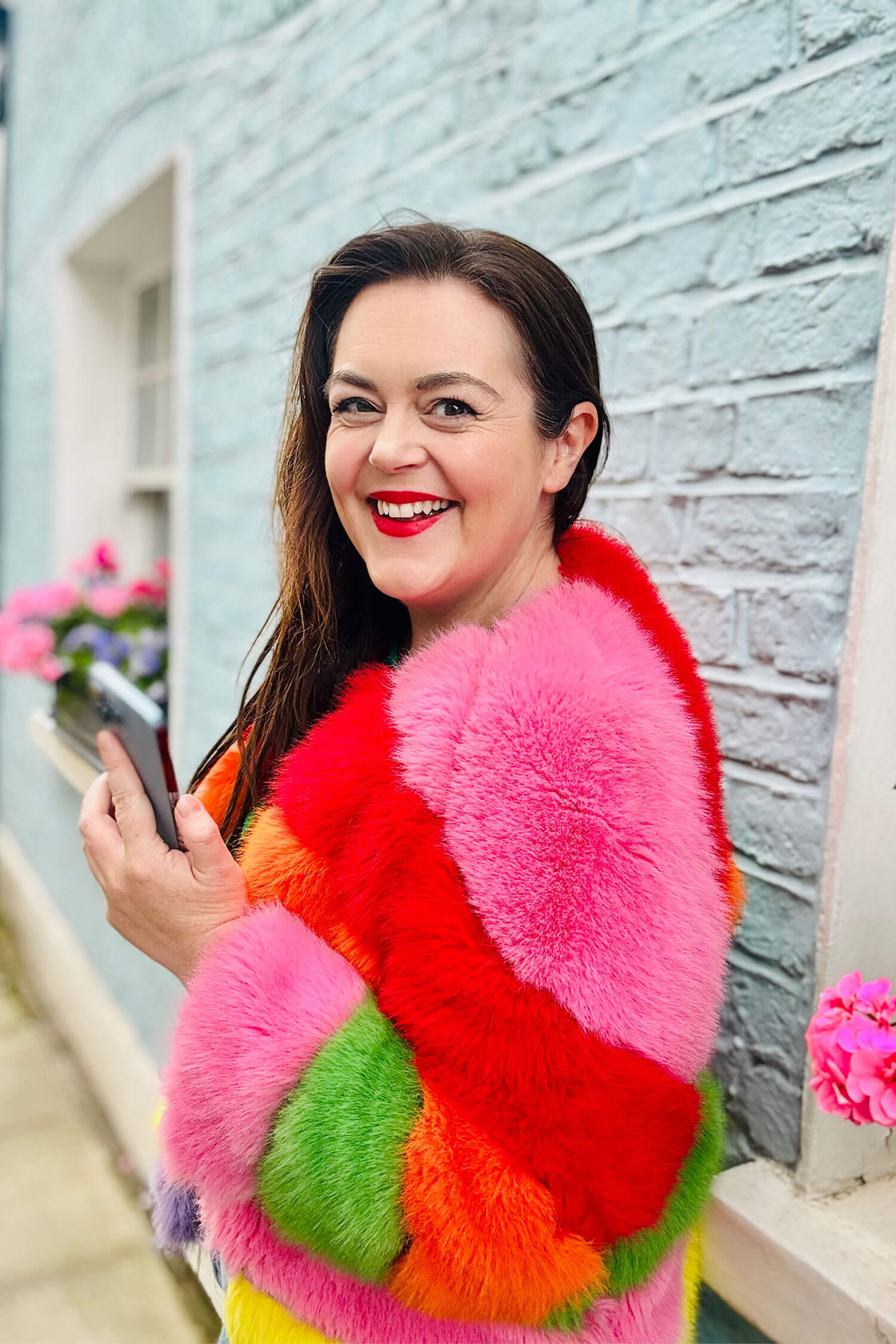
Self portrait of me – Rosie Parsons, shot in Notting Hill, London on iphone
Pick Colours That Work
Look at your Pinterest board or open up your wardrobe at home. What colours do you always gravitate towards? You’ll feel most confident in outfits that already make you feel good.
I always tell my headshot clients to bring at least three to five different outfits to create variety. They should coordinate with your brand palette without being identical (you don’t want to look too try hard!).
Here’s my take on patterns: that stunning floral blouse can be overwhelming on camera. Bold prints are good, but small details get lost easily and look too busy in pictures.
Colour blocking is safer and more modern for creating a cohesive look. If you love a print, choose a subtle one.

Brand Photoshoot with Marketing Specialist Louise Gregson-Williams by me, Rosie Parsons
Stay True to Your Style
The most important rule is wearing what you love. Forget what looks good on others. If you feel amazing in jeans and a blouse, wear that. Authenticity comes through in photographs.
Sometimes a stylist friend’s perspective helps. They can pick pieces that photograph well and align with your branding.
Remember, your outfits support your brand story. They help you create shots that feel genuinely you.
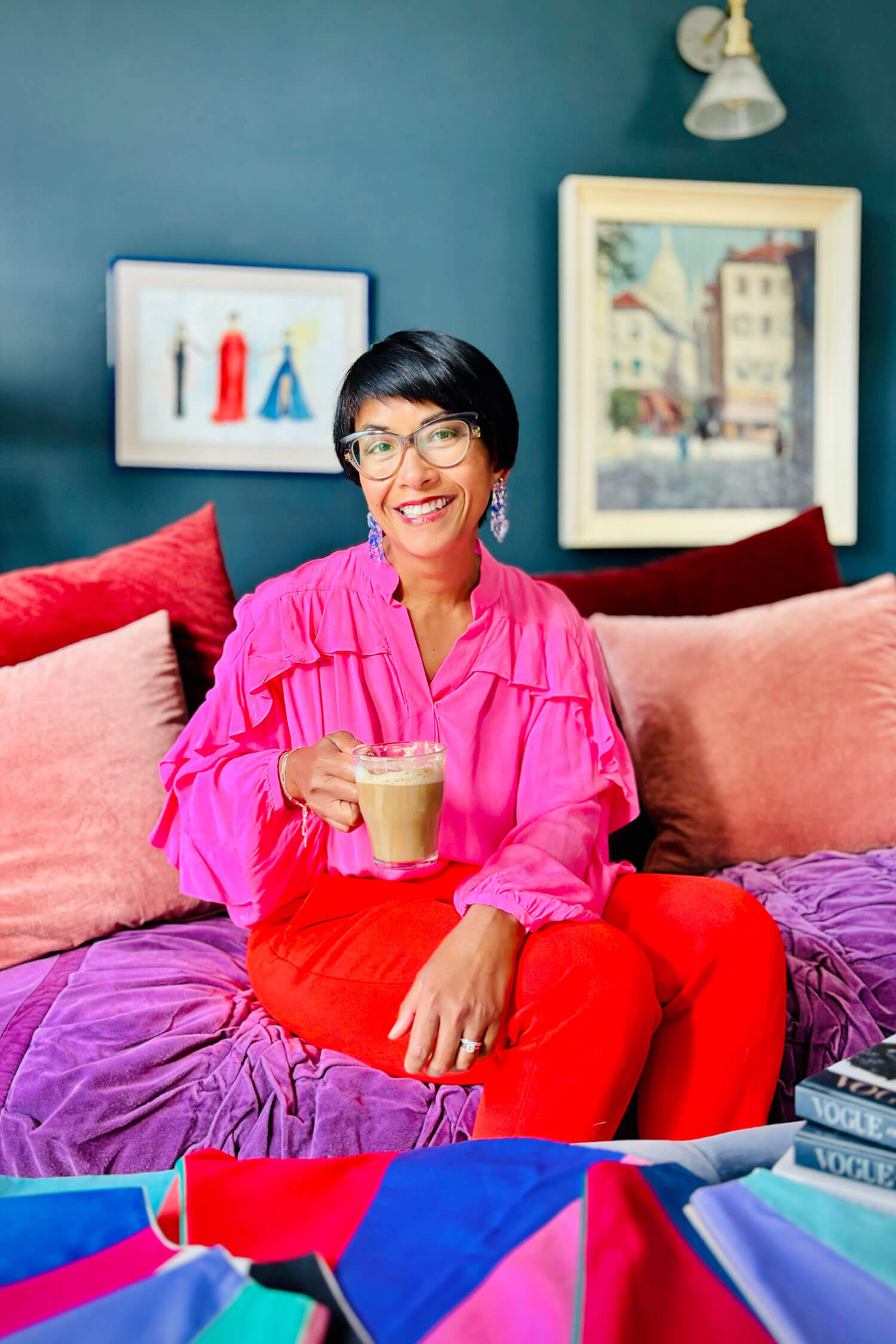
Phone self portrait of Personal Stylist and Slay Your Selfies student Chantelle Znideric
Hair, Makeup and Posing for Your Photoshoot
The moment I realised my usual makeup looked completely different on camera was a wake-up call. Even though I’m behind the camera most days photographing clients, when it’s my turn in front of the lens for my own branding images, I face the same challenges everyone does.
Getting your hair and makeup done professionally can feel like a luxury, but it’s often worth the investment for a professional shoot. A skilled makeup artist knows how to enhance your natural features for the camera, and professional lighting requires specific makeup techniques to look your best.
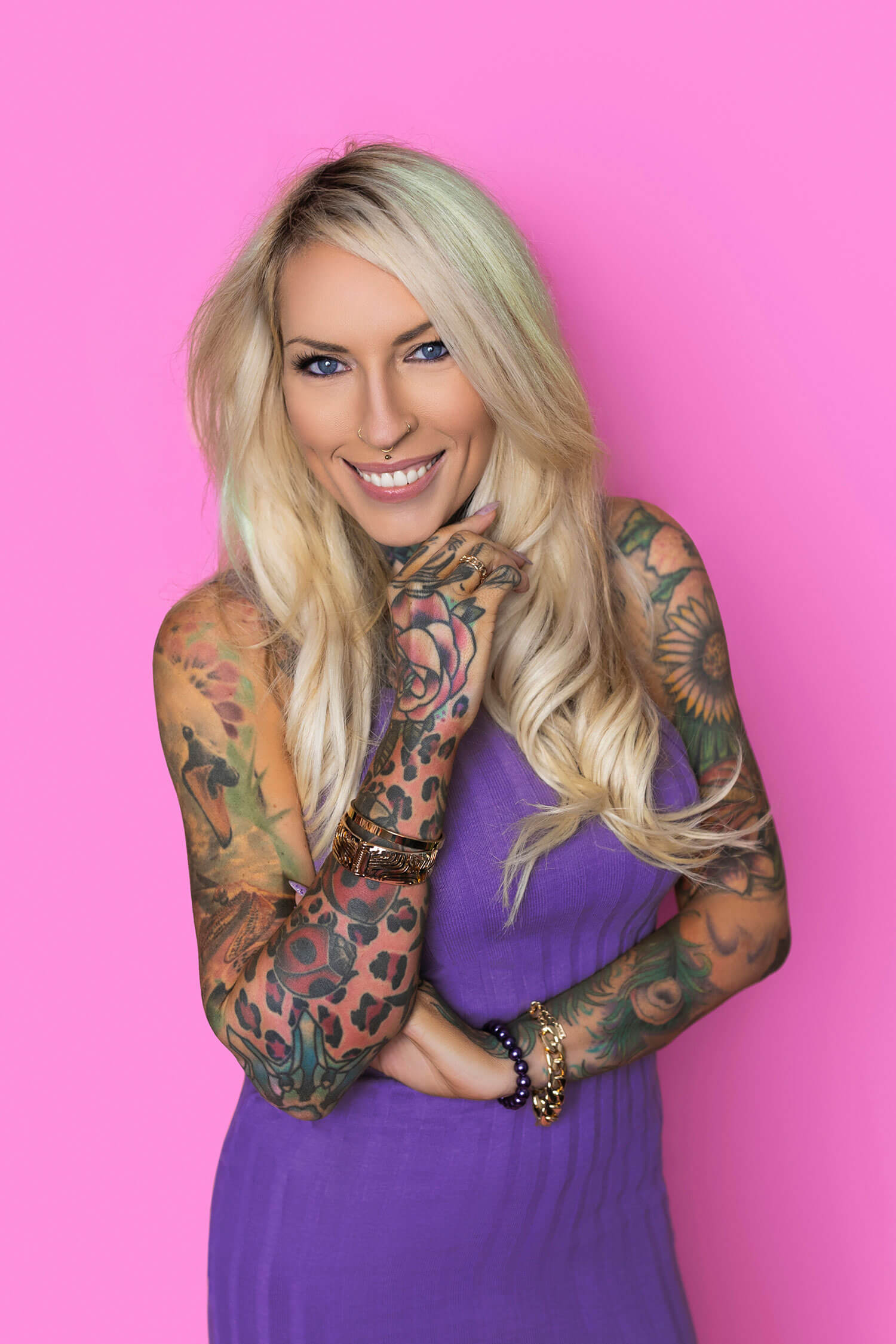
Studio photoshoot with Lea Turner, The HoLT by me – Rosie Parsons Photography
Professional Help vs DIY
For your main business photoshoot, I’d recommend professional hair and makeup if your budget allows. The controlled lighting in a studio or professional setup is more intense than natural light, and professional makeup is formulated to look perfect under those conditions. This investment ensures the professional headshots women entrepreneurs receive look polished and camera-ready.
The goal is looking like the best version of yourself, not someone completely different. Bring reference photos showing how you normally look, some example photos of what you’d like to achieve and communicate clearly with your makeup artist about your brand aesthetic.
If you’re planning to create additional content yourself between professional shoots (which I highly recommend), you’ll want to learn techniques for doing your own makeup that photographs well. Phone cameras are more forgiving than professional equipment, but there are still tricks to looking your best.
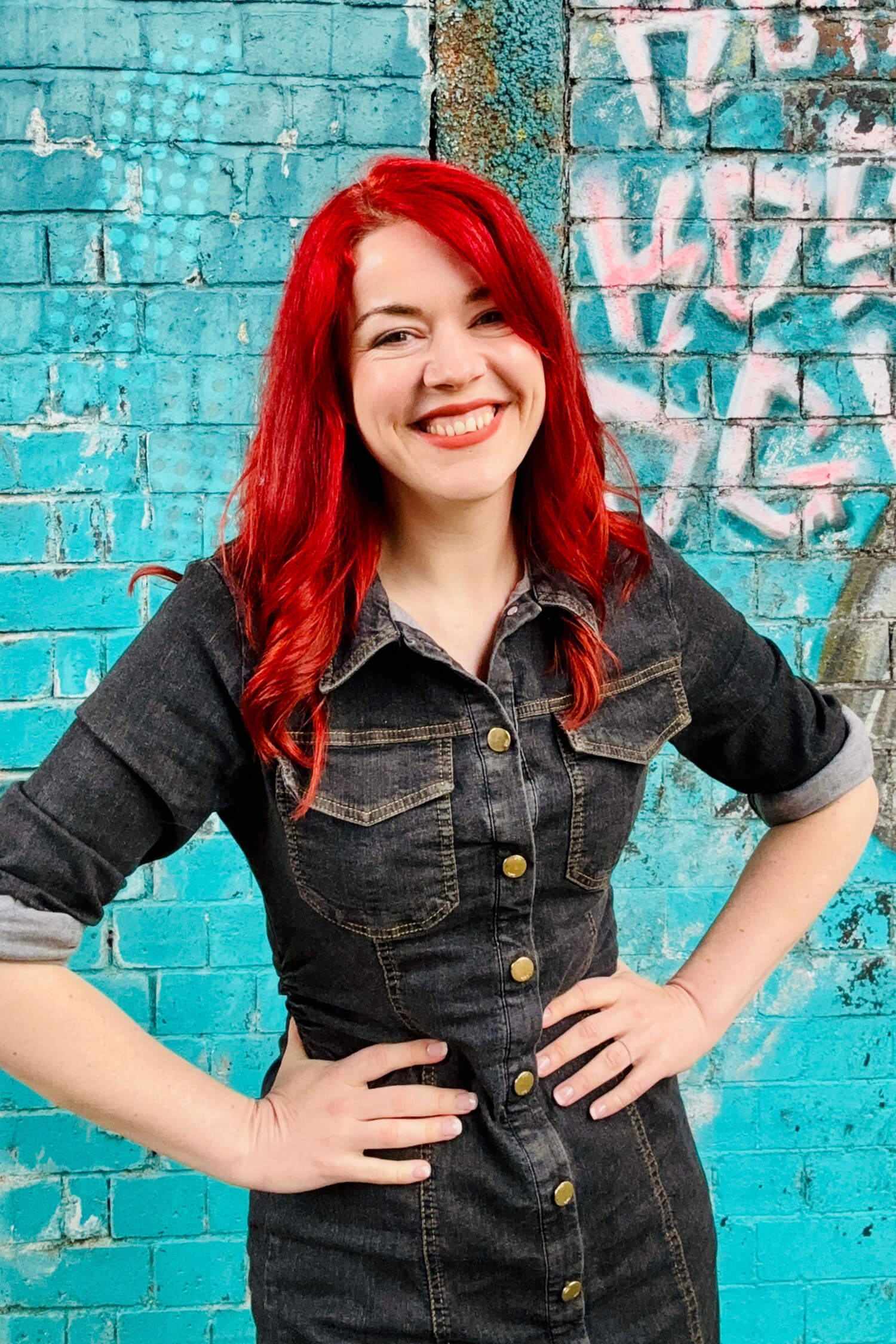
Self portrait taken on iPhone – Heather Murray, AI For Non Techies and Slay Your Selfies student
Natural Posing
It’s not just you – most people feel really awkward posing! Your photographer should guide you through every step, demonstrating natural poses that feel authentic. Great business portrait photography captures genuine expressions rather than stiff, forced poses.
When I’m photographing clients, I guide them through this constantly. But when I’m in front of the camera myself – whether it’s a professional shoot or capturing my own content? I still need those same reminders.
Practice a few basic poses in front of a mirror beforehand. Think about gentle movements rather than frozen positions. Natural smiles always beat forced seriousness.
Avoid that overly pensive “thinking face” we’ve all tried. It rarely looks genuine. Instead, think about something that makes you happy – I like to ponder on whether it would be better to date Ryan Reynolds or Jason Momoa… let that authentic joy shine through.
Remember to breathe deeply and move naturally between shots. The best images often come from those unposed moments in between.
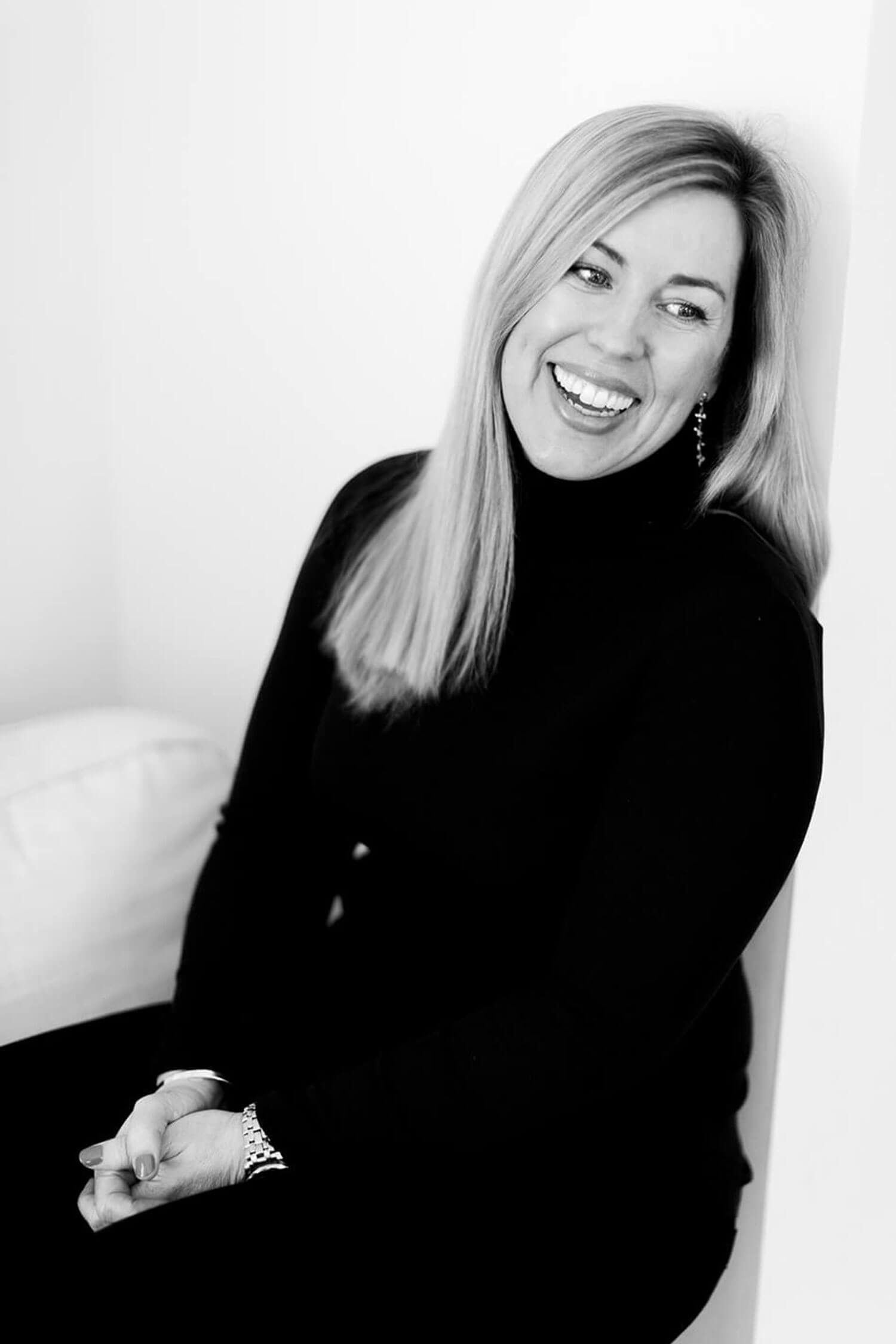
Photoshoot with Penguin author and Reece Witherspoon’s book of the week author Sarah Pearse, shot by myself – Rosie Parsons
Capture Authentic Headshots in Your Business Photoshoot
Your face is your brand’s most valuable asset. Yet so many brilliant women entrepreneurs treat it as an afterthought, using generic stock images instead of showing the actual person behind the business. Having professional headshots women can genuinely be proud of will make all the difference in building trust with potential clients. As a photographer, I see this all the time, and it makes me super sad, because I know how transformative for your business the right images can be.
Professional Headshots Women Actually Want to Use
Having professional headshots women feel excited to use across their marketing materials makes such a difference in building trust. The business portraits prospects see on your website should capture both your expertise and your warmth. People want to connect with a real person, not just a logo. I also always tell my clients that they don’t need to worry about looking super attractive or slim – I realise it’s a worry (I feel the same!) and I know that we all want to look gorgeous. But remember these photos aren’t for Tinder!
Work with your photographer to capture various expressions and angles. Warm smiles, thoughtful glances, genuine laughter. This variety gives you options for different platforms throughout your marketing.
When it comes to business portrait photography, the best approach focuses on authenticity rather than perfection. So don’t worry about that double chin or whether your teeth look straight. Focus on whether you look warm, friendly and confident.
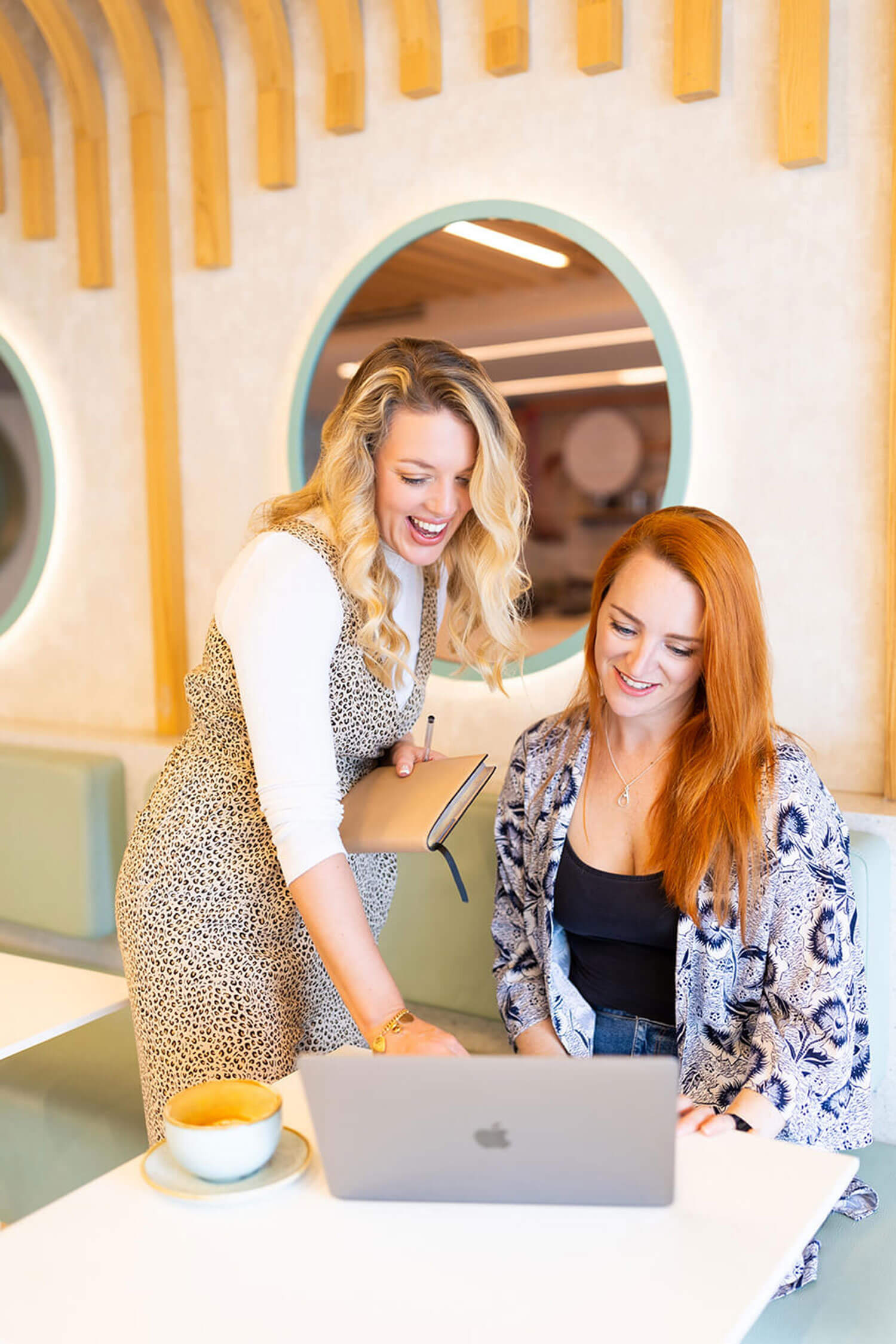
Business photoshoot for Marketing Expert Louise Gregson-Williamson by myself, Rosie Parsons
Team Portraits
If you have a team, even a small one, showcasing them builds credibility. It demonstrates you’re established enough to have support. Potential clients appreciate seeing the human side of your operation and know who they are talking to.
Capture both formal group shots and casual interactions. Team members collaborating naturally or sharing a laugh. And individual professional headshots people in your team can proudly use across their own profiles help clients understand who they’ll be working with.
These authentic shots create immediate connection and trust. They transform your brand from a faceless entity into a team of real people clients want to work with.
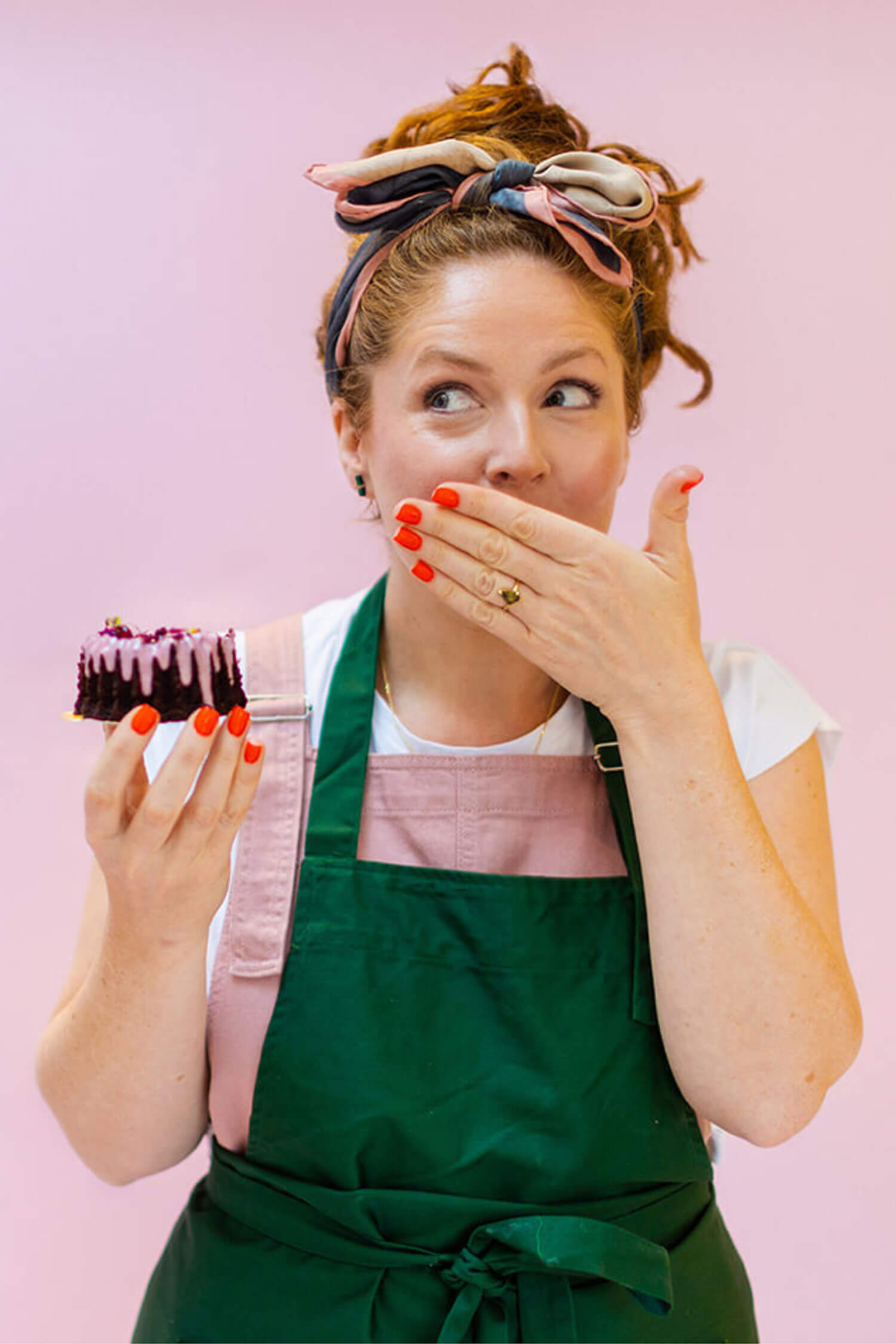
Product and Lifestyle Photography for Your Shoot
There’s particular magic when you stop treating your products like objects and start treating them like characters in your brand’s story. If you sell products or services, your business photoshoot should include imagery that shows what you offer in the best possible light.
Style for Editorial Impact
Forget basic white background shots. Ask yourself: “Who is this product for?” and “Why do they need it?” Your styling should visually answer both. For brilliantly colourful stylish product photography check out my awesome friend Marianne Taylor from Hiya Marianne to get yourself the ultimate product photoshoot!
Create scenes that tell a story. A luxury candle might sit beside beautiful books and a cosy throw. Jewellery could be styled with natural elements that hint at its inspiration.
Every shot should feel intentional. Use props that complement without overwhelming. The goal is making potential clients imagine themselves using your product in their own lives.
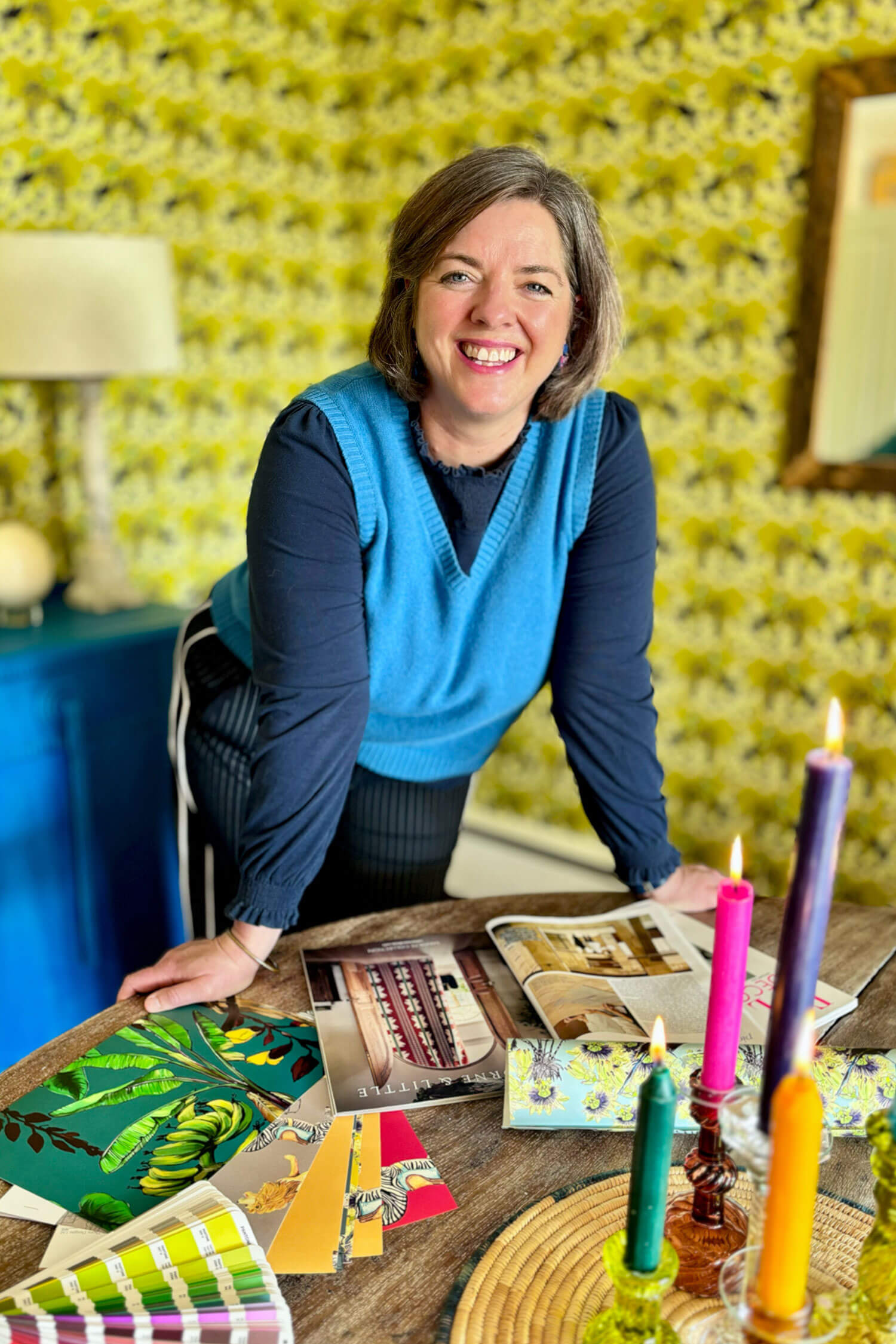
Self portrait brand photoshoot by wallpaper designer and Slay Your Selfies student Georgina van Hasselt, Whistling Thorn Designs
Lifestyle and Candid Shots
Lifestyle photography takes this further. Show your products being used by real people (or even better – yourself) in authentic situations. These images help customers visualise themselves as your client.
Also think about capturing behind-the-scenes moments of you creating or delivering your service. A personal stylist helping a customer choose outfits. A consultant meeting with a client. These genuine interactions convey the value behind what you do and help potential clients understand the process.
The best lifestyle shots often come from unplanned moments. Don’t stress about perfect poses.
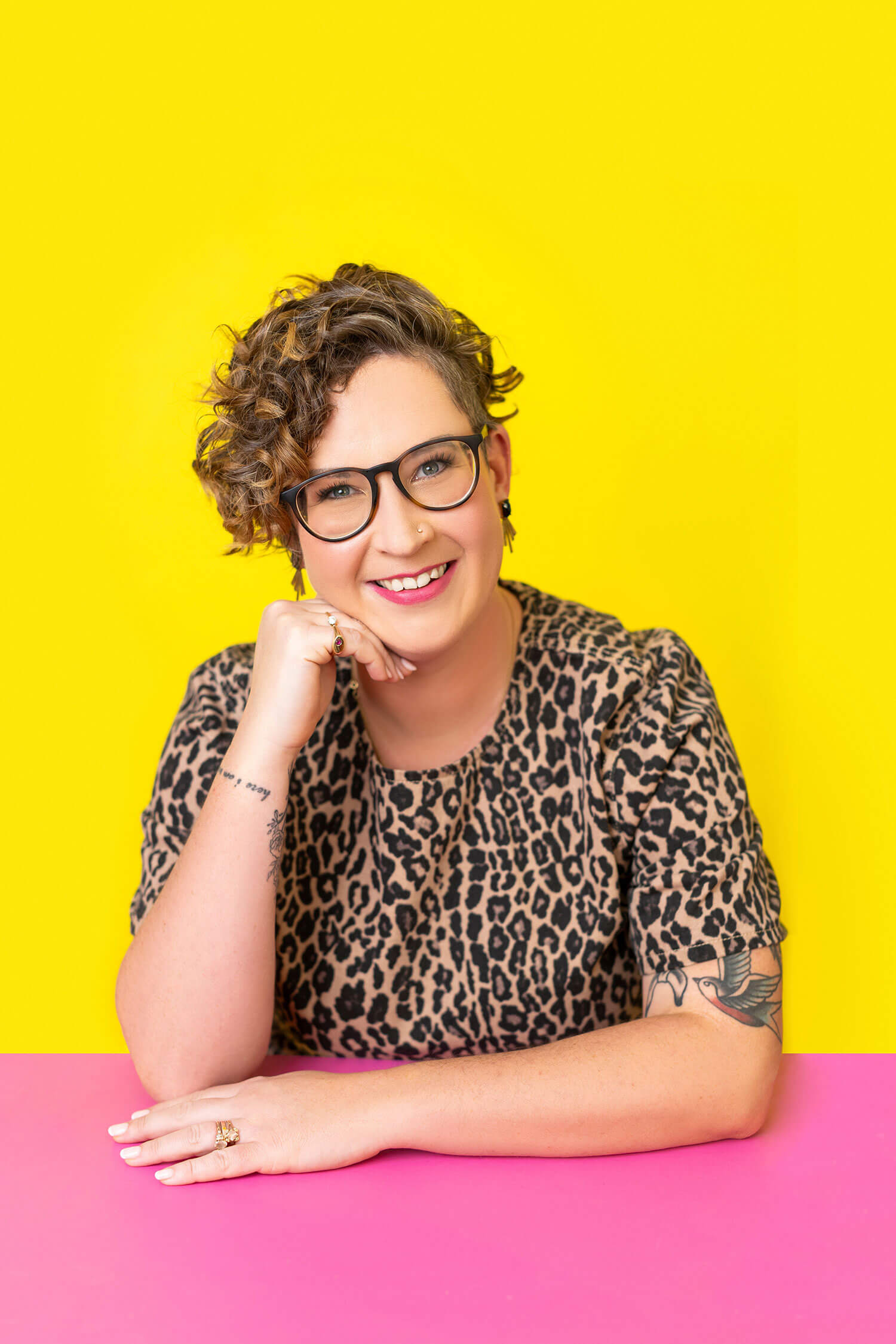
Post-Shoot Editing and Optimisation for Your Business Images
The relief of finishing your photoshoot is brilliant, but then the real work begins. Before you share your gorgeous new images everywhere, let’s tackle the technical aspects.
Editing for Quality
Your photographer will handle initial edits, but understanding the process helps. Most professionals will provide you with edited, ready-to-use images. However, knowing basics like how to resize for different websites, how to design in Canva or understanding professional printing specs can be useful when you need to use those images later.
Optimise for Web Performance
Never upload massive files directly to your website. Google penalises slow-loading sites, so keep images under 500KB. This maintains quality while ensuring speedy loading.
There are plenty of free online tools that can quickly reduce file sizes when needed. For example tinypng.com which is the one I use. This simple step protects your search rankings and keeps visitors happy.
For social media, create a dedicated folder of favourites on your phone and laptop (I also back them up with a copy in Google Drive). Scheduling apps let you plan posts in advance. Different platforms need different crops, so prepare variations of your best shots so it will make your life easier when looking for a quick photo to use with a post.
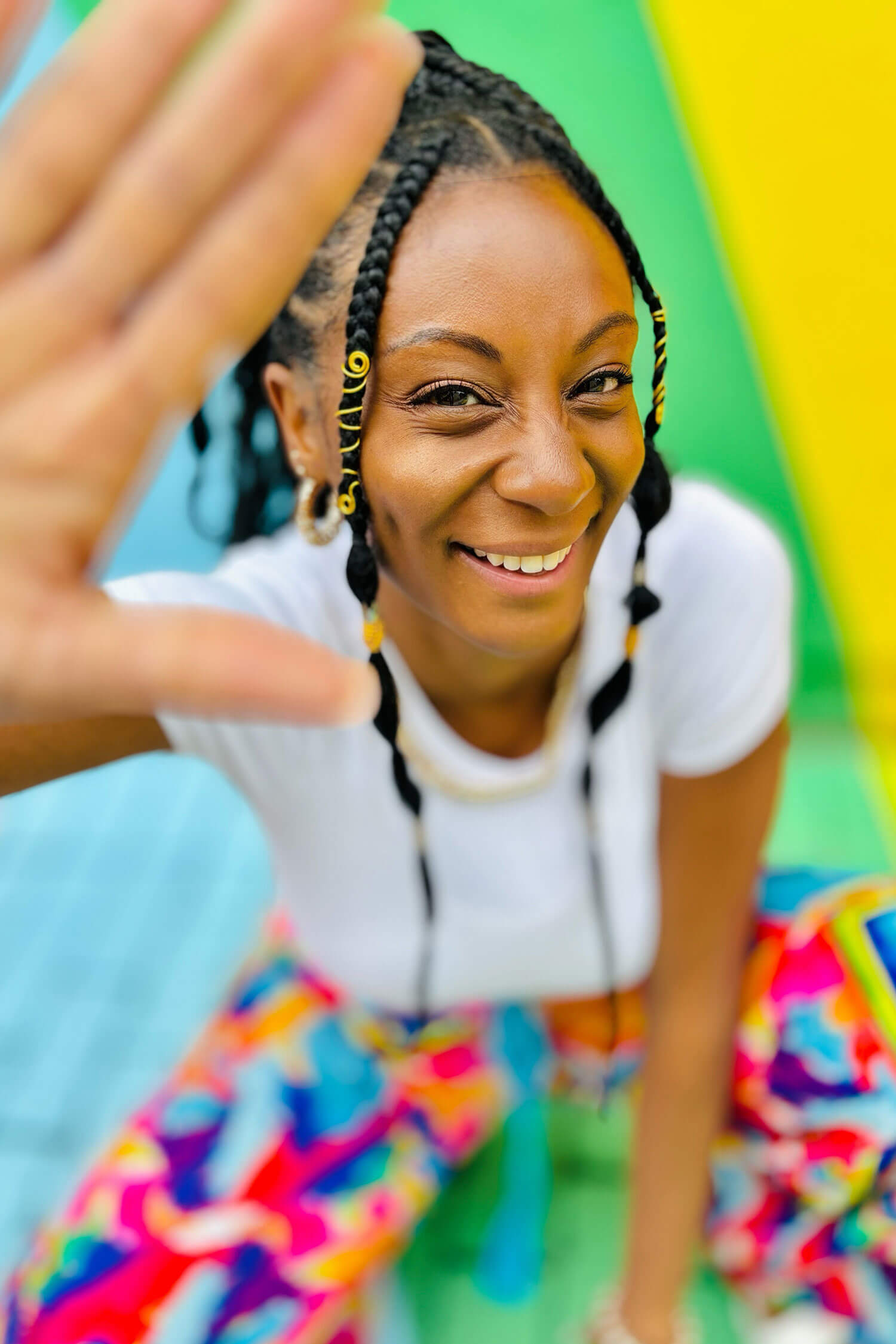
Self Portrait of Aisha Thomas, Founder of Representation Matters and Slay Your Selfies student
Maintaining Fresh Content Between Professional Shoots
Here’s something a lot of people learn the hard way: even with the most amazing business photoshoot, you’ll find yourself needing fresh images sooner than you think. You’ll want to share a behind-the-scenes moment, post about a client success, or capture yourself at an industry event. Professional shoots are typically scheduled quarterly or annually, but your content needs are daily or weekly.
This gap between professional shoots is where many entrepreneurs struggle. You can’t call your photographer every time you need a quick image for a LinkedIn post or want to share something timely on Instagram.
I developed a solution that bridges this gap – a fun online course called Slay Your Selfies for female business owners who want to do their own business photoshoot on their phones. It teaches you how to create professional-looking supplementary content that maintains the same brand consistency as your professional images. You follow the same planning process we’ve discussed throughout this guide: defining your vision, planning your shots, choosing your styling, and understanding lighting.
The difference is you’re capturing these images yourself, in the moment, when opportunities arise. Think of it as having two tools in your kit: your professional photoshoot provides your foundation images – the polished shots for your website, LinkedIn profile, and priority marketing materials. Your phone-captured content provides the timely, fresh material for ongoing engagement.
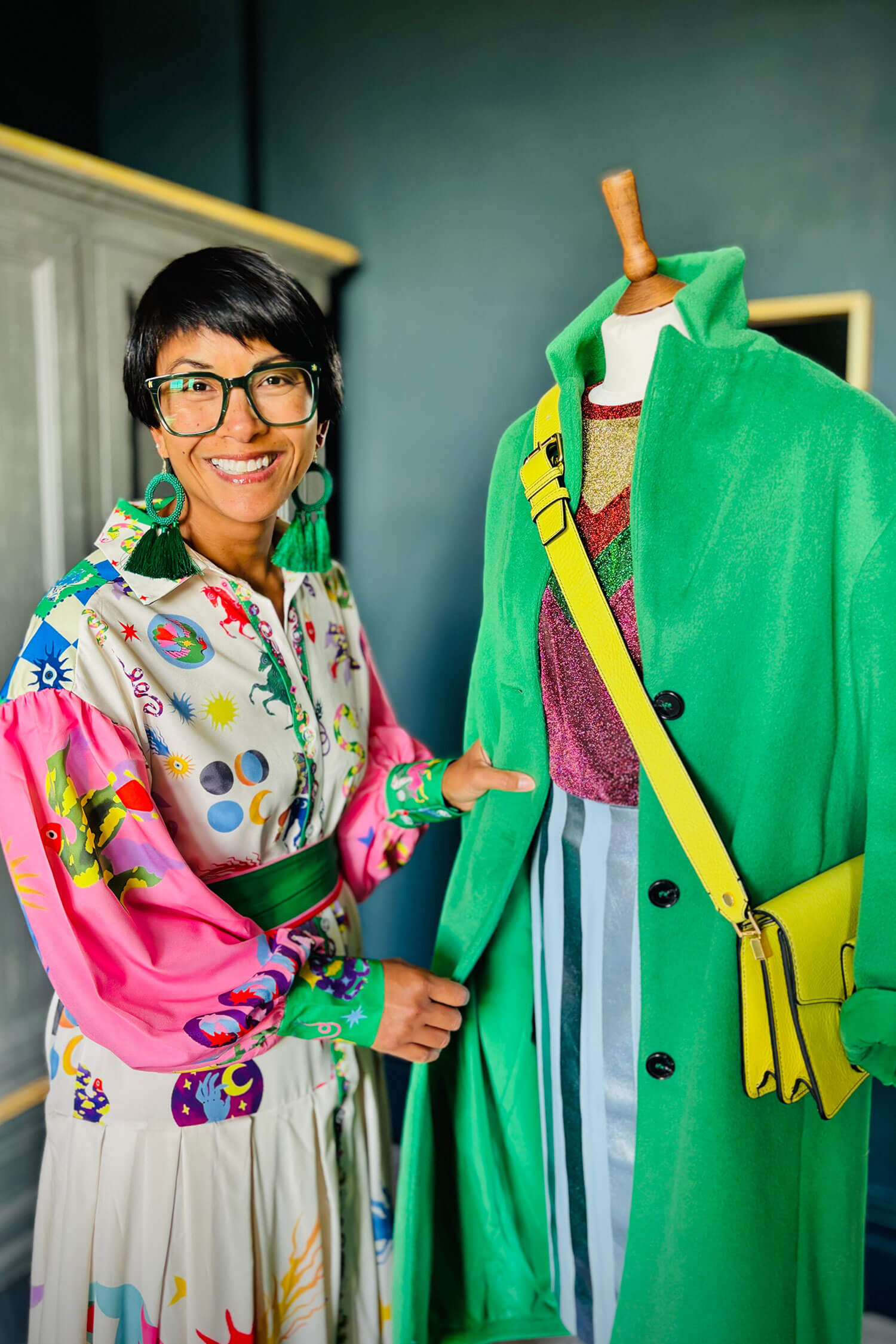
Self-portrait of Personal Stylist Chantelle Znideric
When You Need Supplementary Content
Your DIY skills become invaluable for:
- Spontaneous LinkedIn posts when you’re at an industry event
- Quick behind-the-scenes content for Instagram Stories
- Timely images for PR opportunities that arise unexpectedly
- Fresh content for weekly social media posts
- Professional-looking photos to share from client meetings
- Real-time updates about your work or projects
- Client testimonial posts with current, relevant imagery
Having both professional images and the ability to create quality supplementary content means you’re never scrambling or missing marketing opportunities.
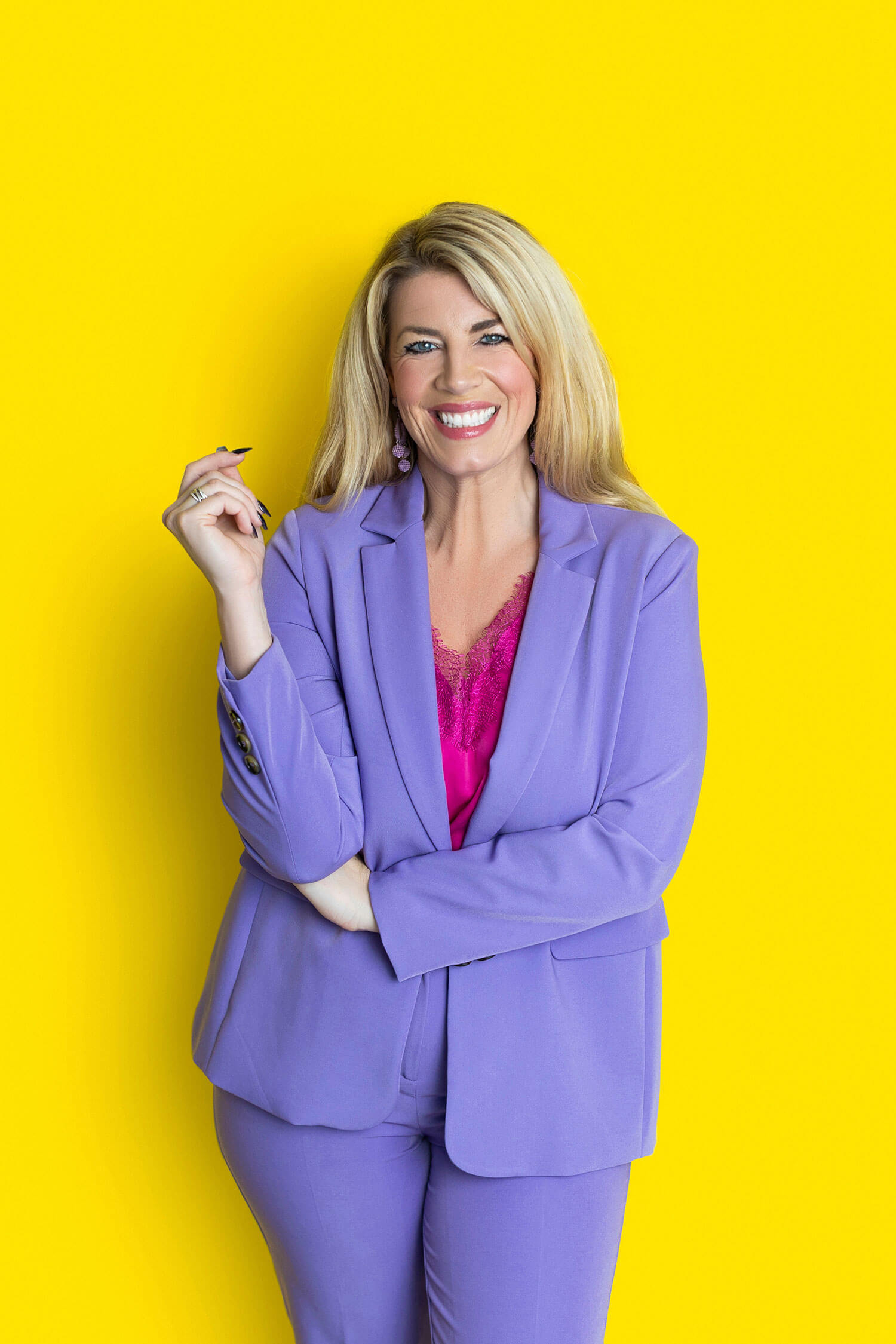
Business photoshoot with Coach Laura Brunton by me Rosie Parsons
Final Thoughts on Planning Your Next Business Photoshoot!
Looking back at my own branding sessions over the years, I can honestly say they’ve transformed how I show up online and revolutionised how easy it is for me to create new lead magnets and other marketing collateral. And I’ve watched this same transformation happen for countless clients. This checklist gives you the elements you need to think about to create images that truly represent your brand, whether you’re booking a professional shoot or planning your own self-portrait sessions.
If it feels overwhelming, remember that authenticity beats perfection every time. Your personal branding should reflect the real you, not some impossible ideal. I follow this same advice for my own photos – even as a brand photographer, I still get a bit goofy in front of the camera and can be self critical, so it’s a learning process for us all!

Self portrait of Psychotherapist and Slay Your Selfies student Emma Redfern
Make the Most of Your Investment in your Business Photoshoot
When you invest in a professional business photoshoot, you’re creating the foundation of your visual brand. Quality business portrait photography establishes your credibility – your website hero image, your LinkedIn profile, your media kit, your marketing materials. Having great photos for these is worth every penny.
But between those professional sessions, life and business continue. You’ll attend events, meet clients, launch new offerings, and share your expertise. You’ll need images that keep your content fresh and relevant without breaking the bank or waiting months for your next scheduled shoot.
Consider packages with your photographer that include multiple sessions throughout the year as you grow and evolve. And in between, develop the skills to supplement those professional images with your own high-quality content that maintains your brand’s visual consistency – learn how in Slay Your Selfies.
Ready to book your business photoshoot? Take your checklist of must-take shots with you, communicate clearly with your photographer, and trust the process. You might even enjoy having your picture taken! I’d love to hear how you get on!
Helpful Links:
DIY brand photography course: Slay Your Selfies
Recommended Product Photographer: Hiya Marianne
Recommended Brand Designer: Lloyd Creative
Image compression for web: TinyPNG
Follow me for more photo ideas on Pinterest